Technical Overview
Process Name: Vacuum Molding / Lost Foam Casting
Typical Part Size: Medium to large cast parts
Typical Part Weight: Based on drawing review
Materials: Gray iron, ductile iron, cast steel, selected alloy cast iron
Production Support: Tooling, casting, heat treatment, machining
Application: Automotive, machinery, tooling, industrial equipment
Customization: OEM based on drawings or samples
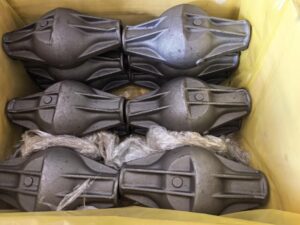
We specialize in large and complex metal parts such as rear axle housings, machine structures, and custom industrial components. Send us your drawing and we will evaluate the most suitable casting process for your project.
What Is Vacuum Molding and Lost Foam Casting?
What Are Vacuum Molding and Lost Foam Casting?
Vacuum molding, also known as the V-process, and lost foam casting are two different metal casting processes. Both may use dry sand and vacuum assistance, but their patterns and mould-forming methods are not the same.
Vacuum Molding / V-Process Casting
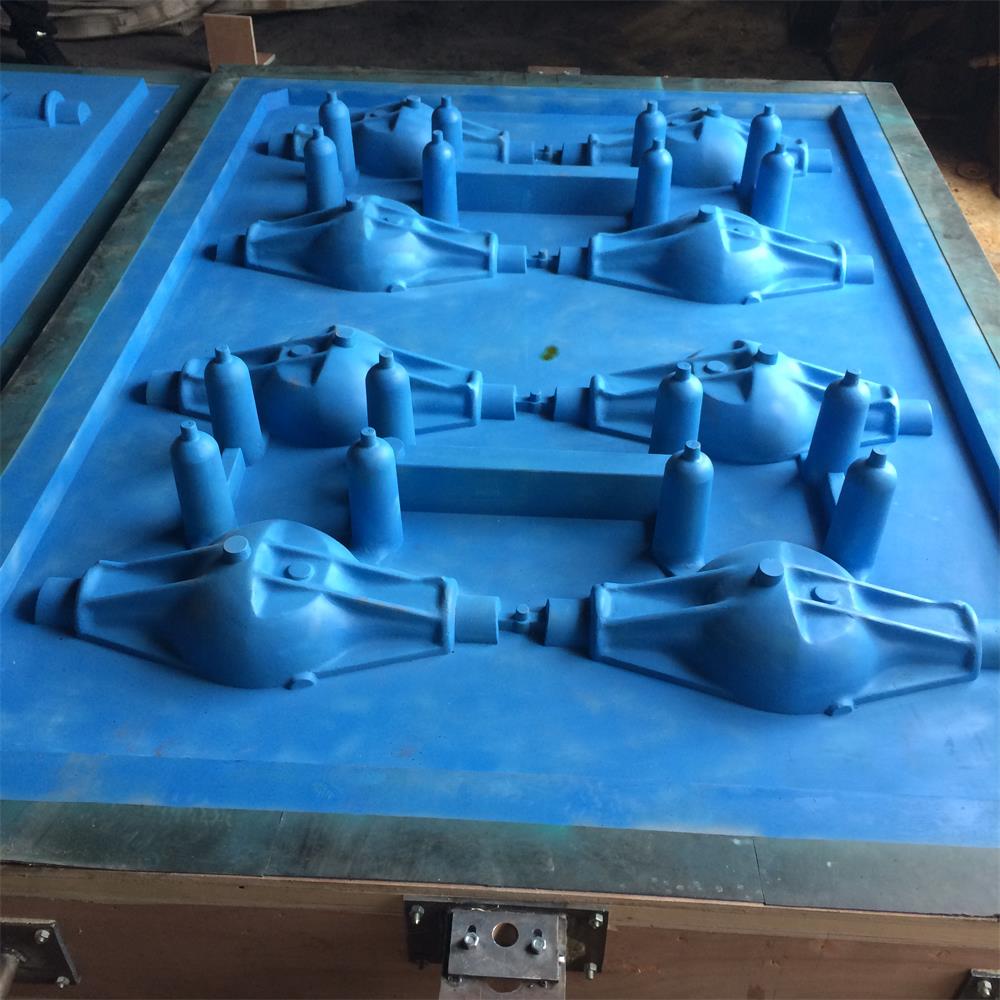
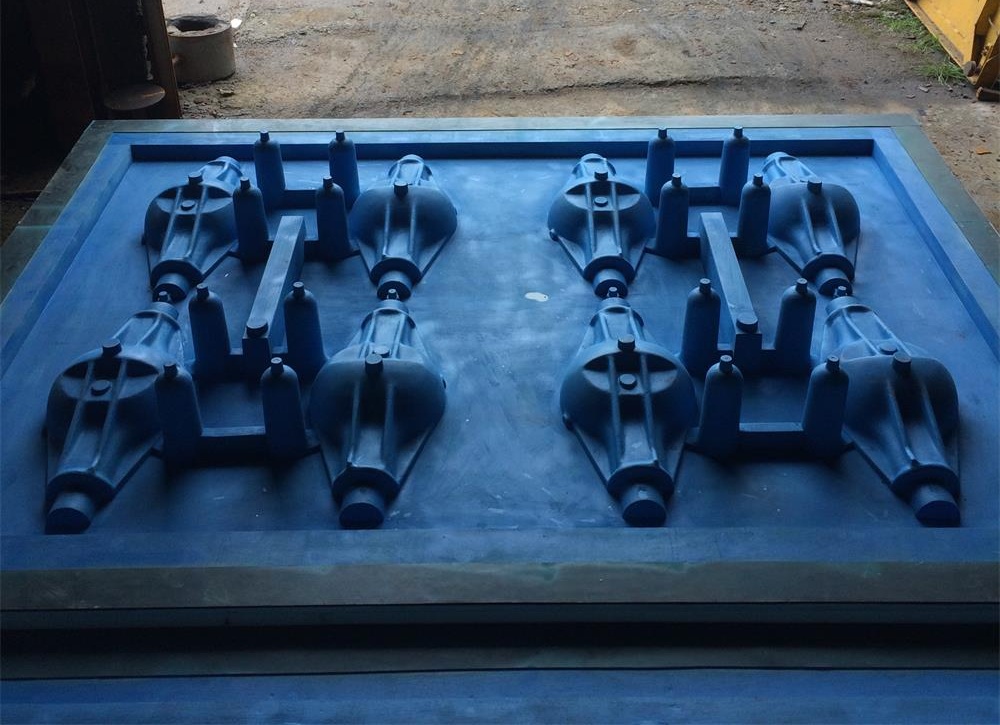
In vacuum molding, a heated plastic film is formed over a reusable pattern. Dry sand is filled into the flask, and vacuum pressure holds the sand and film in position to create the mould cavity. The reusable pattern is removed before molten metal is poured.
Lost Foam Casting
Lost foam casting uses an expendable foam pattern corresponding to the required casting shape. The foam pattern is coated, placed in dry sand, and surrounded by compacted sand. During pouring, the molten metal replaces the foam pattern and forms the casting.
Both processes may be considered for suitable cast iron and cast steel components, including automotive housings, machinery structures, tooling parts, and other medium-to-large custom castings.
The suitable route depends on the part geometry, material, casting weight, annual quantity, tolerance, surface requirements, machining allowance, and foundry conditions.
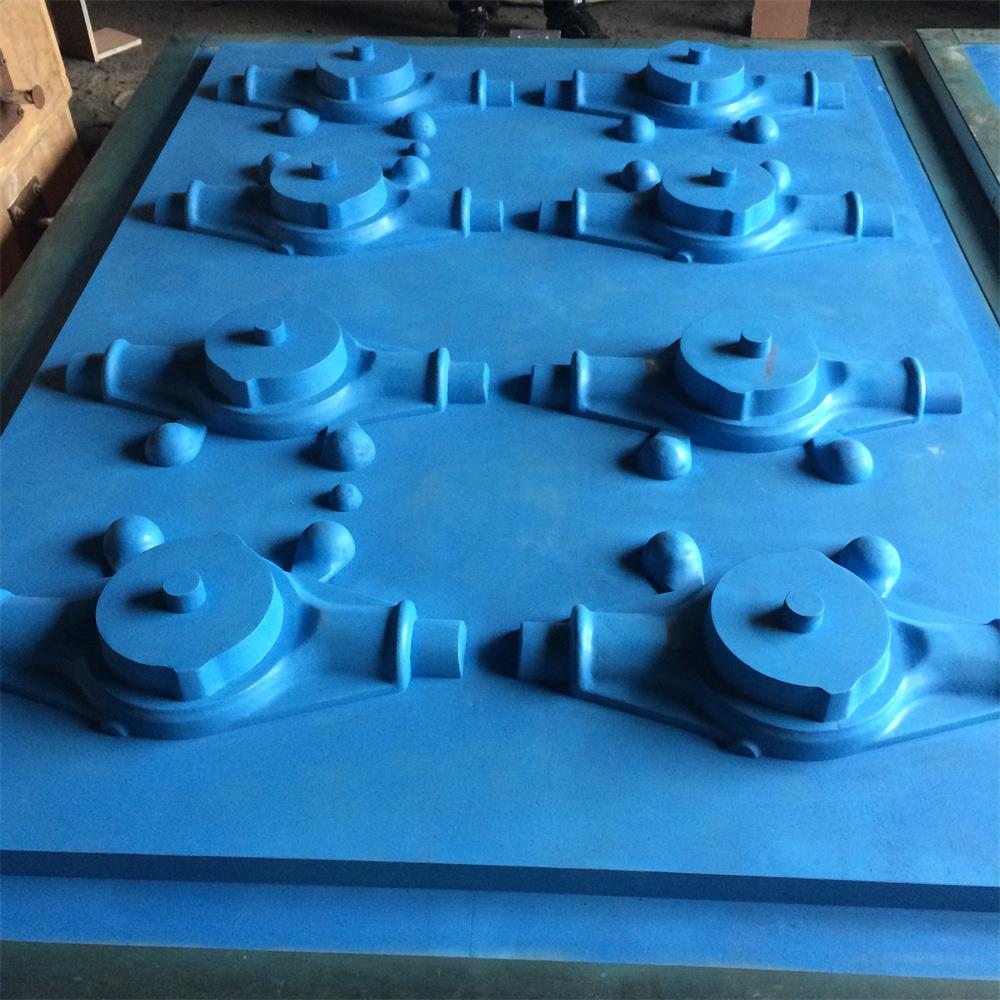
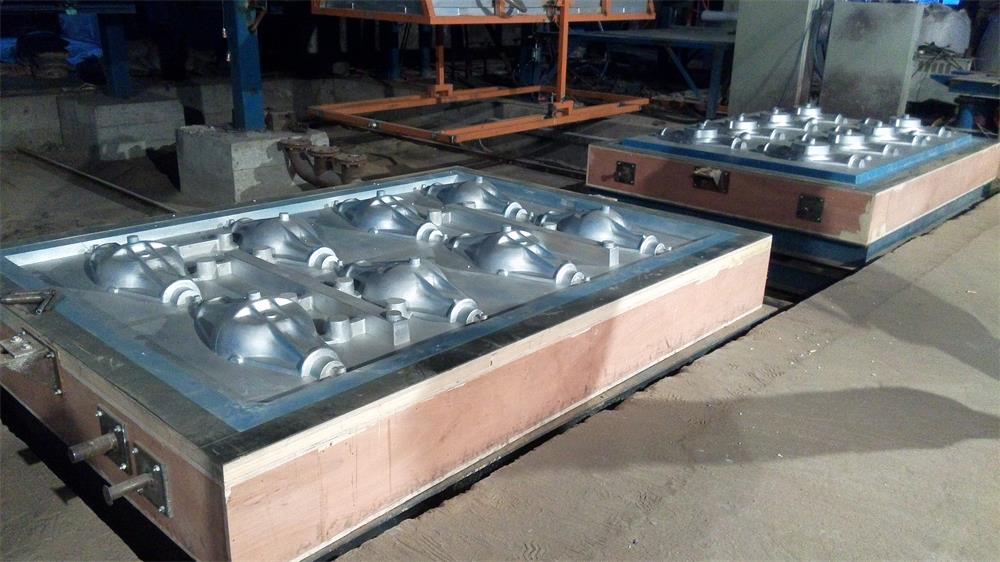
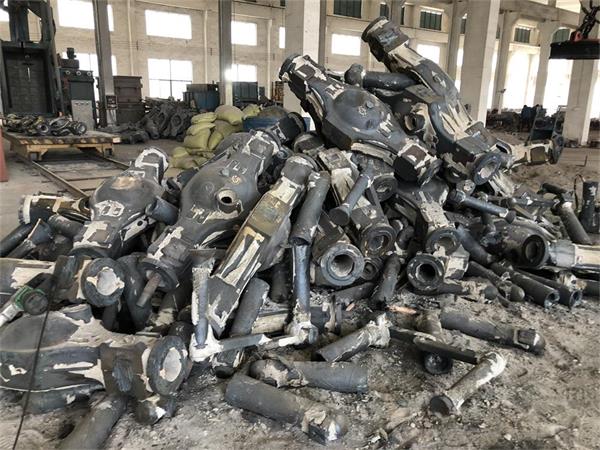
For customers who also need downstream operations, we can provide a more complete supply solution covering casting, heat treatment, machining, and delivery.
Compared with traditional casting methods such as sand casting, vacuum molding and lost foam casting can offer better molding consistency for certain large parts. You can also review our
👉 sand casting service
https://ytcasting.com/metal-casting-process/sand-casting/
For smaller components requiring finer details, tighter tolerances, and smoother surface quality, custom investment casting parts manufacturing may be a more suitable production route.
When to Choose Vacuum Molding or Lost Foam Casting
Vacuum molding or lost foam casting may be considered when a part has one or more of the following characteristics:
- Large overall dimensions or heavy casting weight
- Complex external or integrated structural geometry suitable for the selected moulding method
- Need for stable repeatability in batch production
- Cast iron or cast steel material requirements
- Need to reduce excessive manual molding variation
- Need a one-stop supplier for casting plus machining
Compared with some conventional casting routes, these processes can offer better molding consistency for suitable products, especially for large industrial parts where process stability matters as much as raw casting cost.
If your part is a large structural component or automotive casting, this process is often a practical solution. For example, components like rear axle housings are frequently produced using lost foam casting in real industrial applications.
For large structural components that are not suitable for precision casting, processes like sand casting or lost foam casting are typically more practical solutions depending on geometry and batch size.
If you are comparing different casting methods, you can also read our detailed guide on lost foam casting vs sand casting.
Our Manufacturing Capability
We support custom vacuum molding and lost foam casting for a wide range of industrial applications.
Our capability includes:
- Vacuum molding for suitable medium-to-large castings requiring reusable patterns and dry-sand moulding
- Lost foam casting for suitable medium-to-large components with integrated or complex structures
- Cast iron, ductile iron, and cast steel production
- Drawing and manufacturing-process review before quotation
- Support for heat treatment and CNC machining
- Inspection, packing, and export-project follow-up
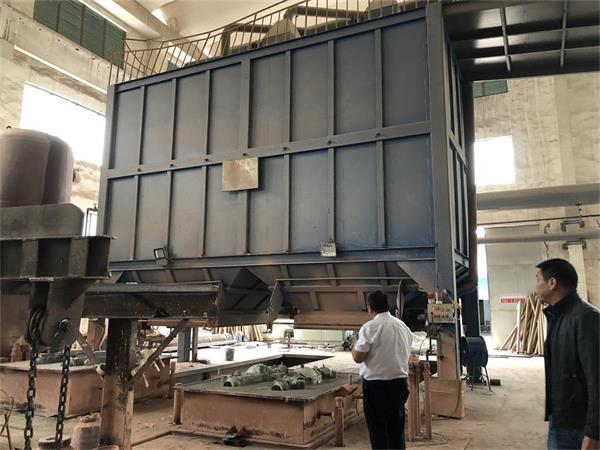
We review each project based on drawing complexity, casting structure, target material, machining allowance, and order quantity before recommending the most suitable production route.
In addition to casting, we also provide machining support for finished parts. You can learn more about our
👉 CNC machining service for custom metal parts
https://ytcasting.com/metal-casting-process/cnc-machining-for-large-parts/
For projects requiring casting, heat treatment, CNC machining, dimensional inspection, and surface finishing, explore our custom precision metal parts manufacturing capabilities.
This allows us to deliver semi-finished or fully machined components based on customer requirements.
Typical Materials
We can support a range of commonly used casting grades for vacuum molding and lost foam casting projects, including:
- Gray iron
- Ductile iron
- Cast steel
- Selected wear-resistant and alloy cast iron grades
If your project has a specific material designation, mechanical property target, or application environment, send us the drawing and technical requirements. We will review whether vacuum molding or lost foam casting is appropriate before quotation.
Material selection also plays an important role in choosing the right casting process. For more complex geometries with tighter tolerances,
👉 precision investment casting
https://ytcasting.com/metal-casting-process/precision-investment-casting/
may be considered as an alternative solution.
Typical Applications
These processes are commonly used for large and medium-sized custom parts such as:
- Automotive structural castings
- Rear axle housings
- Transmission housings
- Cylinder-related cast components
- Machine tool beds and tables
- Heavy equipment structural castings
- Industrial machinery housings and frames
- Tooling-related cast components
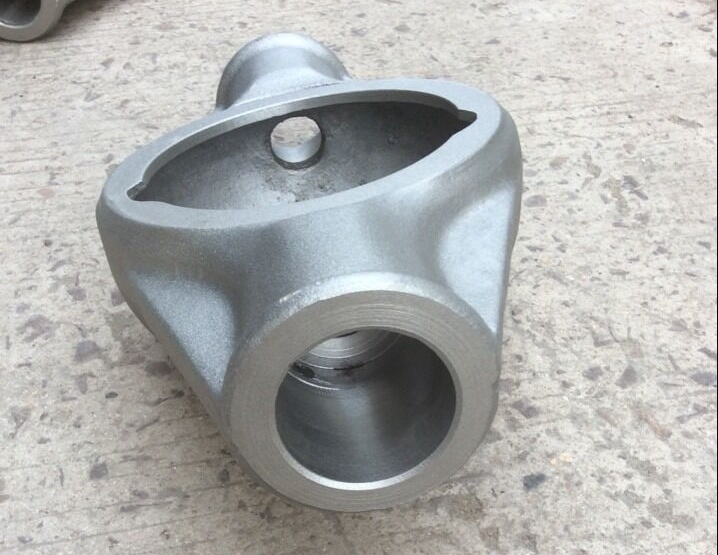
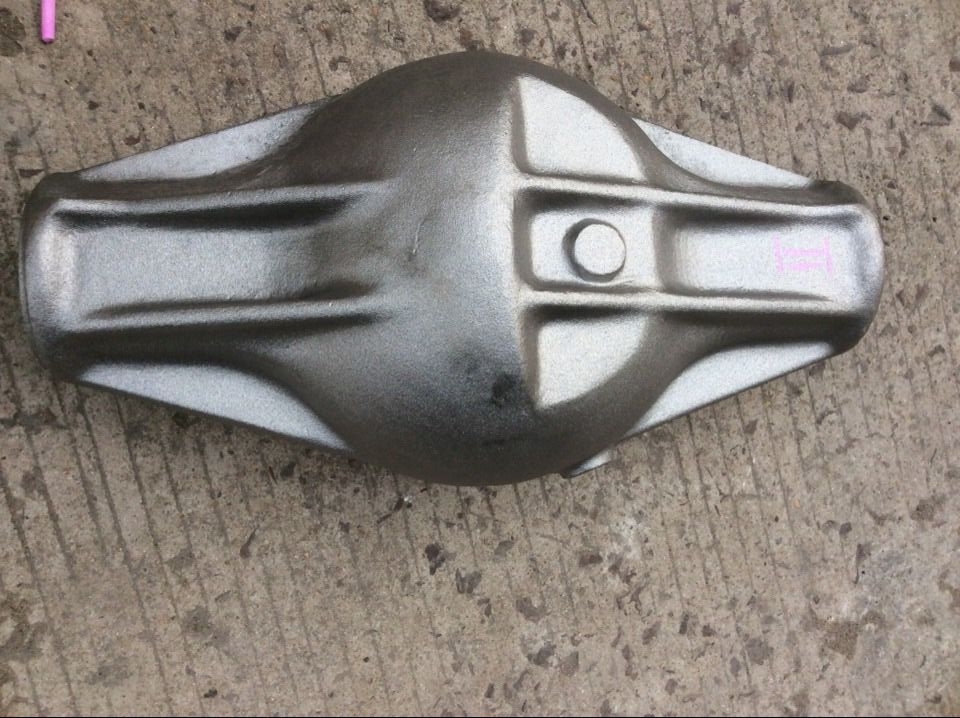
For medium-to-large components that are not suitable for investment casting, vacuum molding, lost foam casting, or conventional sand casting may be evaluated according to the geometry, material, quantity, tooling, tolerance, and total production cost.
For example, large automotive components such as rear axle housings are commonly produced using lost foam casting. You can check one of our actual projects here:
👉 rear axle housing casting project
For tooling-related applications, we have also produced vacuum casting moulds for automotive parts using this process, which you can view here:
👉 vacuum casting mould for auto parts
From Drawing Review to Finished Parts
Our normal workflow is straightforward:
- Receive your drawing, sample, or technical requirement
- Review material, structure, weight, and production feasibility
- Recommend the suitable casting route
- Confirm tooling and unit price
- Arrange sample or production
- Provide machining, inspection, and shipment support if needed
For OEM industrial parts, early engineering review is very important. A suitable casting process can reduce unnecessary cost, improve manufacturability, and shorten the overall project cycle.
We have supported multiple custom projects based on customer drawings, including automotive structural parts and mould components. You can review some real cases such as:
👉 rear axle housing casting project
https://ytcasting.com/rear-axle/
👉 vacuum casting mould for auto parts
https://ytcasting.com/vacuum-casting-mould-for-auto-parts/
Why Work With Yutung Industrial
Customers choose us not only for casting supply, but also for practical engineering communication and export project support.
What we focus on:
- Drawing-based OEM manufacturing
- Process recommendation based on real production conditions
- Support for large cast parts
- Integrated casting and machining supply
- Experience with custom industrial components for overseas customers
- Clear communication during quotation and production
We understand that many custom-cast parts are not standard catalogue items. That is why we focus on project evaluation first, then recommend the process that fits your part, instead of forcing every inquiry into one fixed production route.
For projects that may involve casting, machining, forging, stamping, plastic, or rubber production, view our broader custom industrial parts manufacturing capabilities.
If your project requires high precision instead of large structural casting, you may also consider our
👉 precision investment casting service
https://ytcasting.com/metal-casting-process/precision-investment-casting/
Send Us Your Drawing for Review
If you are developing a large cast iron or cast steel component, send us your drawing, weight, material requirements, and estimated quantity.
Our team can review whether vacuum molding or lost foam casting is suitable for your project and provide feedback on manufacturability, tooling, and quotation direction.