Custom plastic part manufacturing:
The choice of plastic moulding depends mainly on the type of plastic (thermoplastic or thermoset), the starting form, and the shape and size of the product. Custom plastic manufacturing standard methods for processing thermoplastics include extrusion, injection moulding, calendering, blow moulding, and thermoforming. Thermosetting plastics are generally moulded, transfer moulded, and injection moulded. Plastic moulding is making plastics of various shapes (powders, granules, solutions and dispersions) into desired shapes of products or blanks. There are up to 30 types of moulding methods. Lamination, moulding and thermoforming are plastic mouldings in a plane. The above plastic processing methods can be used for rubber processing. In addition, there are castings using liquid monomers or polymers as raw materials. Among these methods, extrusion moulding and injection moulding are used most often and are also the most basic moulding methods.
If you are still comparing plastic processing methods or considering a different production route, review our complete manufacturing processes, including injection molding, extrusion, rotational molding, compression molding, casting, machining, and other custom manufacturing options.
Plastic moulding and manufacturing/Process plastic have a lot of processes, like blow moulding, compression moulding, extrusion moulding, injection moulding, rotational moulding, and multi-material injection moulding.
Custom Plastic Manufacturing Processing
Custom Plastic Manufacturing Ingredients
The raw materials used in custom plastic manufacturing processing and polymers generally include various plastic additives (stabilizers, plasticizers, colourants, lubricants, reinforcing agents, fillers, etc.) to improve the moulding process and the use of products. The performance or reduce the cost of the product. Additives and polymers are mixed and uniformly dispersed into powders, also known as dry mixes. Sometimes the powder must be plastically processed into pellets. The powders and granules are collectively called batch materials or moulding compounds.
Custom Plastic Manufacturing Moulding
The critical link in custom plastic manufacturing processing. Various forms of plastics (powders, pellets, solutions or dispersions) are made into the desired shape of the article or blank. There are up to 30 types of moulding methods. Its choice mainly depends on the type of plastic (thermoplastic or thermosetting), the starting form and the shape and size of the product. Standard methods for processing thermoplastics include extrusion, injection moulding, calendering, blow moulding, and thermoforming. Thermosetting plastics are generally moulded, transfer moulded, and injection moulded. Lamination, moulding and thermoforming are plastic mouldings in a plane. The above plastic processing methods can be used for rubber processing. In addition, there are castings using liquid monomers or polymers as raw materials. Among these methods, extrusion moulding and injection moulding are used most often and are also the most basic moulding methods.
Custom Plastic Manufacturing Joints
The method of joining plastic parts is welding and bonding. The welding method is hot air welding using electrodes, hot-melt welding using hot electrodes, high-frequency welding, friction welding, induction welding, ultrasonic welding, and the like. The bonding method can be divided into flux, resin solution and hot melt adhesive according to the adhesive used.
Custom Plastic Manufacturing Assembly
The plastic parts are assembled into a complete product by bonding, welding, and mechanical joining. For example, plastic profiles are assembled into plastic window frames and doors through steps such as sawing, welding, and drilling.
We mainly have four processes for custom plastic manufacturing:
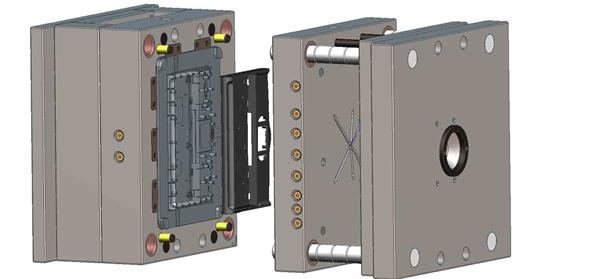
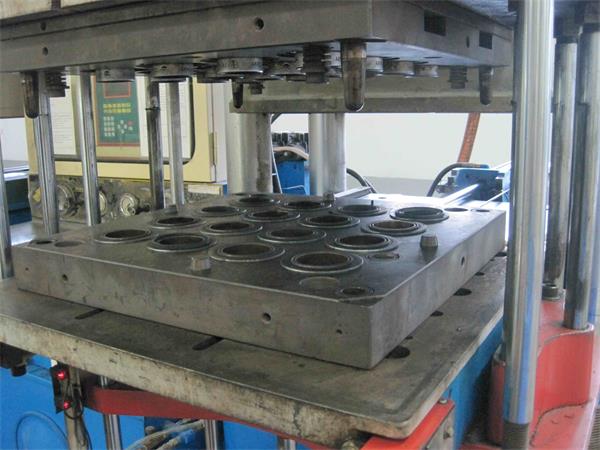
Compression Moulding
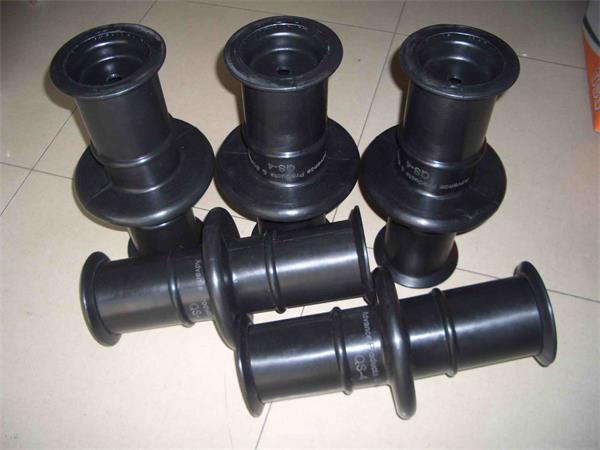
Rotational Moulding

Injection Moulding
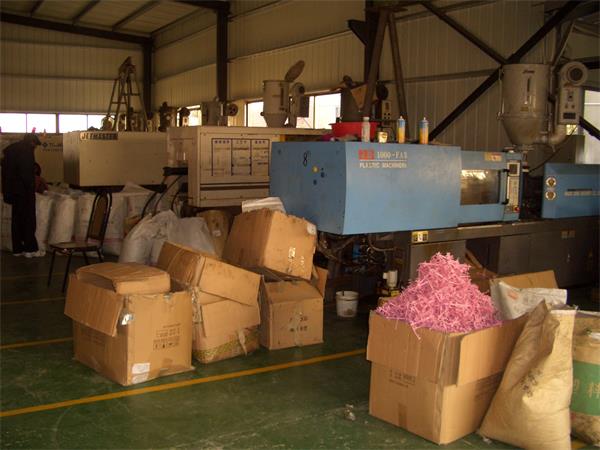
For custom thermoplastic parts requiring complex shapes, stable dimensions, repeatable quality, and efficient batch production, explore our custom plastic injection molding capabilities.
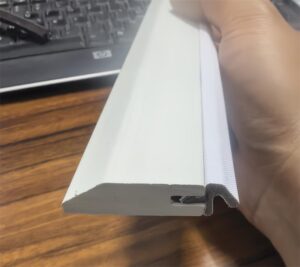
PVC Profile Extruding
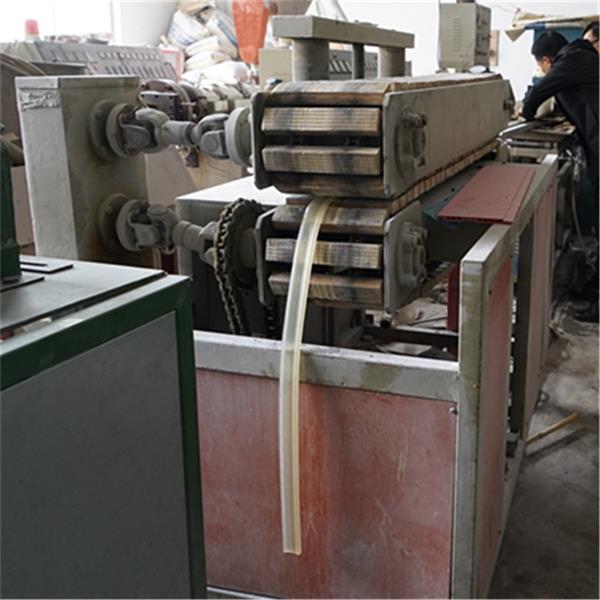
For rigid PVC, soft PVC, and soft-rigid co-extruded profiles used in windows, doors, sealing systems, protective covers, and industrial applications, explore our custom PVC extrusion profile manufacturing capabilities.
For OEM projects involving plastic parts together with metal components, rubber parts, machining, assembly, or multi-process production, view our broader custom industrial parts manufacturing capabilities.