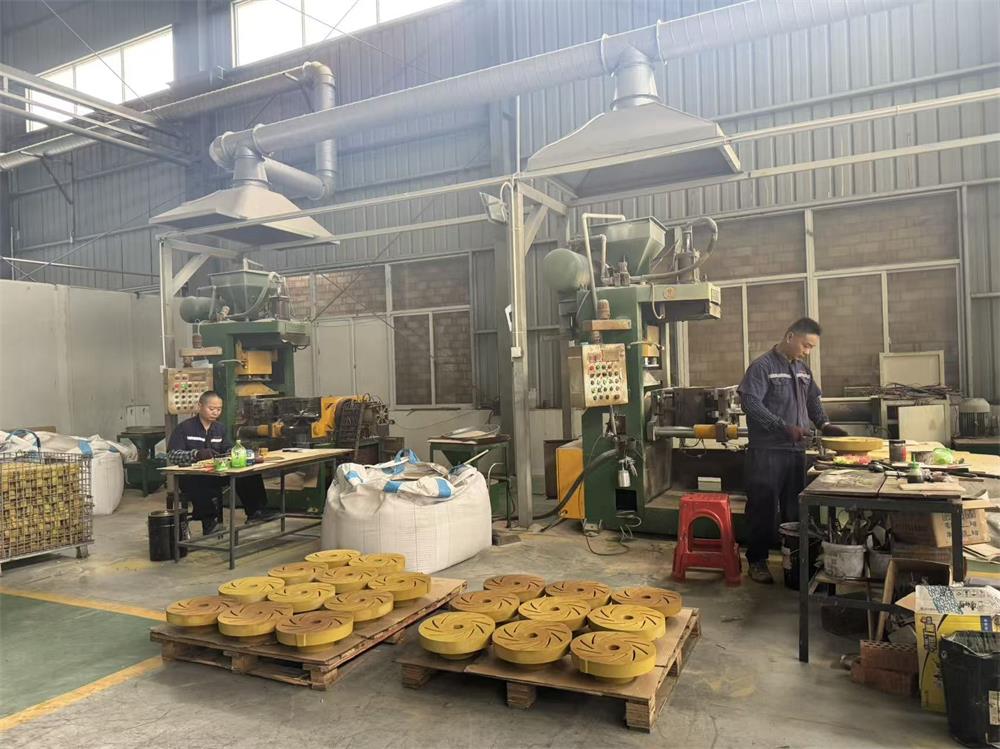
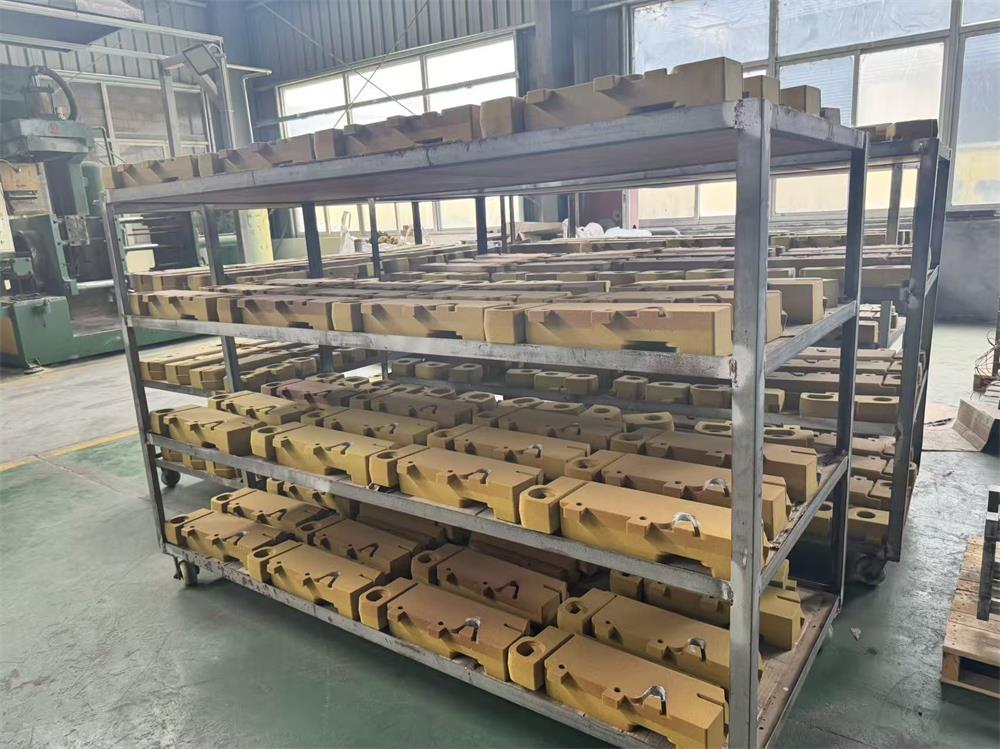
Custom aluminum castings manufactured from drawings, samples, 3D files or existing parts using sand casting, gravity die casting, low-pressure casting and high-pressure die casting.
From tooling and casting to CNC machining, heat treatment, surface finishing and dimensional inspection, we manufacture aluminum components according to part structure, wall thickness, production quantity, performance requirements and tooling budget.
Sand Casting / Gravity Die Casting / Low-Pressure Casting / High-Pressure Die Casting
Aluminum Casting Alloys / Customer-Specified Grades
CNC Machining / Heat Treatment / Surface Finishing
Samples / Small Batches / Volume Production
We manufacture custom aluminum castings from drawings, samples, 3D files or existing parts. Sand casting, gravity die casting, low-pressure casting and high-pressure die casting are selected according to part structure, wall thickness, dimensional requirements, internal quality, surface finish, production quantity and tooling budget.
Aluminum castings can be supplied as raw castings or as finished components with CNC machining, heat treatment, surface finishing and final inspection according to project requirements.


Different aluminum casting processes involve different tooling costs, production volumes, filling methods, surface quality and part-design capabilities. We evaluate each project before recommending sand casting, gravity die casting, low-pressure casting or high-pressure die casting.
A practical choice for prototype development, low-volume orders and projects where tooling cost needs to be controlled.
Our main process for repeat production of aluminum housings, covers, pump components and other industrial castings requiring stable dimensions and good surface quality.
Recommended for larger castings, housings and components requiring improved internal quality, stable mold filling and better pressure tightness.
Best suited to high-volume components with thin walls, complex external geometry and stable product designs.
| Factor | Sand Casting | Gravity Die Casting | Low-Pressure Casting | High-Pressure Die Casting |
|---|---|---|---|---|
| Tooling Cost | Low | Medium | Medium to High | High |
| Suitable Quantity | Prototype to Small Batch | Medium to Large Batch | Medium to Large Batch | High Volume |
| Surface Finish | Standard / Rougher | Good | Good | Very Good |
| Dimensional Stability | Standard | Good | Good | Very Good |
| Pressure Tightness | Limited | Good | Very Good | Limited |
| Part Size | Small to Large | Small to Medium | Medium to Large | Small to Medium |
| Wall Thickness | Flexible / Thicker | Medium / Thick | Medium / Thick | Thin / Medium |
| Design Changes | Easier | Limited after tooling | Limited after tooling | Difficult after tooling |
| Typical Use | Prototypes and custom parts | Housings and industrial parts | Large housings and pressure-tight parts | High-volume thin-wall components |
Final process selection depends on part geometry, annual quantity, alloy, mechanical requirements, dimensional tolerances, pressure-tightness requirements, heat-treatment requirements, surface finish and tooling budget.
The appropriate aluminum casting process depends on part size, wall thickness, internal cavities, annual quantity, pressure-tightness requirements, heat-treatment requirements, surface finish, dimensional tolerance and tooling budget.
Send us your drawing, 3D file or sample, and we will evaluate the part structure before recommending sand casting, gravity die casting, low-pressure casting or high-pressure die casting.
Depending on the part structure, dedicated metal molds, core boxes and sand cores are developed to form external geometry, internal cavities and flow passages.
Tooling design considers casting shrinkage, draft angles, machining allowances, core positioning and expected production quantity.
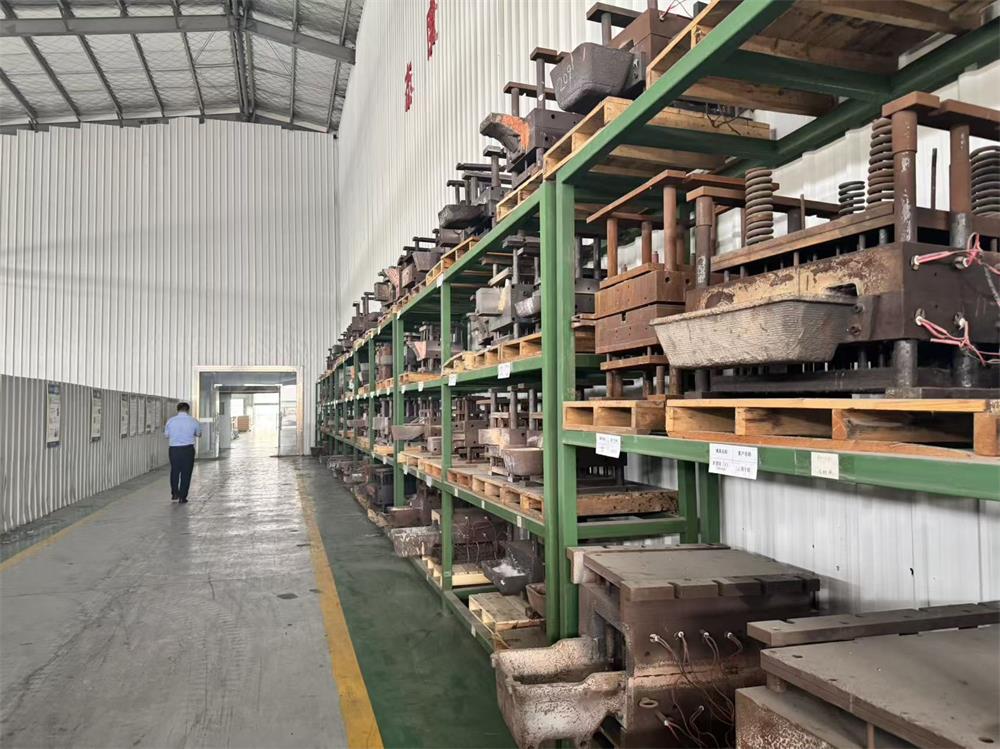
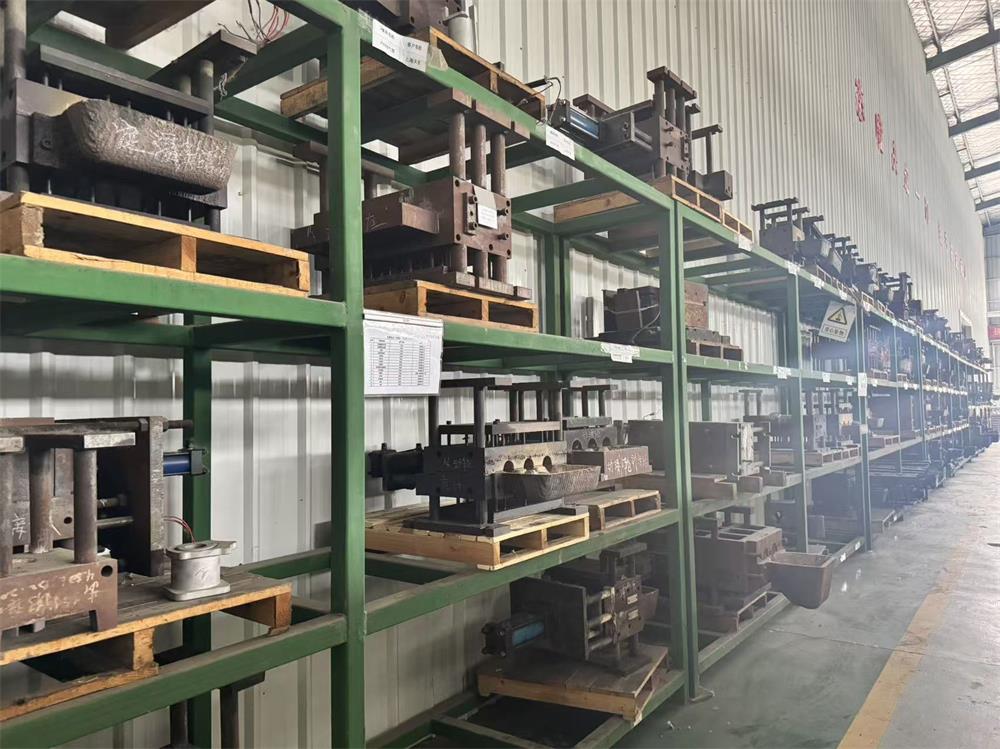
Tooling is identified, stored and maintained for repeat orders. Before each production run, molds and related tooling are checked and prepared to support dimensional consistency and stable production.
Aluminum alloy selection depends on the casting process, mechanical properties, pressure-tightness requirements, corrosion resistance, heat-treatment requirements and end-use conditions. We can evaluate customer-specified alloy grades or recommend suitable casting alloys according to the drawing, application and production process.
Aluminum-silicon casting alloys are commonly selected for sand casting because of their good fluidity, low shrinkage and resistance to hot cracking.
Al-Si casting alloys are commonly used for gravity die casting. Higher-strength, heat-resistant or corrosion-resistant grades can be evaluated according to the application.
A356 and ZL101A are commonly preferred for low-pressure casting because of their balanced castability, mechanical properties and heat-treatment capability.
High-fluidity die-casting alloys are commonly selected for thin-wall parts, complex external geometries and high-volume production. ADC12 is one of the most widely used aluminum die-casting grades.
Aluminum castings can be supplied as raw castings or with secondary processing according to dimensional, mechanical, corrosion-resistance and appearance requirements. Available services include CNC machining, suitable heat-treatment processes, surface preparation, coating and dimensional inspection.
Machining allowances and datum positions are evaluated during tooling and casting-process development.
T6 heat treatment is commonly available for suitable sand, gravity and low-pressure cast alloys, but is generally not recommended for conventional high-pressure die castings.
The preparation method is selected according to casting size, surface condition and the required final finish.
Surface finishing can improve corrosion resistance, appearance and compatibility with the final assembly environment.
We review the drawing, 3D file, sample or existing part, including part geometry, wall thickness, internal cavities, tolerance, quantity and application requirements.
Sand casting, gravity die casting, low-pressure casting or high-pressure die casting is selected together with a suitable aluminum alloy.
Metal molds, patterns, core boxes and sand cores are developed according to the casting process, part structure and expected production quantity.
Trial castings are produced for dimensional inspection, appearance review, machining verification and customer approval where required.
Aluminum alloy is melted and poured or injected using the selected sand, gravity, low-pressure or high-pressure casting process.
Gates, risers, flash and casting residue are removed, followed by deburring, shot blasting, sand blasting or other required preparation.
CNC machining, heat treatment and surface finishing are completed as specified, followed by dimensional and visual inspection.
Approved castings are cleaned, protected, packed and prepared for shipment according to part size, finish and transportation requirements.
From process selection and tooling development to casting, CNC machining and final inspection, we support custom aluminum casting projects according to your drawing, sample, 3D file or existing part. Send us your project information for process evaluation and quotation.
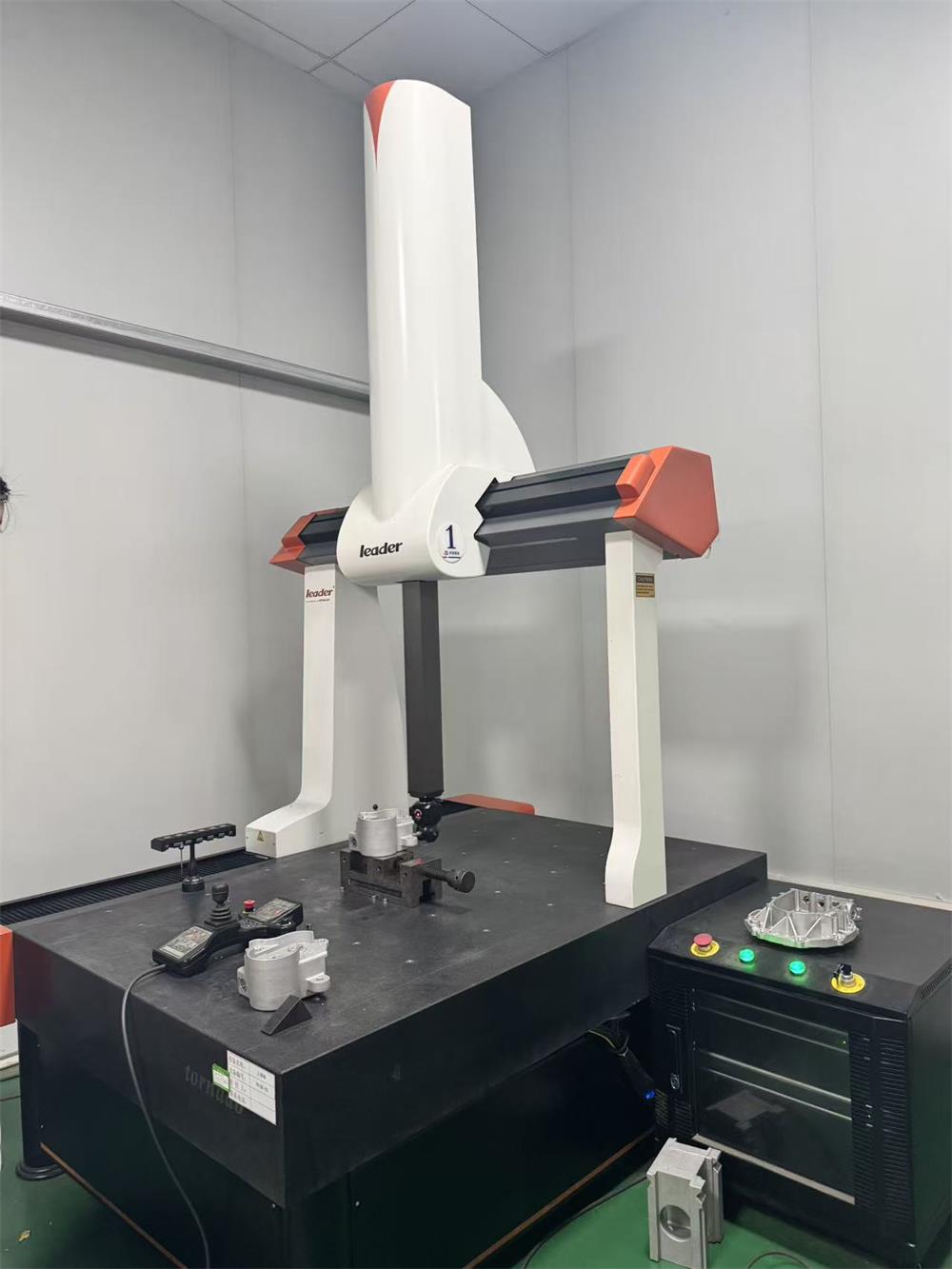
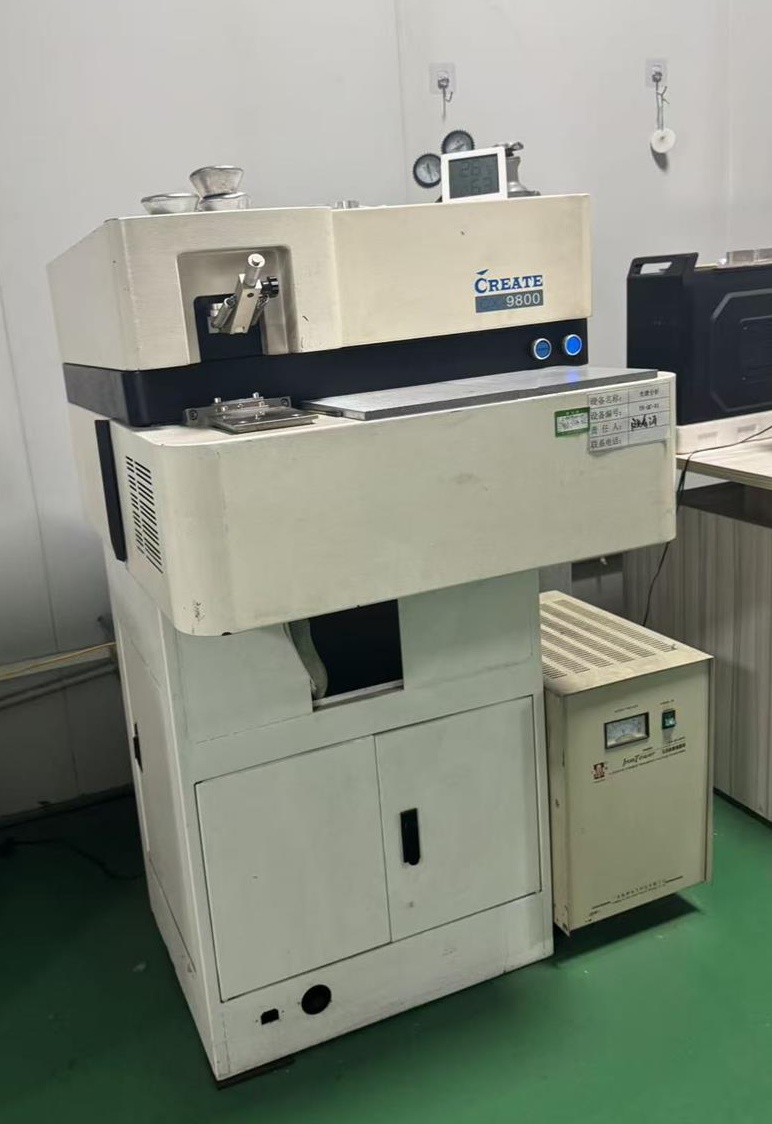
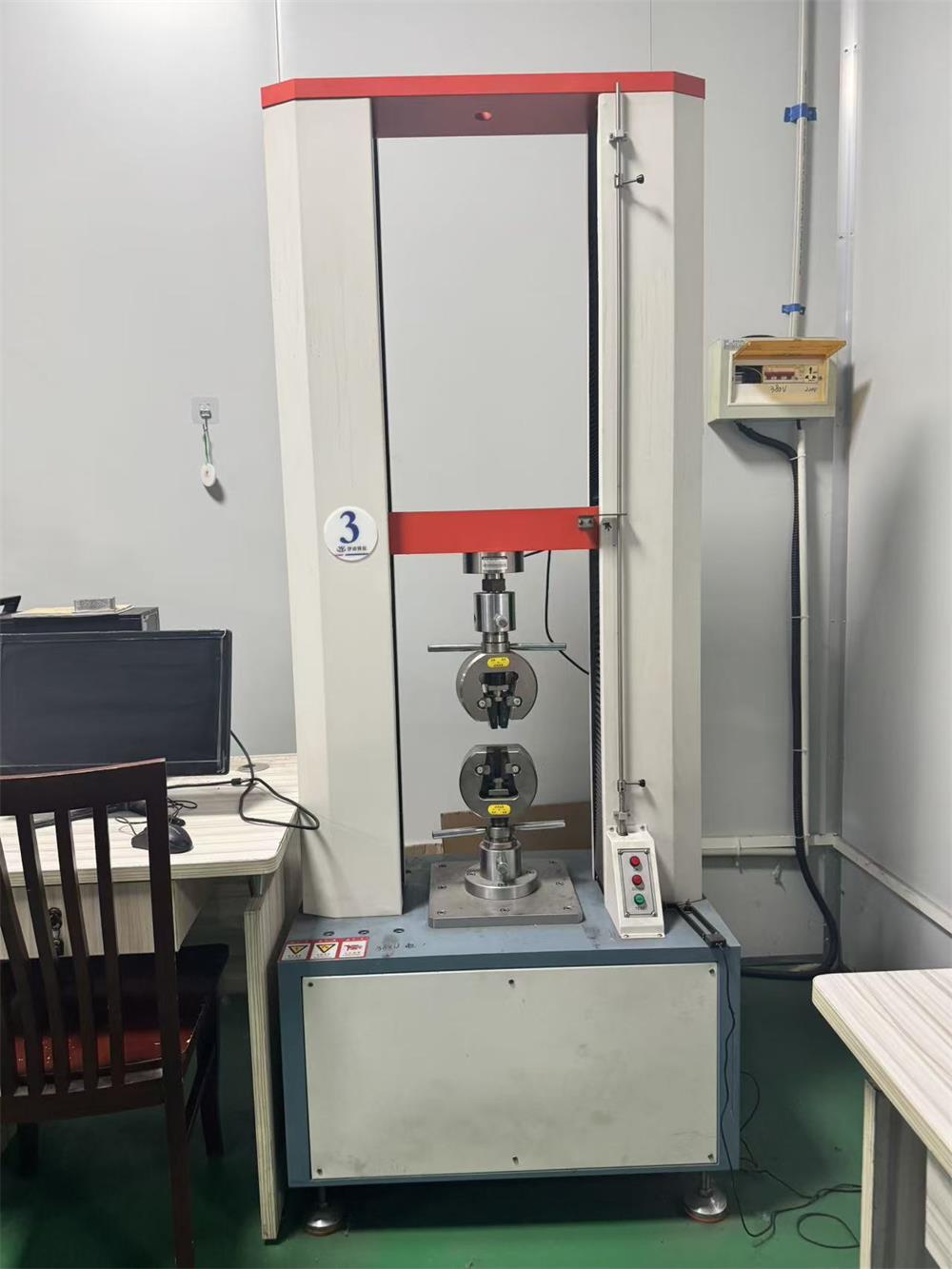
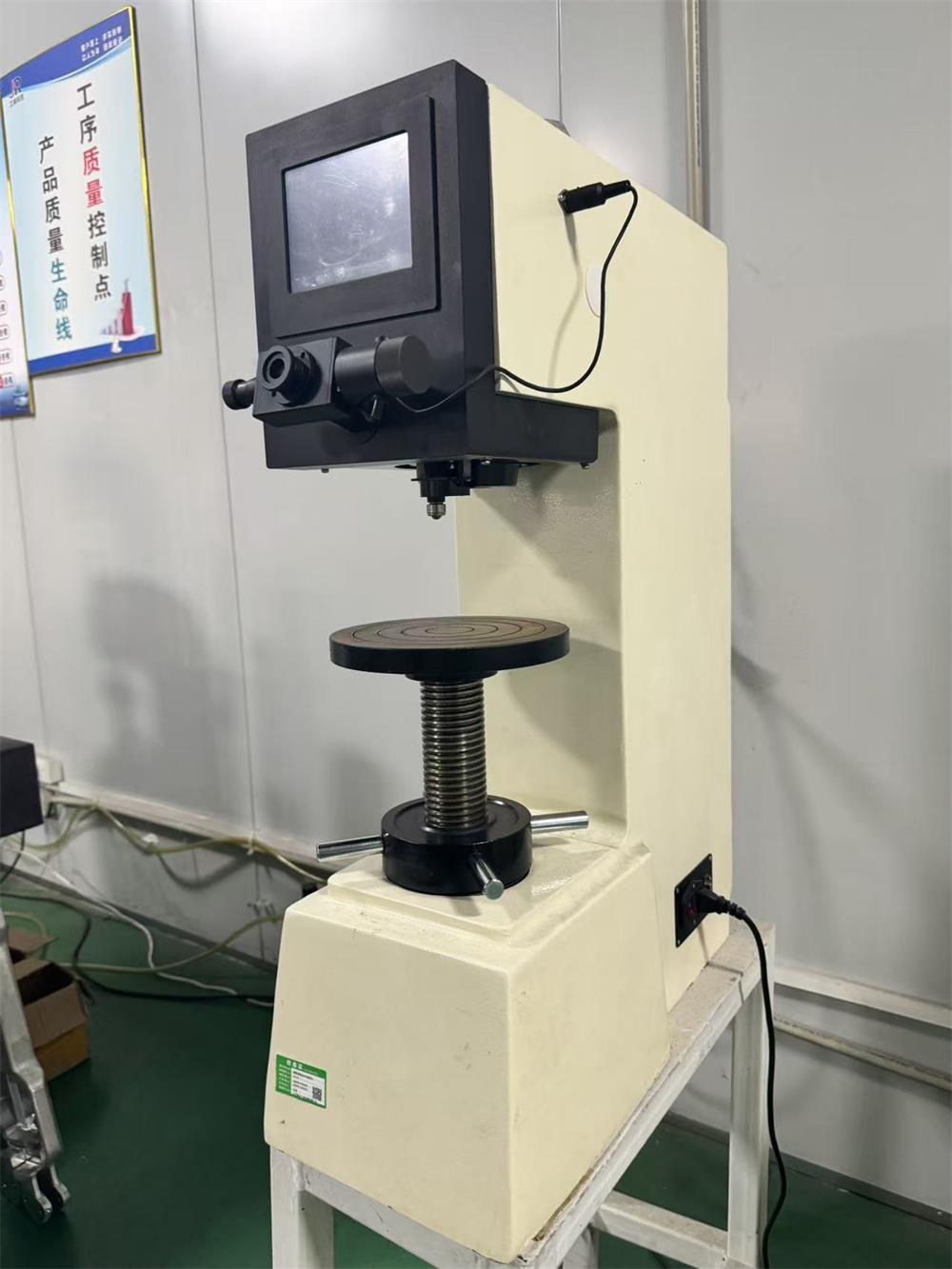
We inspect aluminum castings according to drawing, material, dimensional, mechanical and surface-quality requirements. Inspection methods are selected according to the casting process, part function and customer specifications, with inspection records and material documentation available where required.
Our inspection facilities support material verification, dimensional measurement and mechanical-property testing for raw and machined aluminum castings. Inspection plans can be arranged according to drawing tolerances, application requirements and order specifications.
Explore selected aluminum casting projects developed from customer drawings and samples. These examples demonstrate our capabilities in tooling development, casting trials, dimensional adjustment, T6 heat treatment, CNC machining and repeat production.

Custom aluminum differential housing developed from the customer’s sample. The project included sand casting, tooling trials, dimensional adjustment, T6 heat treatment and CNC machining for final assembly requirements.

A356 aluminum drivetrain components manufactured through sand casting, followed by T6 heat treatment and machining. Tooling and casting dimensions were refined during sample development before repeat production.
We evaluate part structure, internal cavities, wall thickness, annual quantity, pressure-tightness requirements and tooling budget before recommending sand casting, gravity die casting, low-pressure casting or high-pressure die casting.
Aluminum casting alloys are selected according to the casting process, mechanical properties, heat-treatment requirements, corrosion resistance and end-use conditions. Customer-specified grades can also be evaluated.
We support mold development, casting trials, sample inspection and dimensional adjustment before repeat production. Sand casting is available for prototypes and projects requiring greater design flexibility.
Aluminum castings can be supplied as raw cast parts or completed with CNC machining, suitable heat treatment, shot blasting, anodizing, powder coating, wet painting and other specified finishes.
Material composition, dimensions, machined features, mechanical properties and surface quality are inspected according to drawing and order requirements before shipment.
We support prototypes, small batches and repeat orders by matching the casting process to quantity, part size and performance requirements.
Not sure which aluminum casting process or alloy is suitable for your part?
Send us your drawing, 3D file, sample photo or application requirements. We will evaluate the part structure, production quantity, pressure-tightness requirements, machining needs and tooling budget before recommending a suitable casting solution.
For an Accurate Quotation
If no drawing is available, send us a clear sample, sample photos or an existing part for preliminary evaluation.
The suitable process depends on part geometry, internal cavities, wall thickness, required quantity, surface finish, dimensional tolerance, pressure-tightness requirements and tooling budget. Sand casting is often selected for prototypes and small batches, gravity die casting for stable repeat production, low-pressure casting for larger or pressure-tight parts, and high-pressure die casting for high-volume thin-wall components.
We work with aluminum casting alloys suitable for sand casting, gravity die casting, low-pressure casting and high-pressure die casting. Common grades include ZL101, ZL101A, ZL102, ZL104, ZL105, ZL106, ZL108, A356, A357, ADC10, ADC12, A380, A383, YL104 and YL113. Customer-specified grades can also be evaluated.
Yes. We can evaluate an existing sample, worn part, clear photographs or available dimensional information. For accurate tooling development and repeat production, a complete drawing or 3D file is preferred whenever available.
Yes. Aluminum castings can be supplied as raw castings or completed with CNC milling, turning, drilling, tapping and machining of bores, sealing surfaces and mounting features. Machining allowances and datum positions are reviewed during tooling development.
T5 or T6 heat treatment may be available depending on the selected alloy and casting process. T6 treatment is commonly used for suitable sand, gravity and low-pressure cast alloys, but is generally not recommended for conventional high-pressure die castings because internal gas porosity may cause blistering during heat treatment.
The suitable order quantity depends on the casting process, part size and tooling cost. Sand casting is more suitable for prototypes and small batches, while gravity, low-pressure and high-pressure die casting become more economical as production quantity increases. We evaluate each project individually.
Yes. Material certificates, dimensional inspection records, hardness results, mechanical-property testing and other inspection documentation can be arranged according to drawing requirements and order specifications.
Send us your drawing, 3D file, sample or existing part for review. We will evaluate the part structure, aluminum alloy, casting process, tooling requirements, machining, heat treatment, surface finishing and inspection needs, then prepare a quotation for your project.
We’ll review your drawings and get back to you within 1 business day. Please look out for emails from @yutungindustrial.com.
Upload your drawings for faster and more accurate pricing.

Automated page speed optimizations for fast site performance