Project Overview
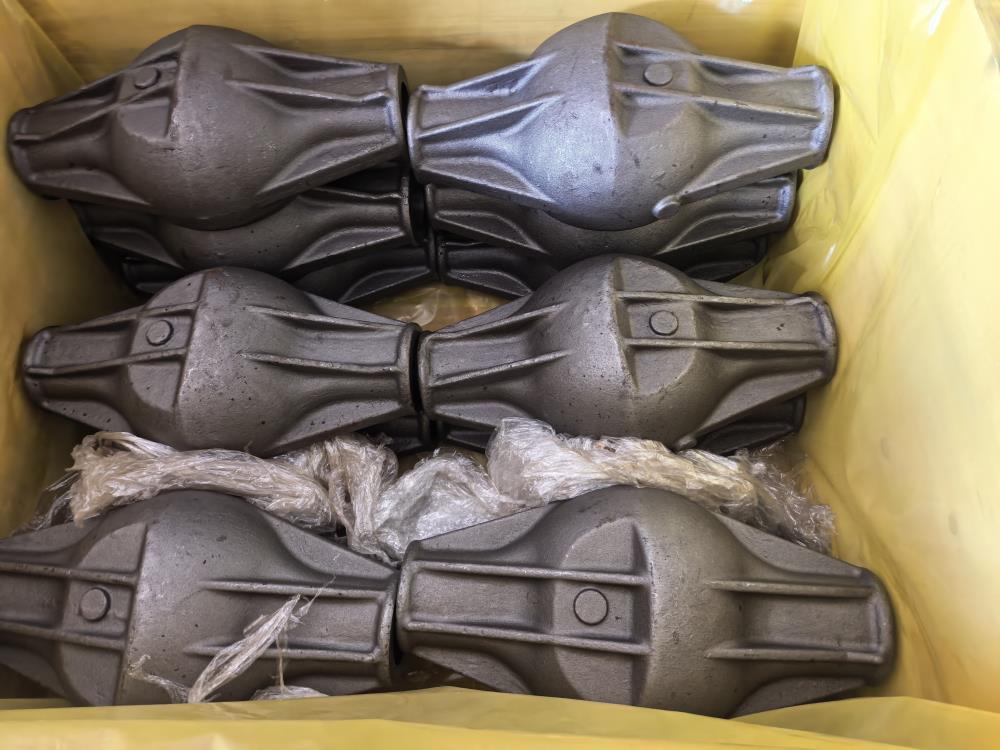
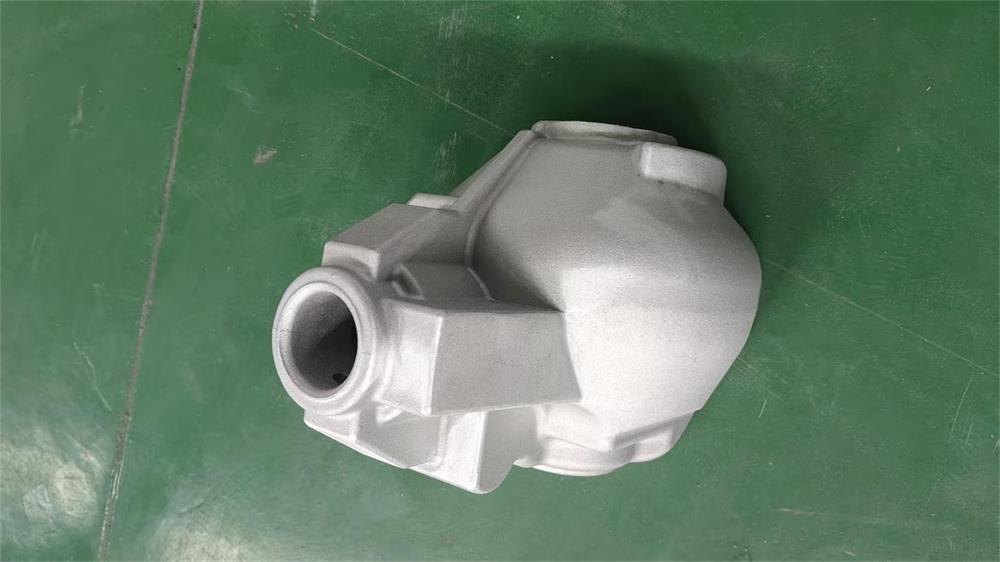
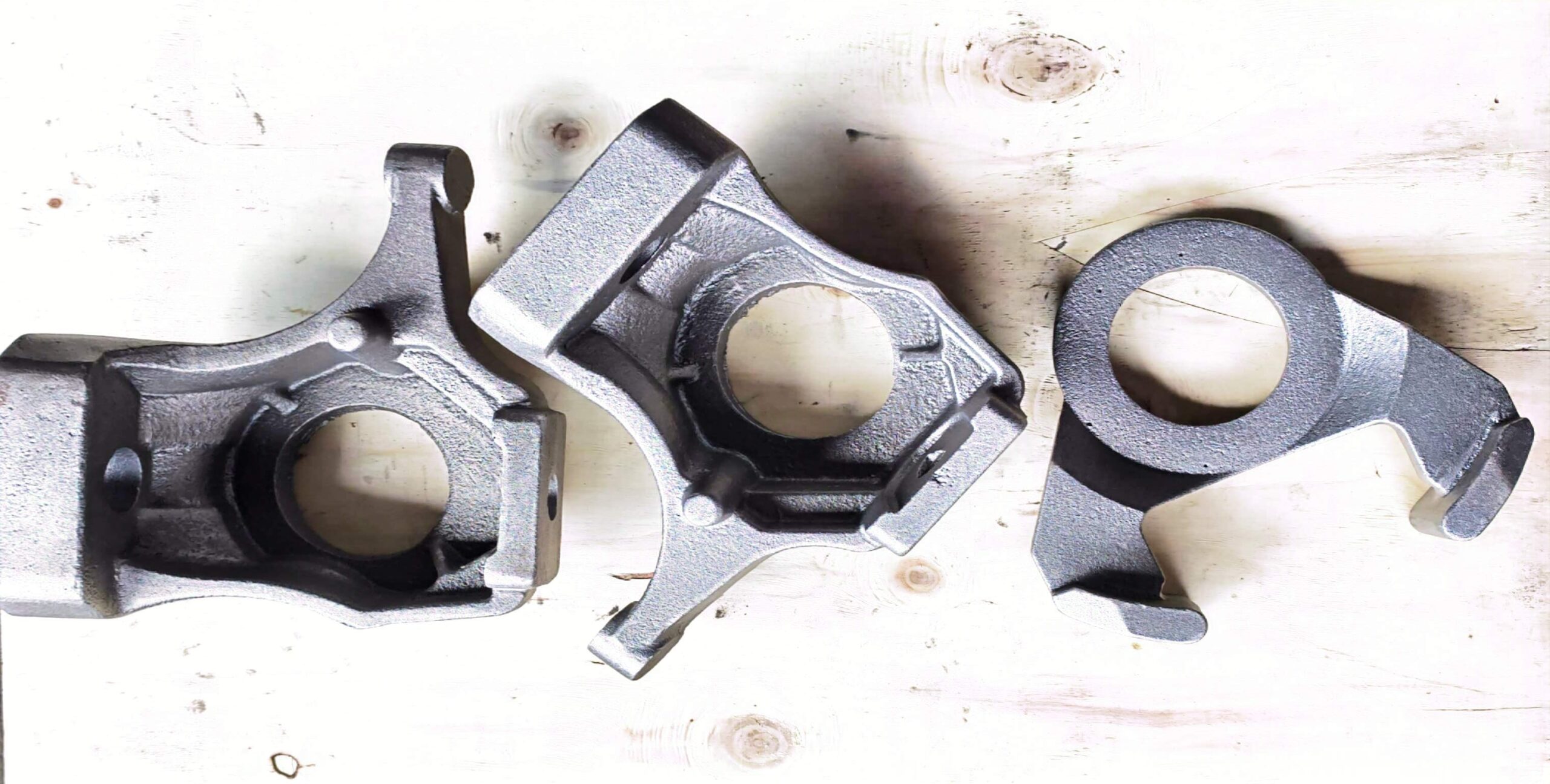
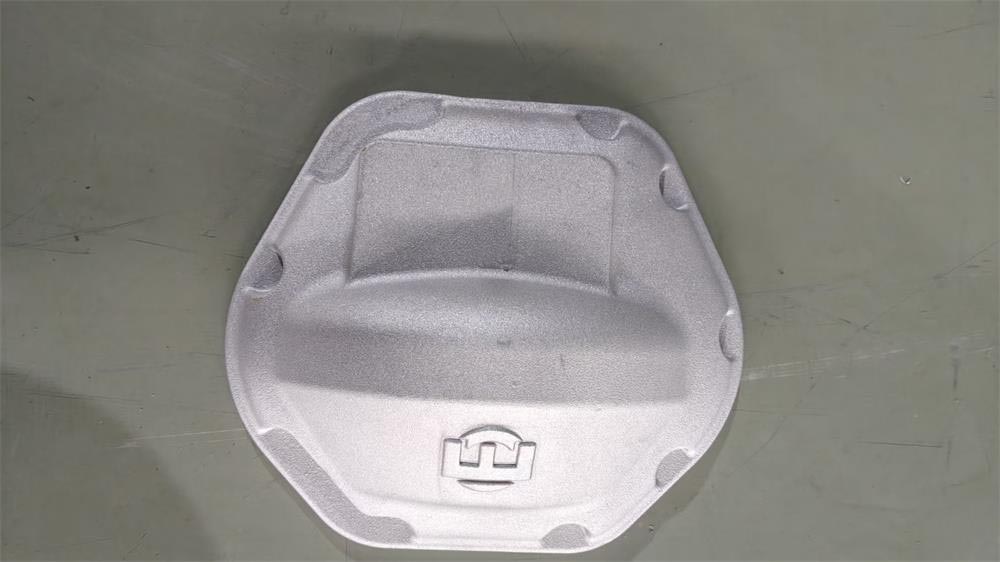
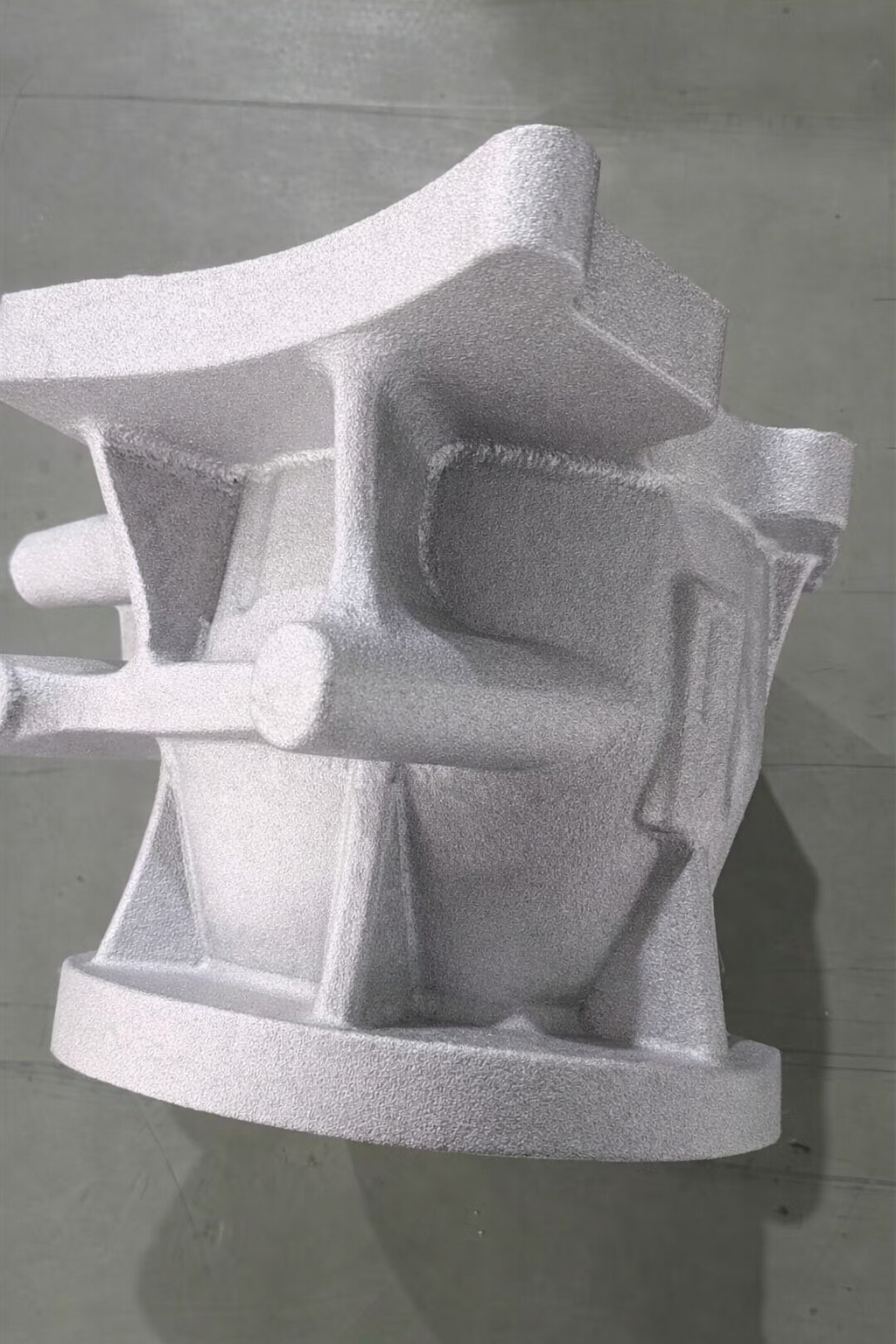
This project involves the production of custom aluminum casting components for an automotive drivetrain system.
Our company specializes in custom aluminum casting for industrial applications.
The parts were manufactured according to the customer’s engineering drawings and technical specifications. The project started approximately two years ago with tooling development and prototype casting trials.
During the development phase, several rounds of testing and feedback were carried out. Based on the trial results, partial tooling modifications were made to optimize the casting structure and surface quality.
After the design and tooling were finalized, the product successfully entered stable batch production. The casting quality and surface finish met all requirements, and the customer was very satisfied with the final result.
For confidentiality reasons, all customer brand markings visible on the original castings have been removed from the photos used on this page.
This project demonstrates our capability in A356-T6 aluminum shell mold casting for automotive differential components used in drivetrain systems.
For custom aluminum components requiring shell mold casting, gravity casting, low-pressure casting, die casting, tooling development, heat treatment, and batch production, explore our custom aluminum casting manufacturing capabilities.
Technical Specifications
The following specifications summarize the key material and manufacturing information of this component.
Material: A356-T6 aluminum alloy
Process: shell mold casting
Application: automotive differential components
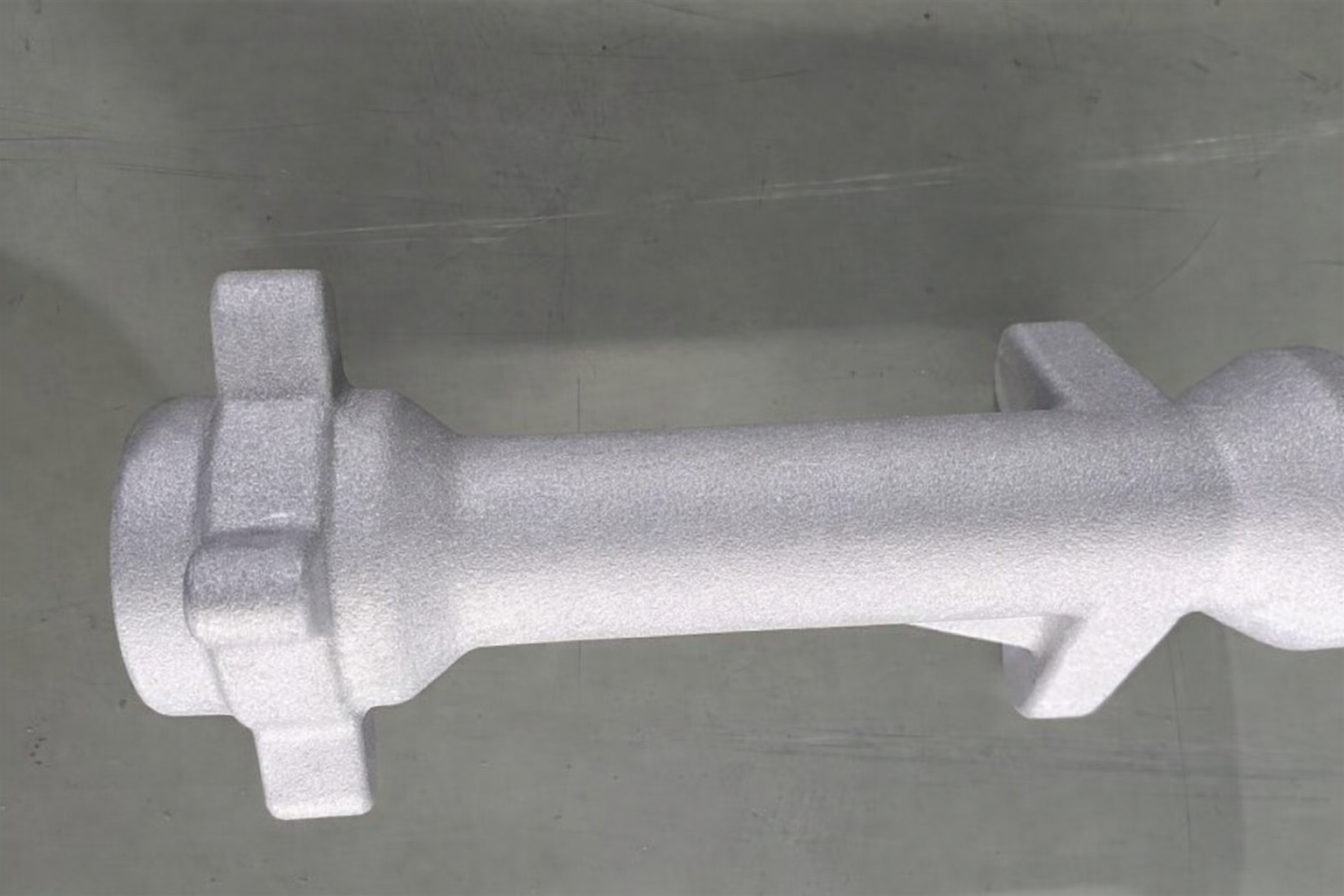
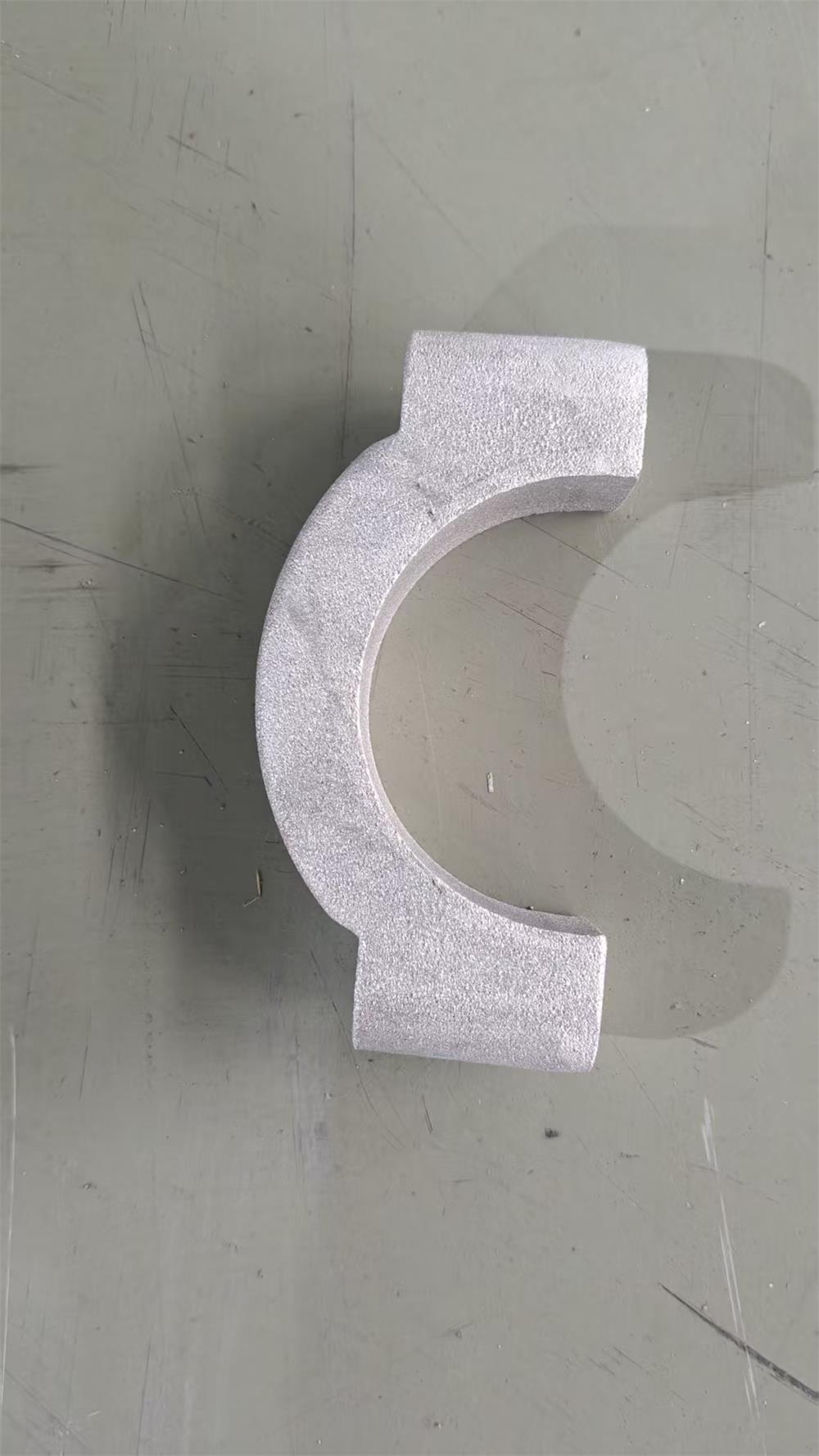
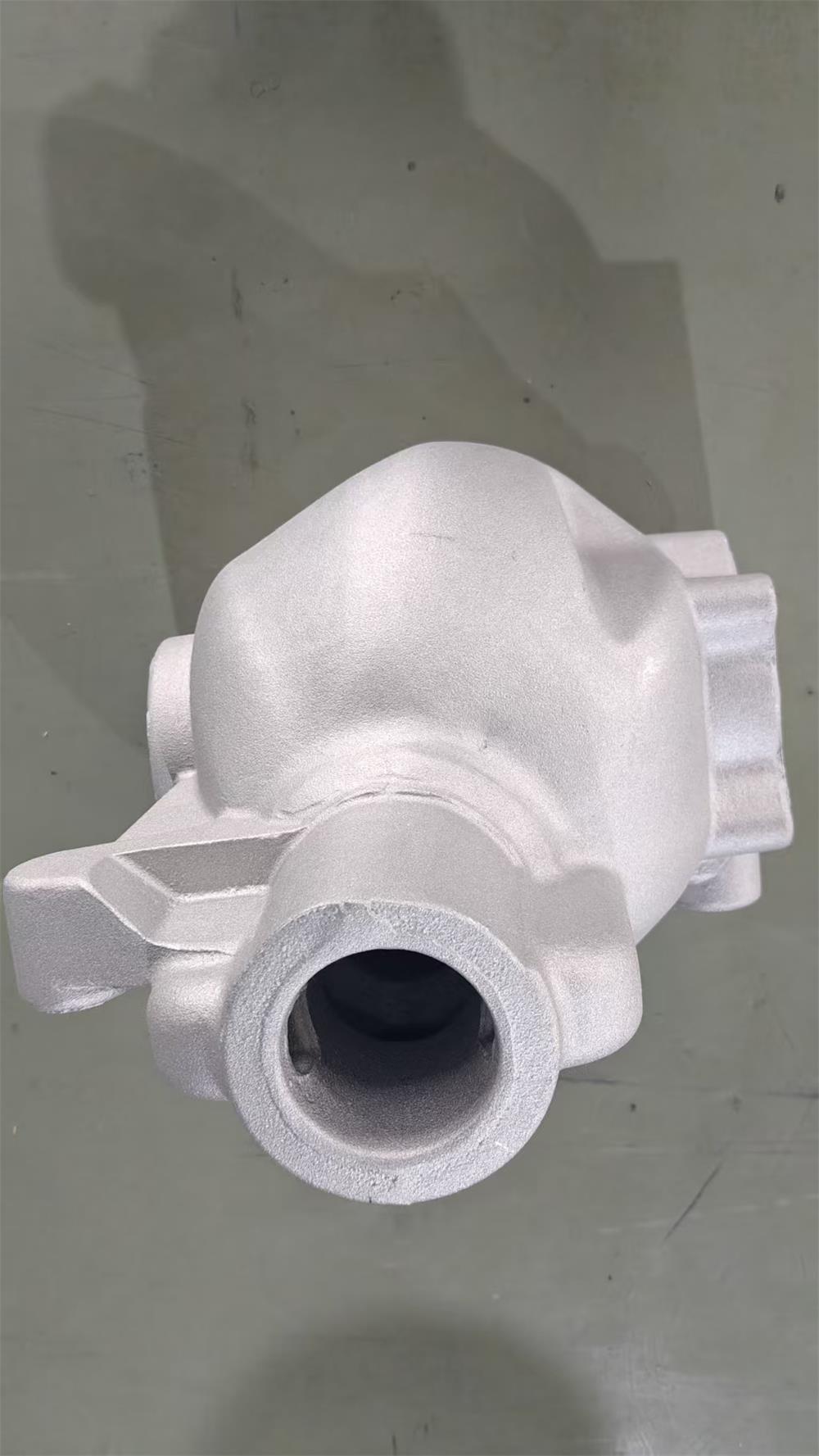
Material and Application
The material used in this project is A356-T6 aluminum alloy, which is widely used in automotive structural components due to its excellent mechanical properties and lightweight characteristics.
Key advantages of A356 aluminum include:
- high strength-to-weight ratio
- excellent castability
- good corrosion resistance
- stable mechanical properties after T6 heat treatment
These aluminum casting components are used in automotive drivetrain and differential assemblies, where both structural integrity and weight reduction are important.
Manufacturing Process – Aluminum Shell Mold Casting
For this project, the customer selected the aluminum shell mold casting process.
Shell mold casting is suitable for small to medium batch production and provides better surface quality and dimensional accuracy compared with traditional sand casting. In addition, the tooling cost is more economical than permanent mold casting, making it a practical solution for customized aluminum components.
Shell mold casting is commonly used for aluminum components that require good surface finish and dimensional accuracy in automotive applications.
You can learn more about this manufacturing method here:
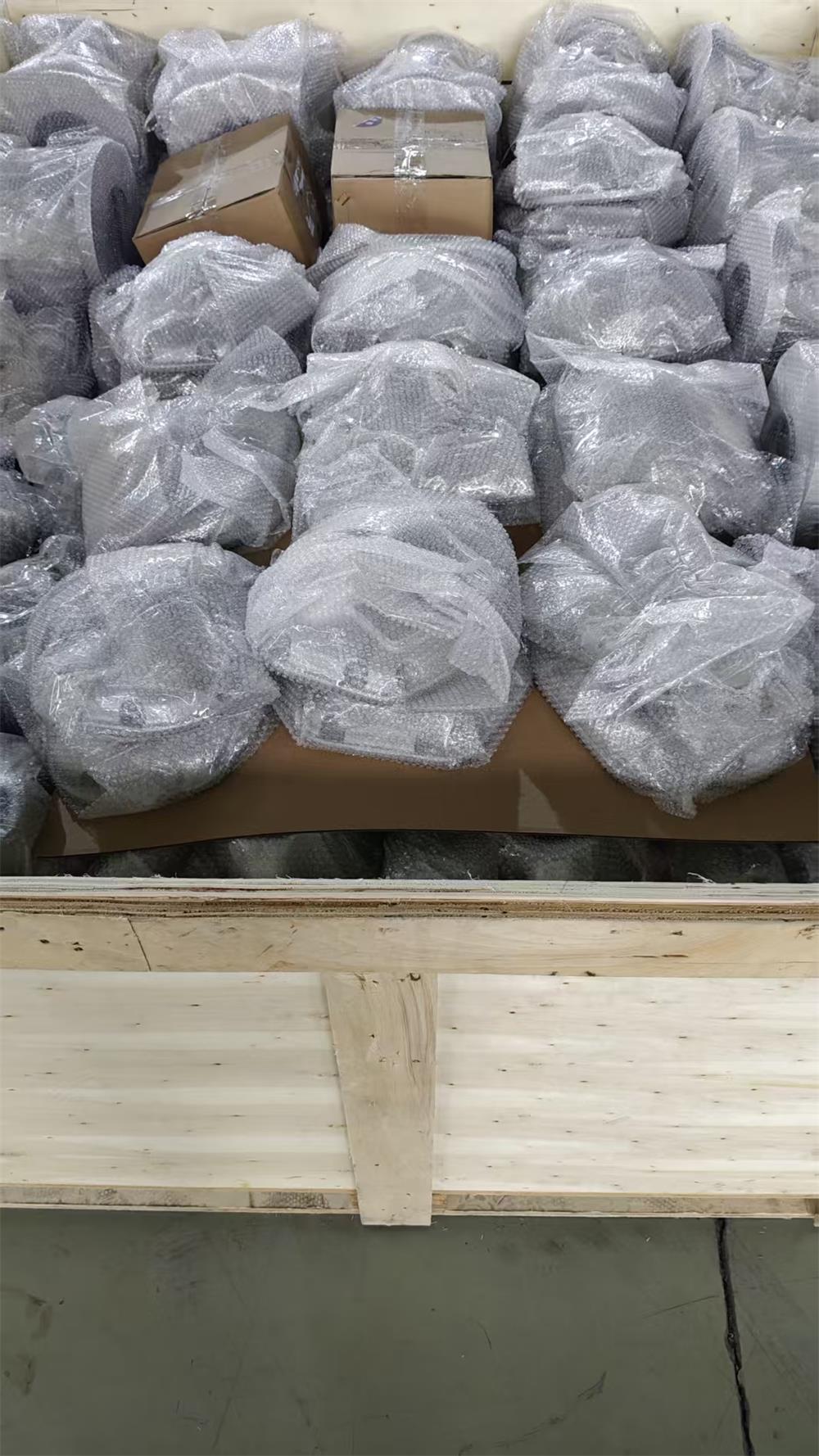
After casting, the components undergo inspection and finishing before shipment.
For aluminum castings requiring trimming, drilling, CNC machining, heat treatment, surface finishing, and final dimensional inspection, explore our custom precision metal parts manufacturing capabilities.
Aluminum casting is also commonly used in marine equipment components such as stuffing box housings and steering system holders. You can learn more about this application in our article about boat stuffing box aluminum casting parts.
Surface Quality and Production Result
The aluminum castings achieved excellent surface quality and dimensional consistency. After the development stage and tooling optimization, the production process became stable and reliable.
This project represents a successful transition from prototype development to regular production, demonstrating our capability in manufacturing high-quality custom aluminum castings.
Related Projects
You may also be interested in the following custom metal casting projects:
- Stainless Steel Investment Casting for Industrial Machinery
- Custom Sand Casting Hydraulic Valve Components
- Precision Machined Bronze Valve Parts
- Custom Automotive Casting Components
Explore more case studies in our Project Portfolio to learn about our manufacturing experience across different industries.
For a complete overview of casting technologies, read our Metal Casting Process Guide.