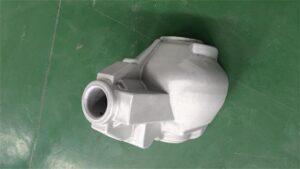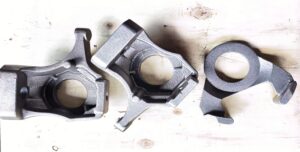

Lost foam casting and sand casting are two of the most widely used processes for manufacturing large metal parts. The choice between them depends on part complexity, surface finish, production volume, and cost requirements. In this article, we compare both processes to help you choose the right solution for your project.
What Is Lost Foam Casting?
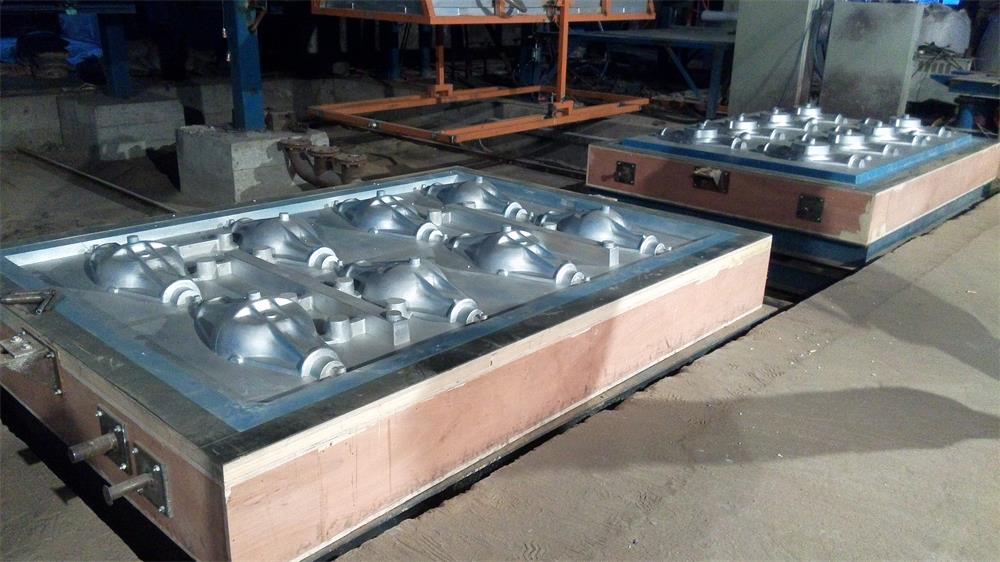
Lost foam casting is a process where a foam pattern is used instead of a traditional mold cavity. During pouring, the foam evaporates and molten metal takes its place, forming the final part.
This process is widely used for large and complex castings such as automotive structural components, machine housings, and industrial parts.
You can learn more about our lost foam casting service.
What Is Sand Casting?
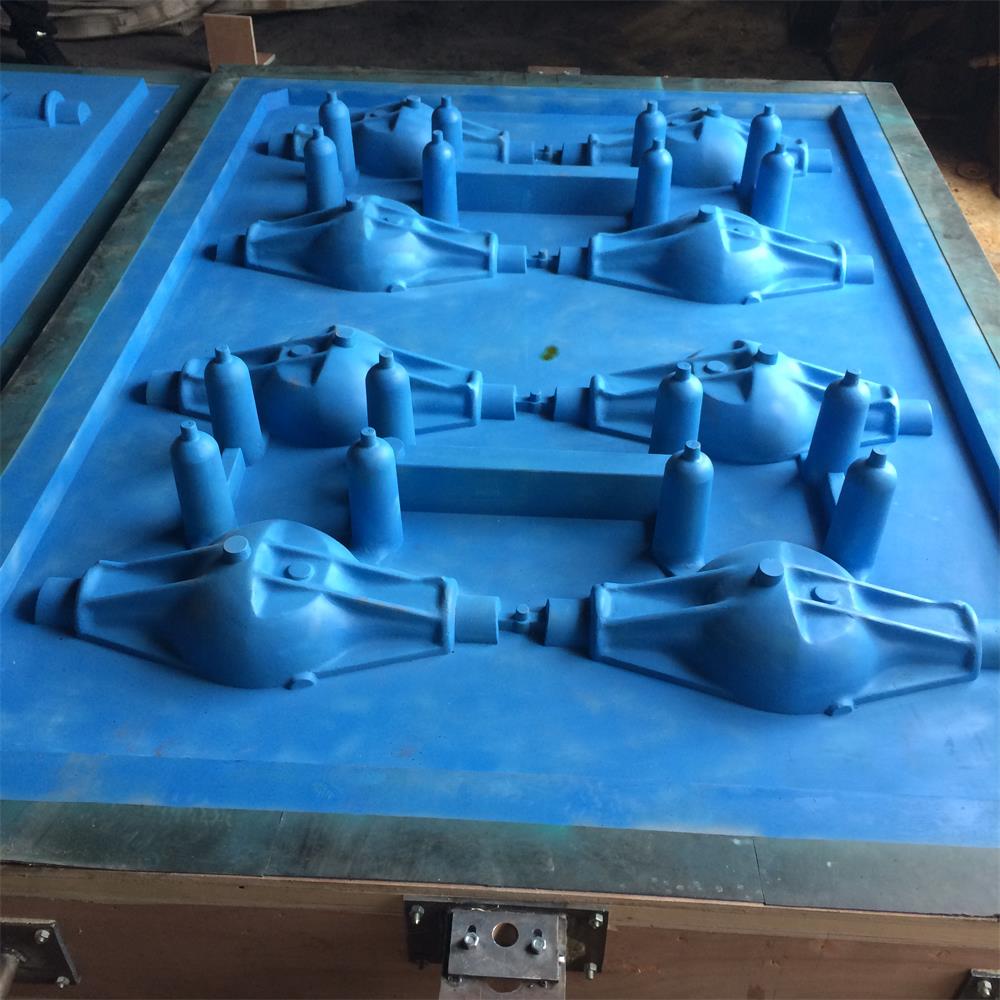
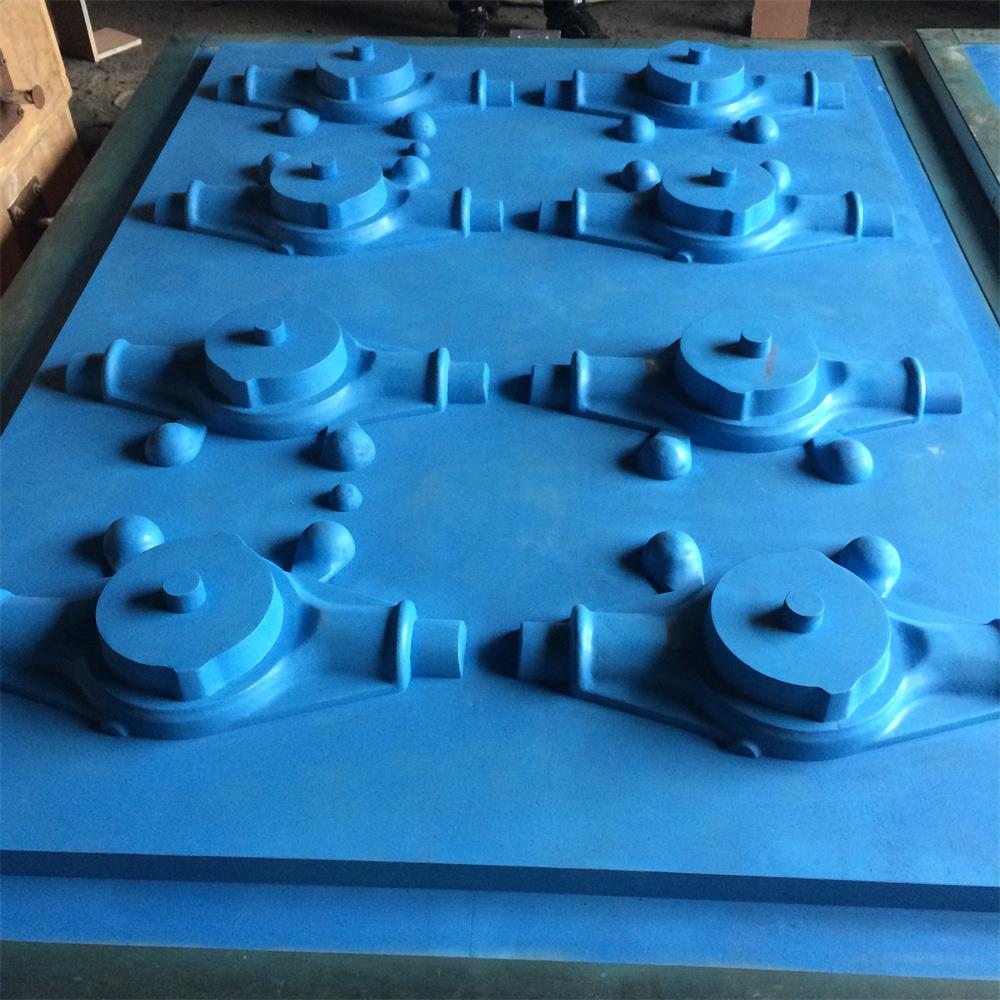
Sand casting is one of the most traditional casting methods. A sand mold is created around a pattern, and molten metal is poured into the cavity after the pattern is removed.
It is suitable for a wide range of metal parts, especially when cost control and flexibility are important.
Check our sand casting capability here:
https://ytcasting.com/metal-casting-process/sand-casting/
Key Differences Between Lost Foam Casting and Sand Casting
1. Mold Structure
- Lost foam casting uses foam patterns that remain in the mold
- Sand casting uses removable patterns and separate mold halves
2. Surface Finish
- Lost foam casting generally provides smoother surfaces
- Sand casting surfaces are rougher and often require more machining
3. Complexity
- Lost foam casting is better for complex internal structures
- Sand casting is suitable for simpler geometries
4. Tooling and Cost
- Lost foam casting requires foam tooling, suitable for medium batches
- Sand casting has lower initial cost, better for small quantities
5. Production Efficiency
- Lost foam casting allows more stable repeatability
- Sand casting is more flexible but may vary between batches
Which Process Should You Choose?
Choosing between lost foam casting and sand casting depends on your project:
👉 Choose lost foam casting if:
- Your part is large and complex
- You need better surface finish
- You want stable batch production
👉 Choose sand casting if:
- Your quantity is small
- Cost is the main concern
- The structure is relatively simple
In general, lost foam casting is often suitable for large parts with complex external geometry and stable batch requirements, while sand casting offers greater flexibility for different sizes, materials, structures, and production quantities.
Real Application Example
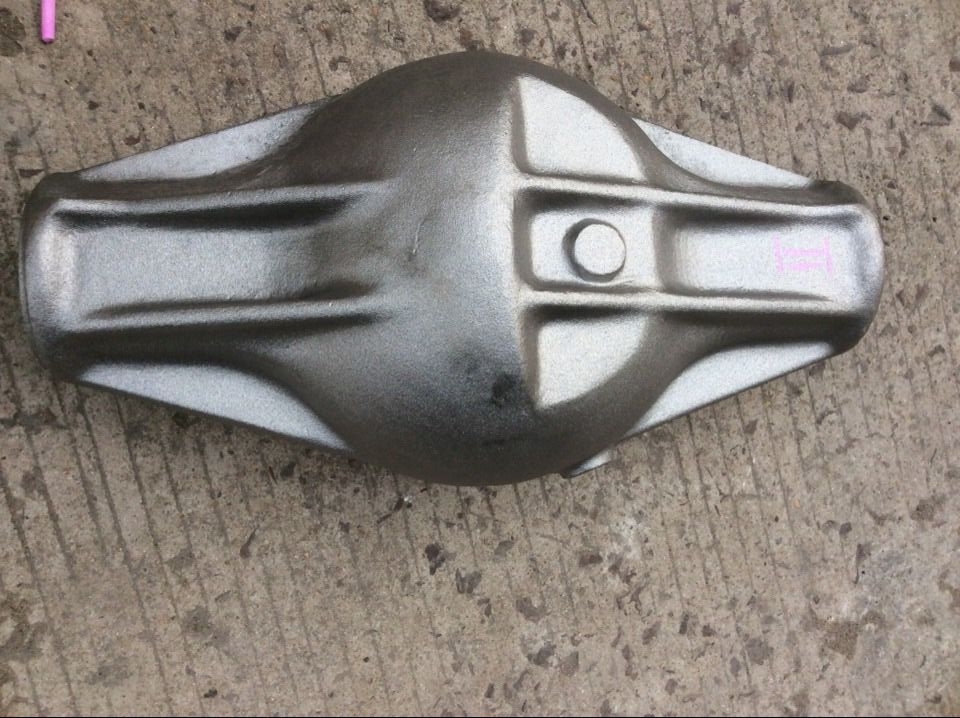
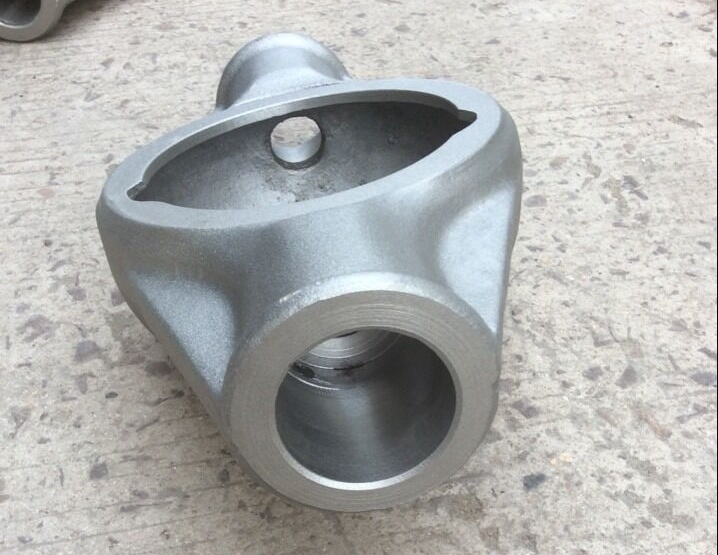
Lost foam casting is often used for large automotive components such as rear axle housings and heavy structural parts.
You can view a real project here: rear axle housing casting project
Our Recommendation
In real industrial projects, the best process is not always the cheapest, but the most suitable for your part structure, material, and production plan.
To compare lost foam casting, sand casting, investment casting, forging, CNC machining, stamping, plastic moulding, extrusion, rubber processing, and other production options, review our complete custom manufacturing processes.
If you are not sure which process to choose, send us your drawing. Our engineering team will review your project and recommend the most suitable solution.
Get a Quote for Your Project
Not sure which casting process is right for your part?
Send us your drawings, material requirements, and quantity. Our engineering team will review your project and recommend the most suitable process within 24 hours.