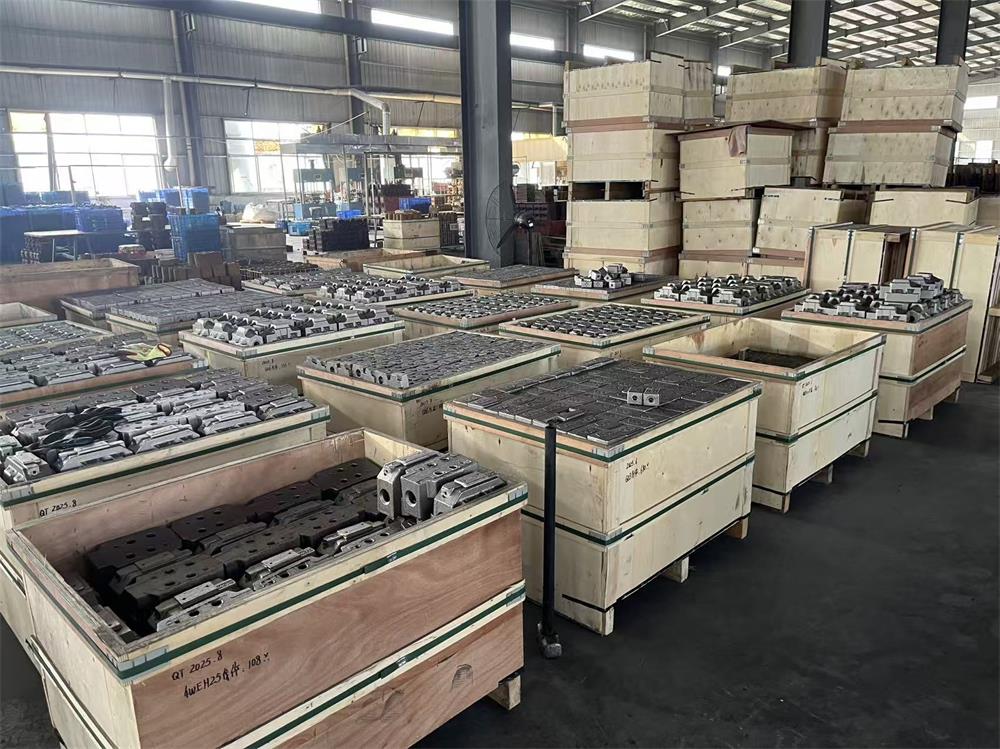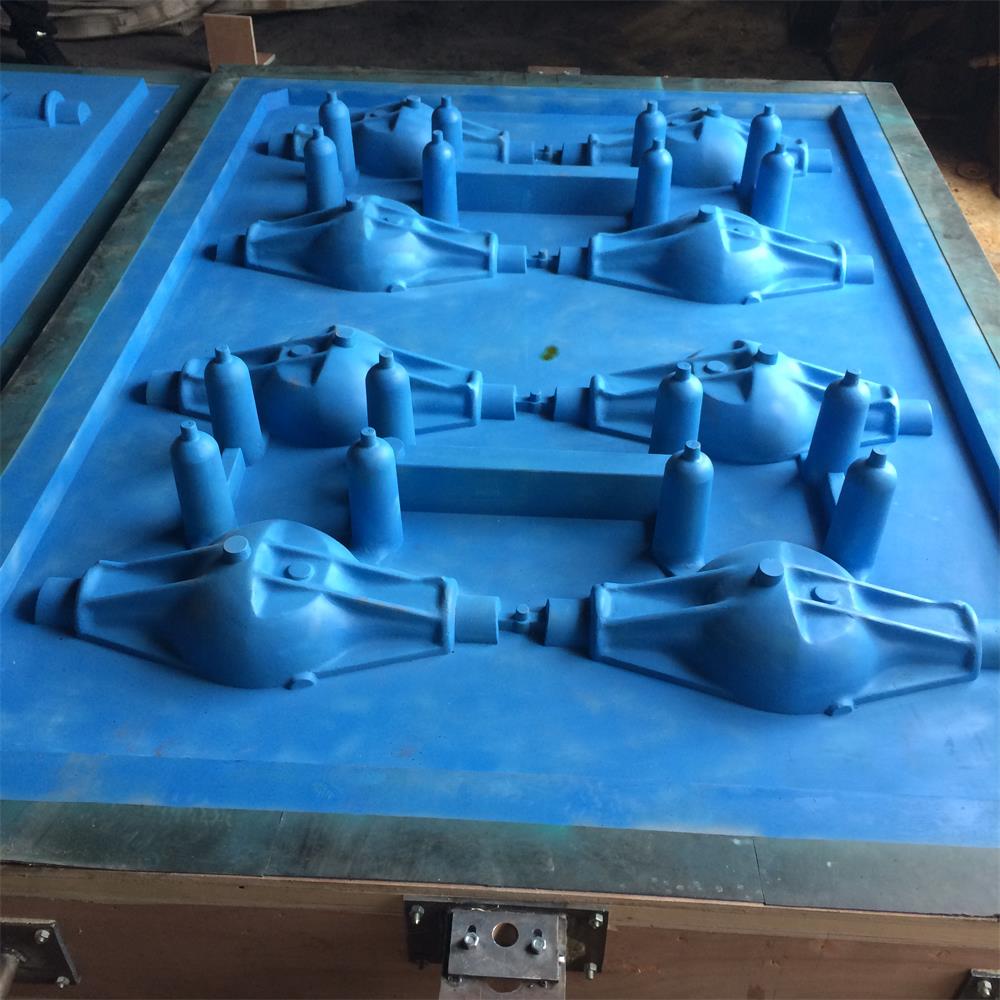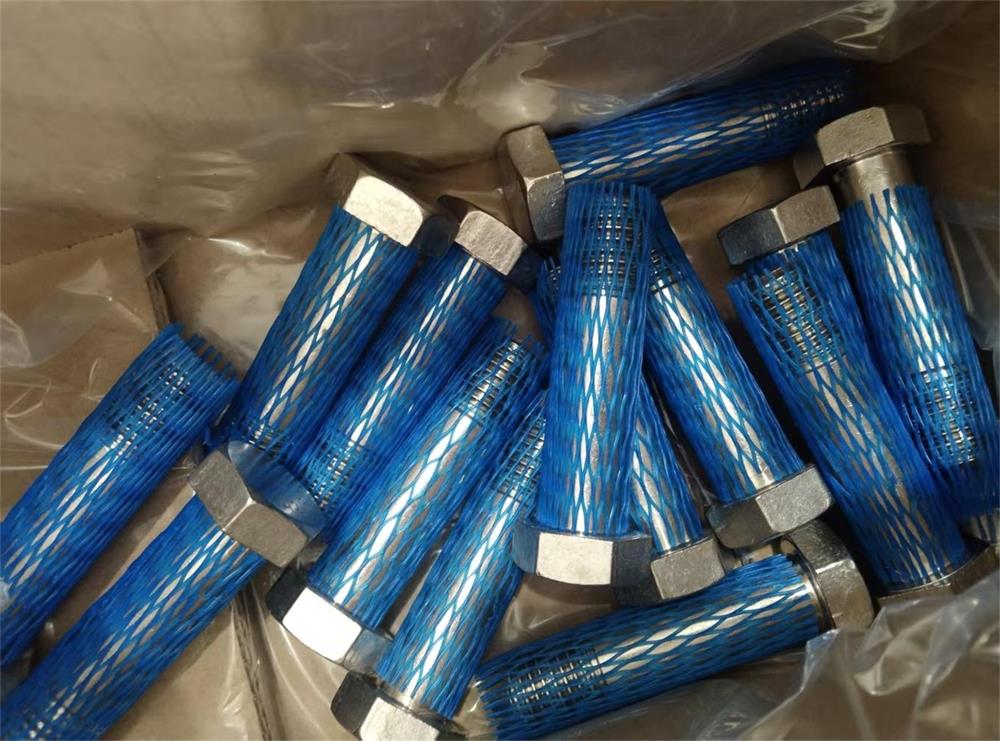

Grooved sheave manufacturing is a critical process for heavy-duty industrial applications such as lifting systems, cranes, and marine equipment.
This process typically involves alloy steel casting, heat treatment, precision machining, and surface coating to ensure high strength, durability, and dimensional accuracy.
What Is a Grooved Sheave?
A grooved sheave is a wheel with a specially designed groove profile that allows ropes or cables to run smoothly while minimizing wear. These components are commonly found in cranes, hoisting systems, and heavy-duty mechanical assemblies.
Their performance directly affects the efficiency and safety of the entire system.
Common Materials for Grooved Sheaves
The material selection depends on the application and working conditions. Common options include:
- Alloy steel casting
- Carbon steel
- Stainless steel
For heavy-duty applications, alloy steel casting is often preferred due to its excellent strength and durability.
Manufacturing Process of Grooved Sheaves
The production of grooved sheaves involves multiple critical steps:
- Casting
- Heat treatment
- Precision machining
- Surface coating
Casting provides the base shape, while heat treatment improves mechanical properties such as strength and hardness.
Precision machining ensures that all key dimensions meet engineering requirements, especially for the groove profile and inner bore.
Key Quality Control Points
To ensure reliability, strict quality control must be applied throughout the production process:
- Dimensional accuracy
- Surface finish
- Hardness verification
- Coating control
Even small deviations in dimensions can lead to improper installation or premature wear.
For custom sheaves, pulleys, shafts, rings, sleeves, and other heavy-duty components requiring casting, heat treatment, precision machining, groove and bore control, surface coating, and dimensional inspection, explore our custom precision metal parts manufacturing capabilities.
Case Study – Panama Canal Project
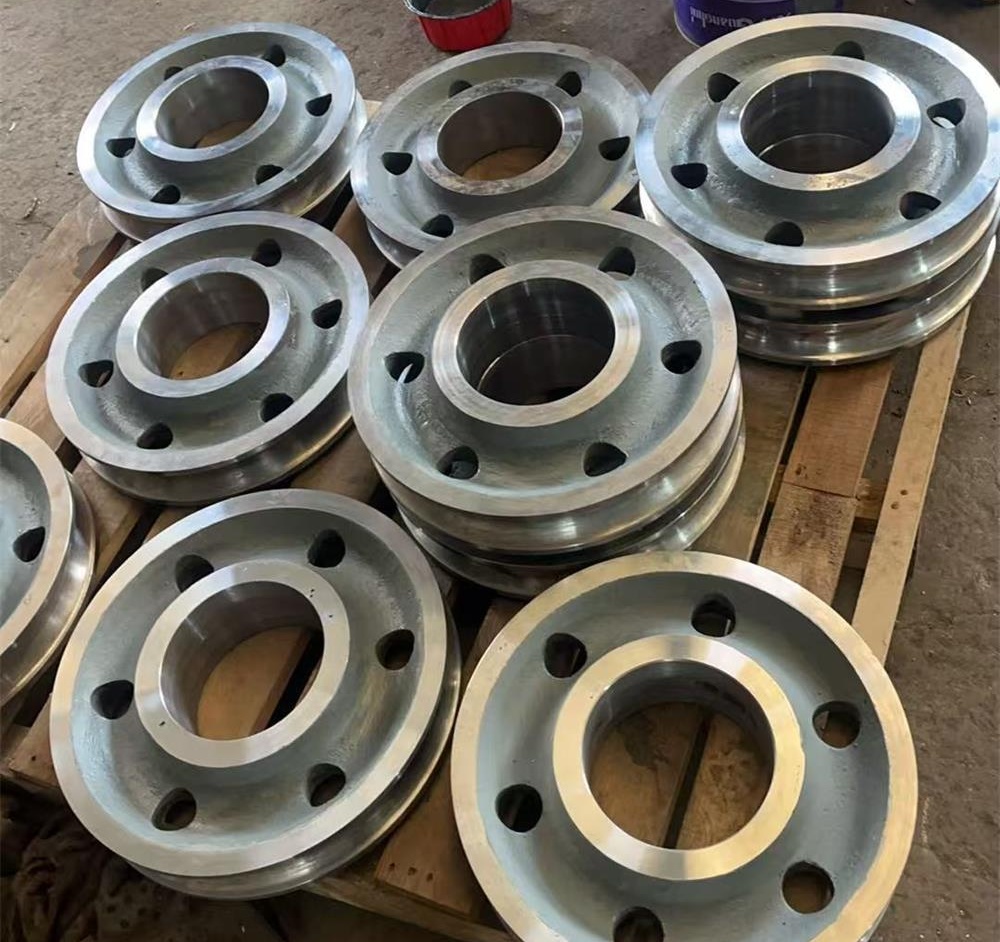
In one of our recent projects for the Panama Canal Authority (ACP), we manufactured a batch of grooved sheaves for heavy-duty use.
The project required strict control over:
- Material properties
- Heat treatment
- Machining tolerances
- Epoxy coating application
One critical requirement was that epoxy coating could only be applied to the as-cast surfaces, while machined surfaces had to remain uncoated to ensure correct assembly and function.
Why Dimensional Inspection Matters
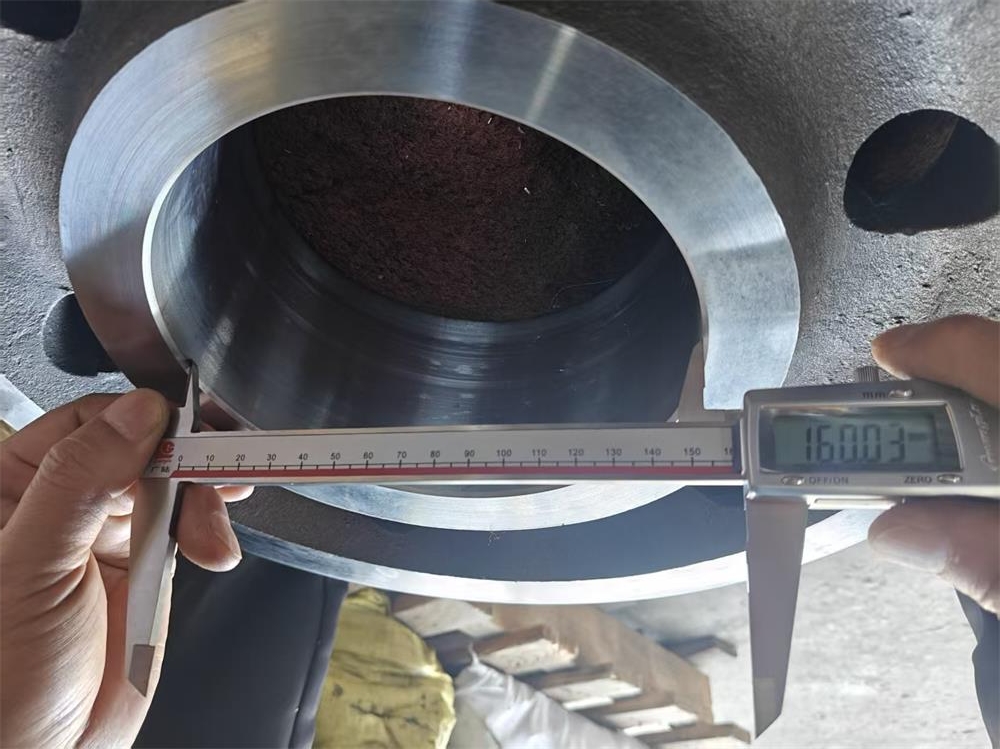
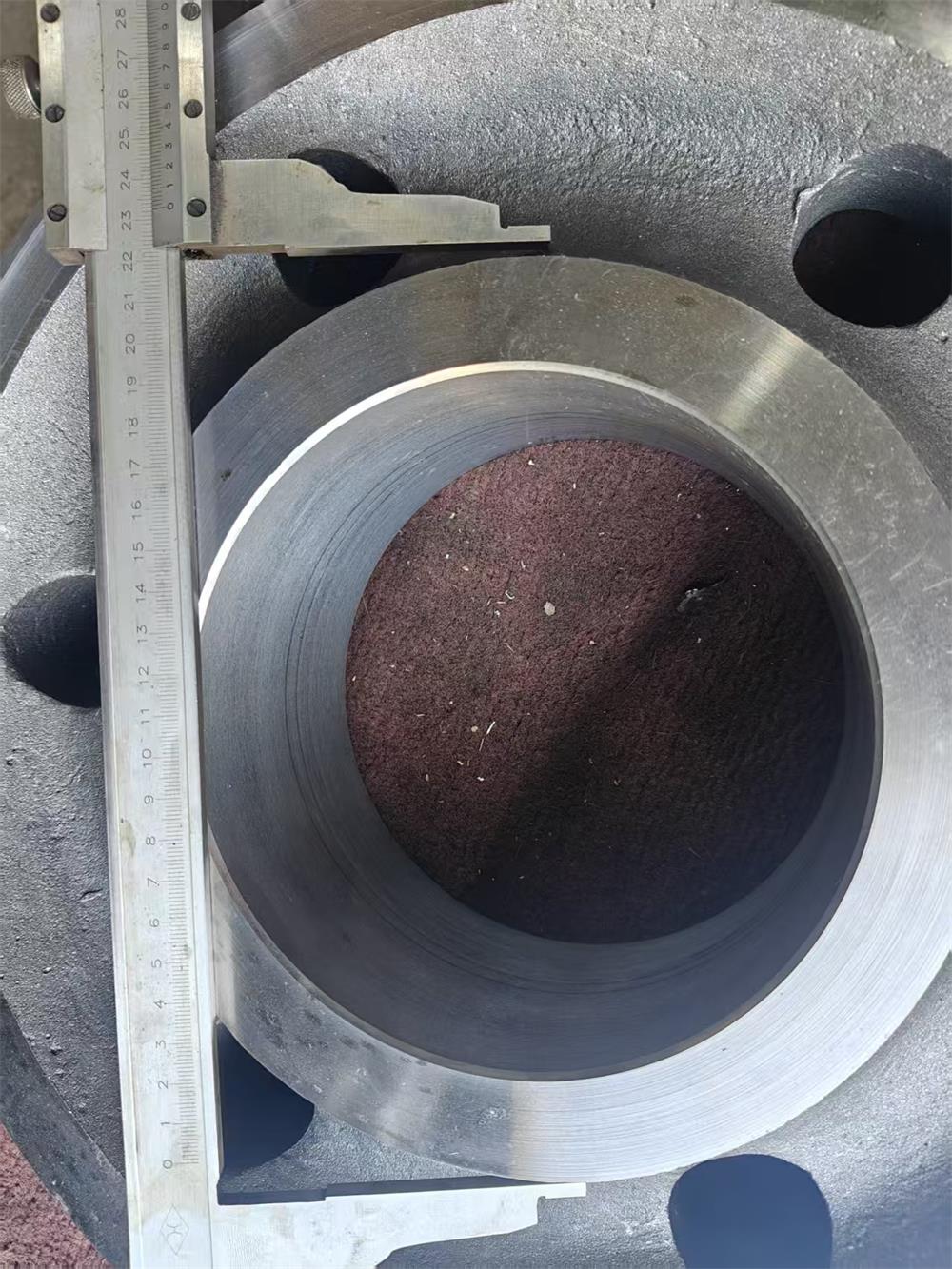
Dimensional inspection is one of the most important steps in manufacturing grooved sheaves.
In this project, all critical dimensions were measured and verified using professional tools such as calipers and gauges.
Each key dimension was checked multiple times to ensure consistency and accuracy.
This level of inspection helps guarantee that the final components meet both technical drawings and real-world application requirements.
Applications of Grooved Sheaves
Grooved sheaves are widely used in:
- Lifting systems
- Conveyor systems
- Marine equipment
- Heavy machinery
Their reliability directly impacts operational safety and performance.
Grooved sheaves are often used interchangeably with pulleys in industrial systems, especially in lifting and power transmission applications. Their design and manufacturing quality directly impact system efficiency and service life.
Conclusion
Manufacturing high-quality grooved sheaves requires a combination of advanced casting techniques, precise machining, and strict quality control.
With real project experience in demanding environments such as the Panama Canal, we are able to deliver reliable solutions for heavy-duty industrial applications.
If you are looking for a reliable supplier for grooved sheaves or other custom casting parts, feel free to contact us for technical support and quotations.
This article is based on a real project delivered for the Panama Canal Authority (ACP), where strict dimensional inspection and coating requirements were applied.
Learn more about our Panama Canal project experience.