General Description
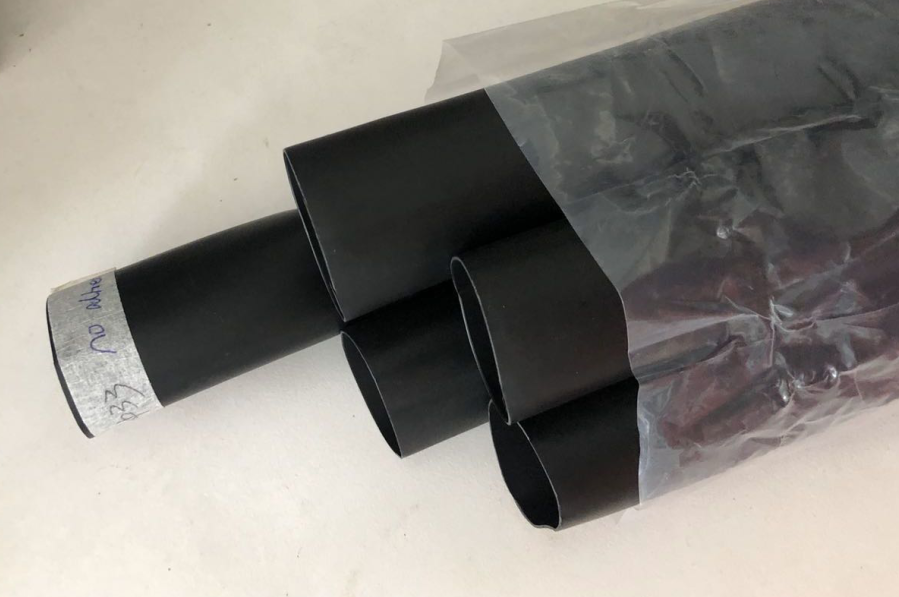
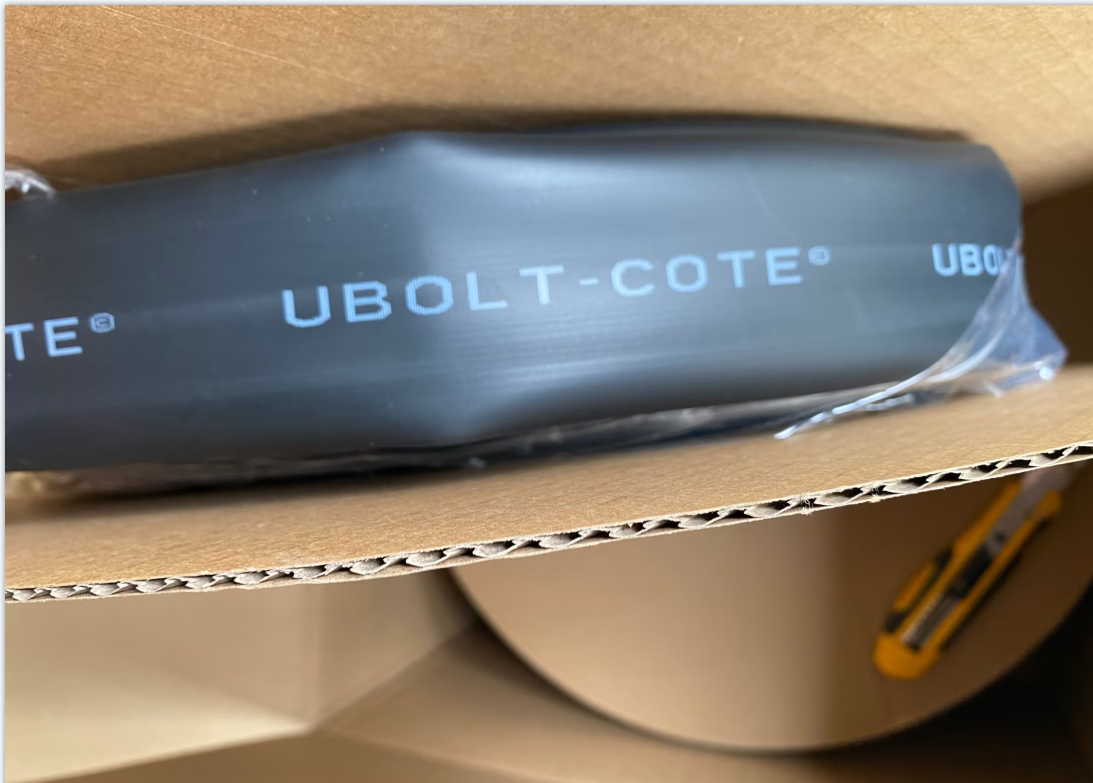
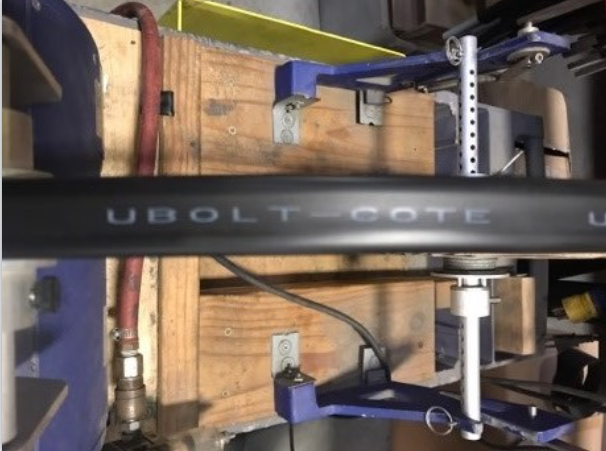
Shrinkage tubes, also known as heat shrink tubing or heat shrink sleeves, are a type of electrical insulation tubing that shrinks in size when exposed to heat. They are commonly used in various industries, including electronics, automotive, aerospace, and telecommunications.
How Heat Shrink Tubing Works
Heat shrink tubing is a thermoplastic tube designed to shrink in diameter when exposed to heat. When the tubing is placed over a wire or component and heated using a heat gun or similar tool, it contracts tightly around the object.
This shrinking action creates a protective layer that improves insulation, mechanical protection, and environmental sealing.
The shrinking property is created during manufacturing. The tubing is first extruded, then expanded and cooled so that it “remembers” its original size. When heat is applied later, the material returns to that size and tightly wraps around the component.
To review our plastic extrusion, injection moulding, rubber processing, metal casting, CNC machining, and other production capabilities for custom industrial components, explore our complete custom manufacturing processes.
After heating, the tubing tightly conforms to the shape of the wire or component, creating a protective and insulating layer.
Materials Used for Heat Shrink Tubing
Heat shrink tubing can be produced from several thermoplastic materials depending on the application requirements.
Common materials include:
Polyolefin
The most widely used material, offering good flexibility, electrical insulation, and chemical resistance.
PVC
A lower-cost option that provides good insulation and is available in many colors.
Fluoropolymers (PTFE, FEP)
These materials provide excellent resistance to high temperatures and chemicals.
Silicone
Used in applications requiring high flexibility and extreme temperature resistance.
Different materials allow heat shrink tubing to be used in electrical, automotive, aerospace, and industrial environments.
Applications of Heat Shrink Tubing
Heat shrink tubing is widely used in many industries because it provides insulation, protection, and cable organization.
Typical applications include:
- Electrical wire insulation
- Cable bundling and strain relief
- Protection of connectors and terminals
- Automotive wiring systems
- Electronic equipment assembly
- Aerospace wiring protection
Once heated, the tubing forms a tight seal that protects cables from moisture, dust, abrasion, and mechanical stress.
Advantages of Heat Shrink Tubing
Heat shrink tubing offers several important advantages for electrical and industrial applications.
First, it provides excellent electrical insulation, helping prevent short circuits and electrical leakage.
Second, it improves mechanical protection, protecting wires and components from abrasion, vibration, and impact.
Third, it offers environmental sealing, protecting cables from moisture, dust, and chemical exposure.
Because of these advantages, heat shrink tubing is widely used as a reliable alternative to electrical tape or other insulation materials.
Picture

How to Use Heat Shrink Tubing
Heat shrink tubing is easy to use and provides a reliable method for insulating and protecting electrical connections.
First, select a piece of heat shrink tubing that is slightly larger than the wire or component before shrinking. Slide the tubing over the connection or exposed wire that needs protection.
Next, apply heat using a heat gun, hot air tool, or other controlled heat source. As the tubing is heated, it will begin to shrink and tightly wrap around the wire or component.
Continue applying heat evenly until the tubing fully conforms to the shape of the connection. After cooling, the tubing forms a durable protective layer that provides electrical insulation, strain relief, and environmental protection.
Heat shrink tubing is commonly used for protecting wire splices, connectors, terminals, and cable joints in electrical systems.
How to Choose the Right Heat Shrink Tubing Size
Selecting the correct heat shrink tubing size is important to ensure proper insulation and protection.
The tubing should have an expanded diameter large enough to slide over the wire or connector, but after shrinking it must fit tightly around the component.
Heat shrink tubing is usually specified by its shrink ratio, which indicates how much the tubing can shrink when heated.
Common shrink ratios include:
- 2:1 shrink ratio – the tubing shrinks to half of its original diameter
- 3:1 shrink ratio – suitable for connectors or irregular shapes
- 4:1 shrink ratio – used when large diameter reduction is required
When selecting tubing, measure the largest diameter of the component before shrinking and ensure the tubing can shrink small enough to tightly seal the connection after heating.
Choosing the right size ensures the tubing provides effective insulation, protection, and long-term reliability.
Shrink Theory, Shrink Method and Tube Function
When controlled heat is applied, the tubing undergoes a recovery process and shrinks uniformly around the covered component. A heat gun, hot-air tool, or suitable industrial heating equipment should be used according to the tubing manufacturer’s recommended temperature range.
After shrinking and cooling, the tubing forms a close-fitting protective layer that can provide electrical insulation, abrasion resistance, cable organization, and environmental protection depending on the selected material and construction.
Main manufacturers in the world of Shrink tubes.
- 3M
- TE Connectivity
- HellermannTyton
- Alpha Wire
Yutung Industrial – Custom heat shrink tubing can be manufactured according to customer requirements for material, expanded diameter, recovered diameter, shrink ratio, wall thickness, colour, flame-retardant performance, adhesive lining, and order quantity.
Looking for custom plastic tubing or industrial components?
If you are looking for a reliable manufacturer for custom plastic or rubber components, you can explore our manufacturing projects here:
EPDM rubber extrusion profile:
https://ytcasting.com/project/epdm-profile/
Learn more about our manufacturing capabilities:
https://ytcasting.com/service/
Send us your drawings for quotation:
https://ytcasting.com/contact-us/