


General
PVC foam profile is a lightweight plastic profile made from polyvinyl chloride (PVC) through a specialized extrusion and foaming process. PVC foam profiles are widely used in construction, signage, and industrial applications because they combine durability with reduced material weight.

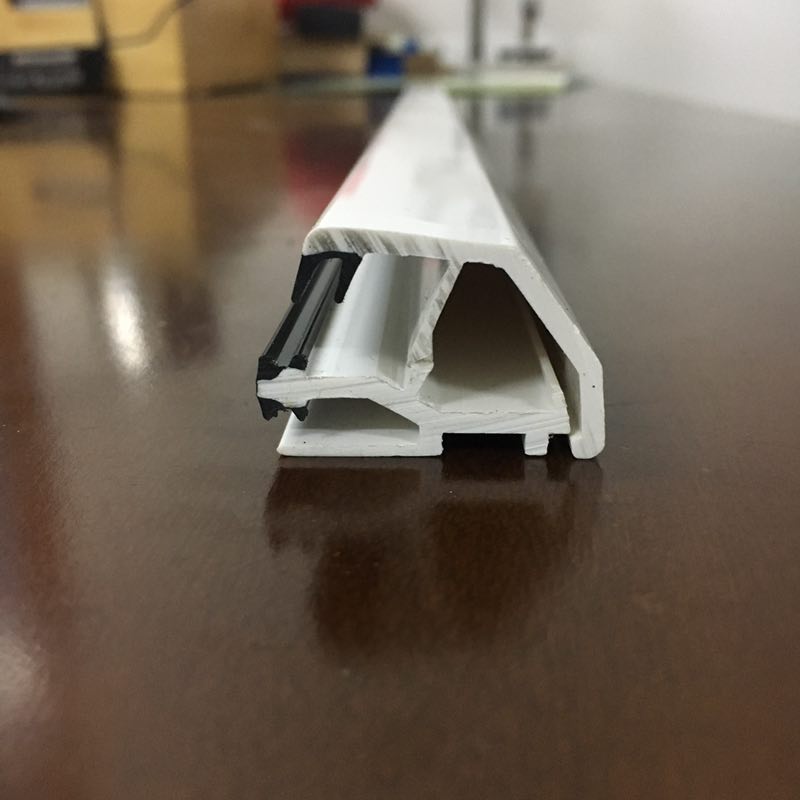
Manufacturing Process
PVC foam profiles are typically manufactured through an extrusion process. During this process, a PVC compound is heated and passed through an extruder, which incorporates a chemical blowing agent into the material. The blowing agent generates gas bubbles within the PVC, resulting in the expansion and foaming of the material. The foamed PVC is then shaped into profiles of different sizes and cross-sections, such as sheets, boards, or customized profiles.
During the extrusion process, foaming agents create small internal cells inside the material, reducing density while maintaining structural rigidity.
For custom foamed PVC, rigid PVC, flexible PVC, and soft-rigid co-extruded profiles requiring die development, material formulation, density and cross-section control, surface confirmation, cutting, and repeat production, explore our custom PVC extrusion profile manufacturing capabilities.


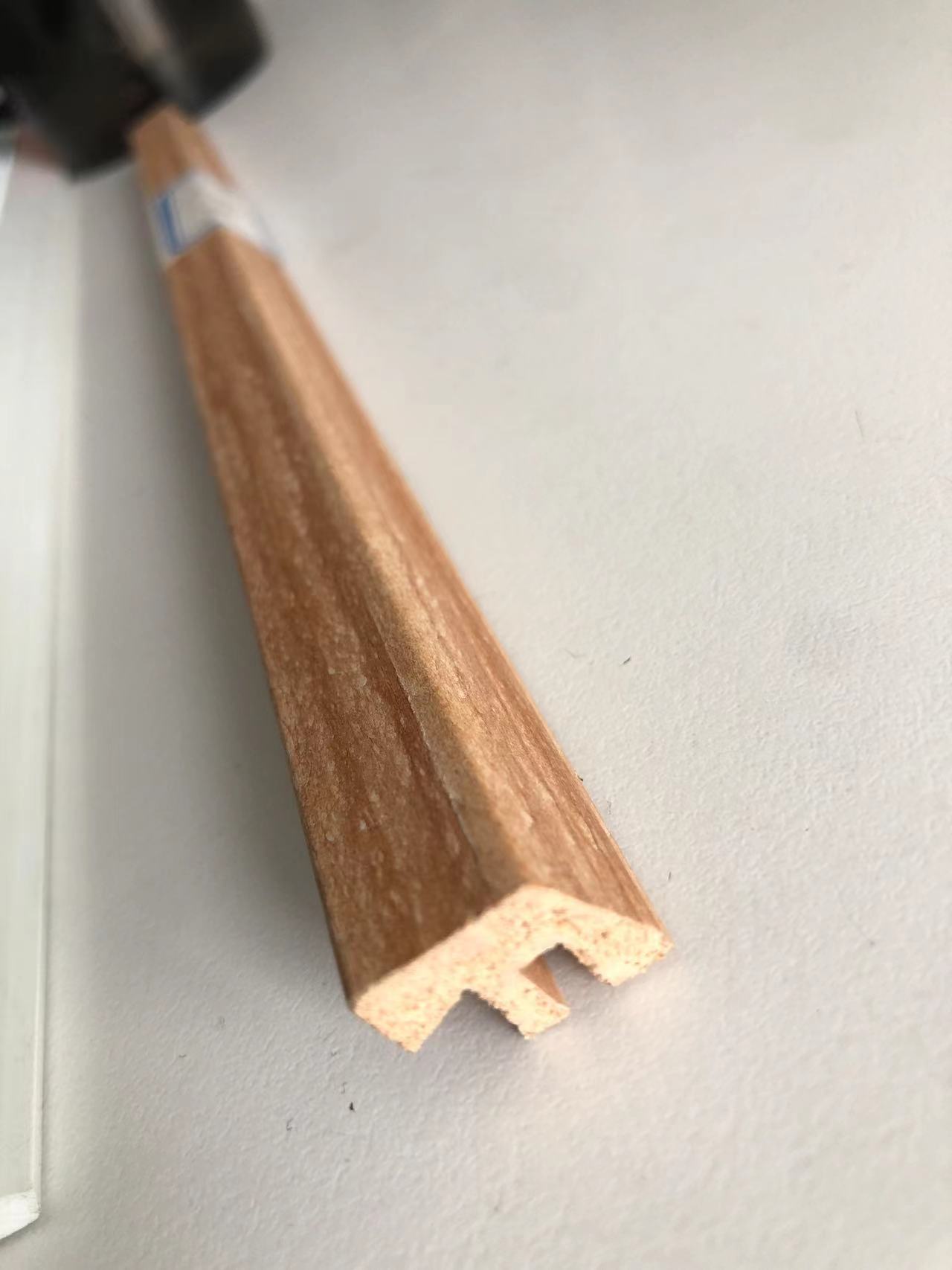
Advantages of PVC Foam Profiles
PVC foam profiles offer several advantages compared with many other plastic or wood materials.
First, they are lightweight but structurally stable, thanks to their foamed internal structure. During extrusion, foaming agents create small internal cells that reduce weight while maintaining rigidity.
Second, PVC foam profiles provide excellent moisture resistance and corrosion resistance, making them suitable for both indoor and outdoor environments.
Third, they are easy to machine and fabricate, allowing manufacturers to cut, drill, or shape the material according to project requirements.
Because of these advantages, PVC foam profiles are widely used in modern construction, advertising displays, and industrial components.
The foam structure of PVC foam profiles provides several advantages. It offers excellent insulation properties, both thermal and acoustic, making it suitable for applications where temperature or sound control is desired. PVC foam profiles also have a high strength-to-weight ratio, meaning they are lightweight yet strong and can withstand various loads and impacts. Additionally, PVC foam profiles are resistant to moisture, chemicals, and UV radiation, making them suitable for outdoor or wet environments.
Applications of PVC Foam Profiles
PVC foam profiles are widely used in many industries because they are lightweight, corrosion-resistant, and easy to fabricate. These profiles provide good dimensional stability and durability while maintaining a relatively low material weight.
Typical applications include:
- Building and construction materials such as wall cladding, decorative moldings, window frames, and door components
- Advertising and signage structures including display panels and exhibition stands
- Furniture and interior decoration components
- Industrial equipment parts that require lightweight plastic profiles
Because PVC foam profiles combine strength with lightweight structure, they are often used as an alternative to wood or solid plastic profiles.
Due to their versatility, PVC foam profiles find application in numerous industries. They are commonly used in construction for applications such as wall cladding, roofing, window frames, doors, and decorative moldings. PVC foam profiles are also utilized in the advertising and signage industry for creating displays, letters, and exhibition stands. Their ease of fabrication and installation, coupled with their durability and low maintenance requirements, contribute to their popularity in these sectors.
PVC Foam Profile vs PVC Solid Profile
PVC foam profiles and PVC solid profiles are both widely used in construction, industrial equipment, and decorative applications. However, they differ significantly in structure, weight, and performance.
PVC foam profiles contain a foamed internal structure created during the extrusion process. This structure includes many small closed cells that reduce material density while maintaining good rigidity. As a result, PVC foam profiles are lightweight and easier to handle and install.
In contrast, PVC solid profiles are made of fully dense PVC material without internal foaming. They usually provide higher structural strength and are more suitable for applications that require higher load-bearing capacity.
Because of their lighter weight, PVC foam profiles are often used for:
- interior decoration components
- advertising display structures
- wall panels and decorative moldings
- lightweight construction elements
PVC solid profiles, on the other hand, are more commonly used in applications that require higher mechanical strength, such as structural frames and heavy-duty industrial components.
Choosing between PVC foam profiles and PVC solid profiles depends on the required strength, weight limitations, and application environment.
Environmental Consideration
It’s worth noting that while PVC foam profiles offer several advantages, there are also environmental considerations associated with PVC as a material. PVC is derived from fossil fuels and can release toxic fumes when burned. Additionally, its production involves the use of chemicals that can be harmful to human health and the environment. Therefore, it’s important to consider these factors and explore sustainable alternatives when appropriate.
Looking for a Custom Plastic Profile Manufacturer?
If you are looking for a manufacturer of custom PVC extrusion profiles, you can review our PVC extrusion projects and manufacturing capabilities.
Learn more about our custom PVC extrusion profile manufacturing capabilities, including rigid PVC, flexible PVC, foamed PVC, and soft-rigid co-extrusion.
Learn more about our manufacturing capabilities:
https://ytcasting.com/service/
If you have drawings or specifications for custom plastic or rubber profiles, feel free to contact us for a quotation:
https://ytcasting.com/contact-us/


