This article compares water glass casting vs silica sol casting in terms of surface finish, cost, and dimensional accuracy.
Precision investment casting is widely used for producing complex metal parts with high precision. Among the different investment casting methods, water glass casting and silica sol casting are the two most common processes used in industrial manufacturing.
For custom stainless steel, carbon steel, and alloy steel components requiring water glass or silica sol investment casting, wax tooling, ceramic shell production, dimensional inspection, CNC machining, and surface finishing, explore our custom investment casting parts manufacturing capabilities.
Although both belong to the lost wax casting process, they differ significantly in surface finish, dimensional accuracy, cost, and suitable applications. Understanding these differences helps buyers choose the right casting process for their projects.
Difference in Ceramic Shell Binder
Both water glass casting and silica sol casting belong to the lost wax investment casting process. Their main difference lies in the binder and shell-making system used to produce the ceramic mould.
- Water glass casting: Uses sodium silicate, commonly called water glass, as the primary binder in the ceramic shell system.
- Silica sol casting: Uses colloidal silica as the primary binder for the ceramic slurry and shell layers.
Difference in Shell-Making Process
Both processes generally begin with wax-pattern production and assembly. The wax tree is repeatedly dipped into ceramic slurry and coated with refractory particles to build a multilayer shell. After drying, the wax is removed, the shell is fired, and molten metal is poured into the cavity.
The main process differences relate to the binder system, slurry formulation, shell-layer arrangement, drying and hardening method, production time, surface quality, dimensional capability, and cost.
Difference in Surface Finish and Dimensional Capability
Water glass investment casting generally provides a lower-cost solution for industrial castings where moderate surface finish and dimensional accuracy are acceptable.
Silica sol investment casting is commonly selected when the part requires a smoother surface, finer details, more complex geometry, or tighter dimensional control.

Actual casting quality still depends on wax tooling, shell preparation, pouring design, alloy control, heat treatment, machining, and inspection—not only on the selected binder system.

Difference in Production Cost
Water glass investment casting generally has a lower production cost because the shell-making materials and manufacturing cycle are usually more economical.
Silica sol investment casting normally costs more because the ceramic shell system, drying control, process time, and quality requirements are more demanding.
However, the final cost also depends on the alloy, part size, geometry, tolerance, surface-finish requirement, machining scope, tooling, inspection, and order quantity.
Comparison Between Water Glass Casting and Silica Sol Casting
| Item | Water Glass Casting | Silica Sol Casting |
|---|---|---|
| Surface Finish | Rougher | Very smooth |
| Dimensional Accuracy | Medium | High |
| Tolerance | CT7–CT8 | CT5–CT6 |
| Cost | Lower | Higher |
| Typical Materials | Carbon steel, low-alloy steel, and other castable alloys depending on project requirements | Stainless steel, carbon steel, alloy steel, and other castable alloys depending on project requirements |
| Application | Industrial machinery parts | Precision components |
There are obvious differences between the water glass casting process and the silica sol casting process in many aspects. The specific casting process to be applied needs to be determined based on the specific requirements and production conditions of the casting.
For a complete overview of casting technologies, read our Metal Casting Process Guide.
Real Manufacturing Example
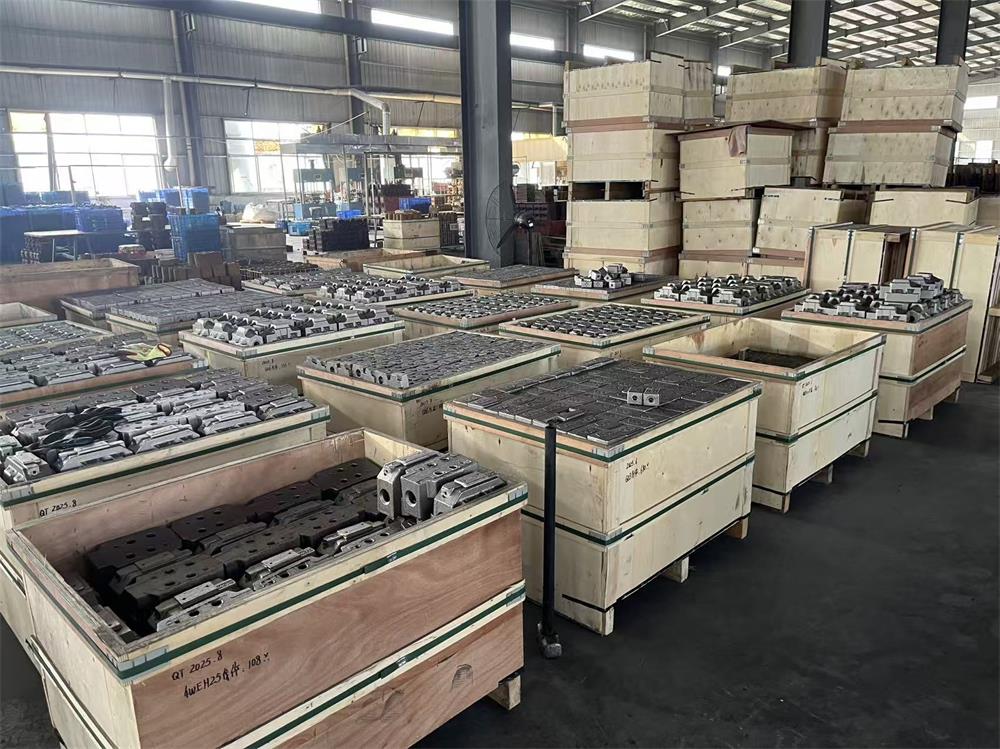
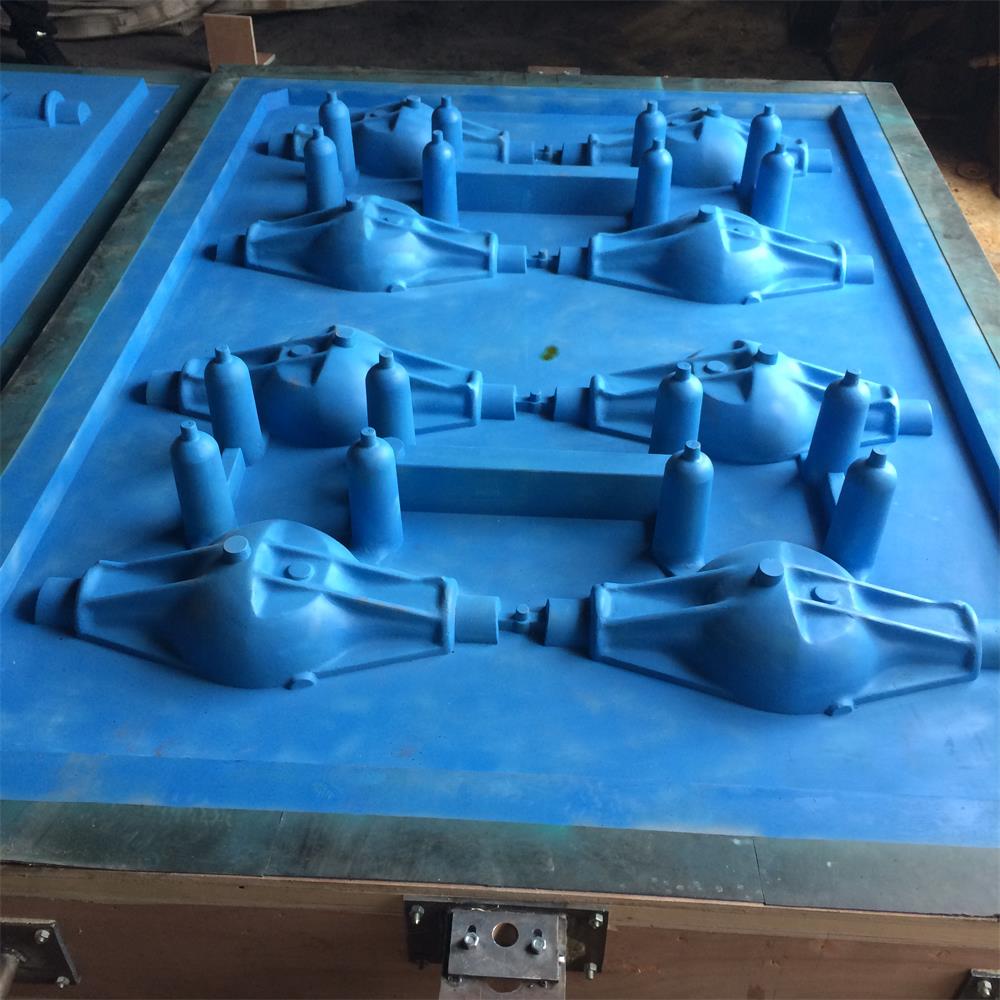
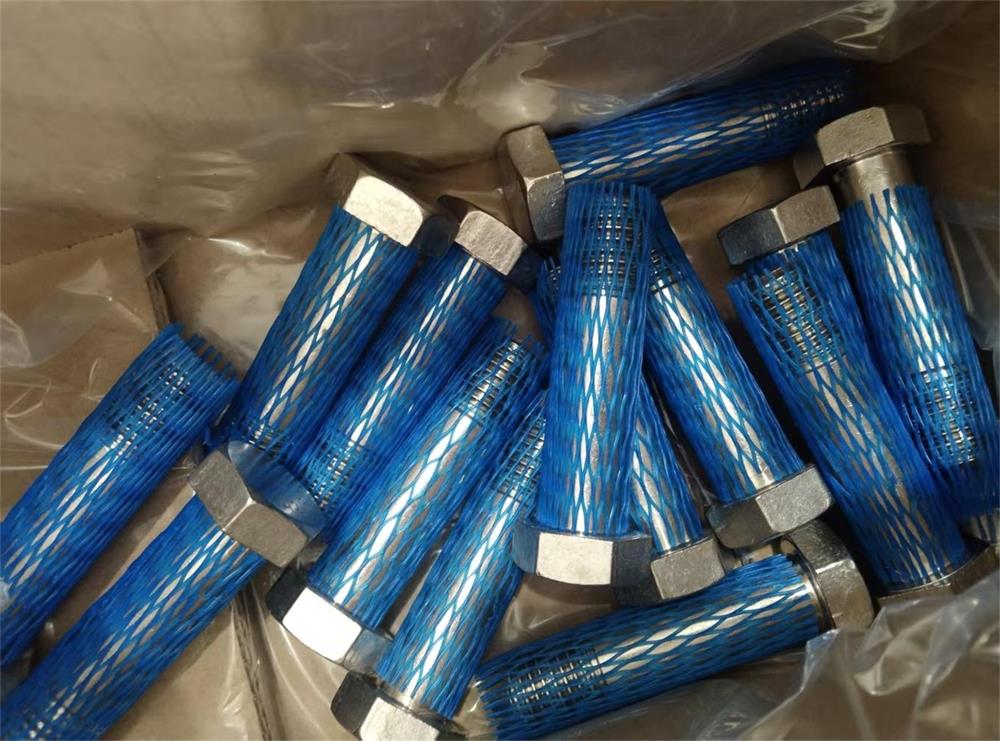
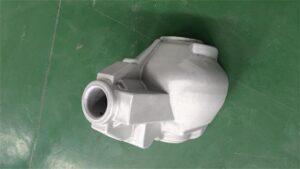
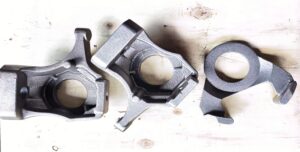
We recently completed a custom stainless steel silica sol investment casting project for an overseas client.
Need Help Choosing the Right Casting Process?
If you are unsure whether water glass casting or silica sol casting is the better option for your project, our engineering team can help evaluate your drawings and recommend the most suitable manufacturing process.
Feel free to send us your drawings or specifications for a quick quotation.