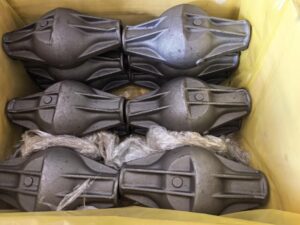
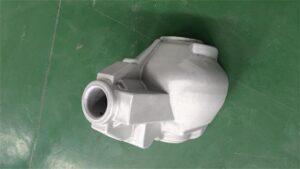
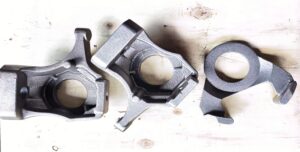
What Is Metal Vacuum Casting?
The term “metal vacuum casting” can refer to several casting methods that use vacuum at different stages of production. These may include vacuum-assisted die casting, vacuum investment casting, vacuum melting and pouring, and vacuum molding processes.
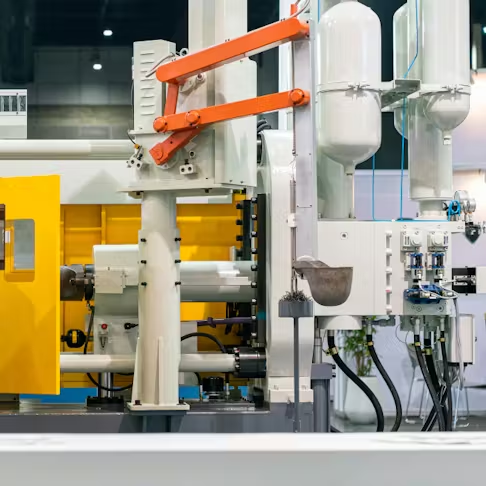
In vacuum-assisted die casting, air is evacuated from the die cavity before molten metal is injected, helping reduce air entrapment during high-speed filling. This method is commonly associated with aluminum, magnesium, and zinc alloy components.
For reactive metals, stainless steels, nickel-based alloys, or titanium alloys, vacuum or controlled-atmosphere melting and investment casting may be used to limit oxidation and control material quality.
The appropriate process must therefore be selected according to the alloy, part size, geometry, tolerance, mechanical-property requirements, production quantity, and application.
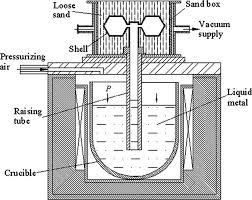
Metal Vacuum Casting Process
The vacuum casting process typically includes the following steps:
Typical Vacuum-Assisted Metal Casting Process
The exact manufacturing sequence depends on the selected vacuum casting method. For vacuum-assisted die casting, a typical process may include:
- Melting and treating the selected alloy
- Preparing, cleaning, and preheating the die
- Closing the die and evacuating air from the cavity
- Injecting molten metal under controlled pressure
- Maintaining pressure during solidification
- Opening the die and removing the casting
- Trimming, machining, surface finishing, and inspection as required
Vacuum investment casting and vacuum melting processes use different equipment and production steps, including wax-pattern and ceramic-shell preparation or vacuum furnace melting.
To compare die casting, investment casting, sand casting, gravity casting, CNC machining, and other available production routes, explore our complete custom manufacturing processes.
Potential Advantages of Vacuum-Assisted Die Casting
Reduced air entrapment: Evacuating the die cavity can help reduce gas-related porosity during filling.
Improved filling: Vacuum assistance can support the filling of thin walls and complex features when the die, gating, and injection parameters are properly designed.
Better suitability for subsequent processing: Reduced gas content may improve suitability for heat treatment, welding, or machining, depending on the alloy and casting quality.
Consistent batch production: The process can support repeat production when tooling, vacuum level, injection parameters, and inspection are properly controlled.
Actual results depend on alloy treatment, die design, vacuum efficiency, injection speed, pressure, solidification, and quality control.
Materials Used in Vacuum Casting
Materials Used in Different Vacuum Casting Processes
The suitable material depends on the specific vacuum casting method:
- Vacuum-assisted die casting: Commonly used for aluminum, magnesium, and zinc alloys.
- Vacuum investment casting or vacuum melting: May be used for stainless steel, nickel-based superalloys, titanium alloys, and other oxidation-sensitive or high-performance materials.
- Vacuum molding processes: May be used for cast iron, cast steel, and non-ferrous alloys depending on the moulding system and component design.
The alloy, process, heat treatment, machining scope, and inspection requirements should be confirmed separately for each project.
Applications of Metal Vacuum Casting
Vacuum casting is widely used in industries that require high precision and reliability.
Automotive Industry
- engine components
- transmission housings
- structural brackets
Aerospace Industry
- turbine components
- lightweight structural parts
Industrial Equipment
- pump housings
- valve components
Electronics and Machinery
- motor housings
- precision mechanical parts
Energy Equipment
- turbine components
- pump housings
Vacuum Casting vs Traditional Casting
Vacuum-Assisted Die Casting vs Conventional Die Casting
| Feature | Vacuum-Assisted Die Casting | Conventional Die Casting |
|---|---|---|
| Die Cavity | Air is evacuated before or during filling | No dedicated high-vacuum evacuation system |
| Air Entrapment | Can be reduced with effective vacuum control | More dependent on venting and overflow design |
| Equipment and Tooling | Requires additional vacuum equipment and die sealing | Generally simpler vacuum-related equipment |
| Process Cost | Usually higher | Usually lower |
The final casting quality still depends on alloy preparation, die design, gating, injection parameters, solidification, trimming, machining, and inspection.
Vacuum Casting Design Considerations
When designing parts for metal vacuum casting, several engineering factors should be considered to ensure optimal casting quality and production efficiency.
Wall Thickness
Uniform wall thickness helps molten metal flow smoothly and reduces the risk of shrinkage defects.
Draft Angles
Proper draft angles allow the casting to be removed from the mold more easily without damaging the surface.
Corner Radius
Sharp corners should be avoided. Fillets and rounded edges improve metal flow and reduce stress concentration.
Material Selection
Different alloys behave differently under vacuum casting conditions, so the correct material must be selected according to strength, corrosion resistance and application requirements.
Dimensional and Surface Requirements
Dimensional tolerance, minimum wall thickness, surface roughness, machining allowance, and maximum component size depend on the selected vacuum casting method, alloy, part geometry, tooling, equipment capacity, and inspection requirements.
Final tolerances should be reviewed drawing by drawing rather than treated as fixed values for all vacuum-cast components.
Cost Factors in Vacuum Casting
Several factors influence the cost of vacuum casting production.
Material Type
High-performance alloys such as stainless steel or aerospace alloys typically increase production cost.
Part Complexity
Complex geometries and thin walls require more advanced mold design and processing time.
Production Volume
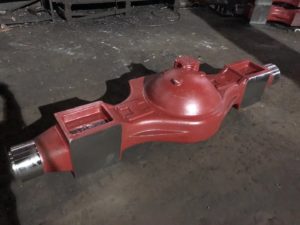
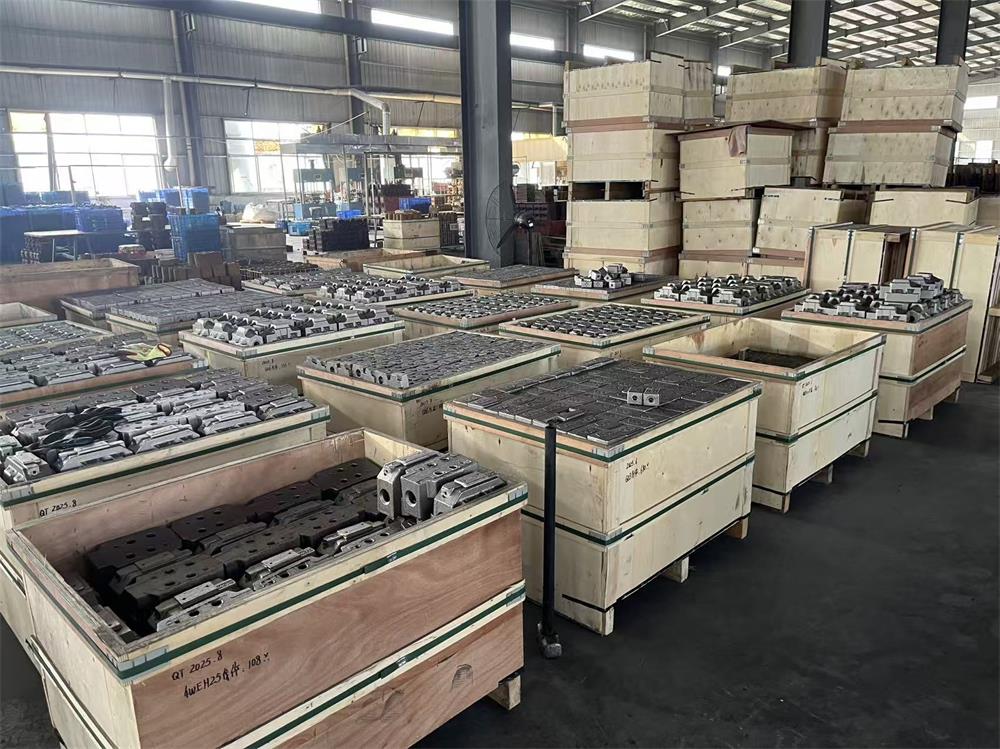
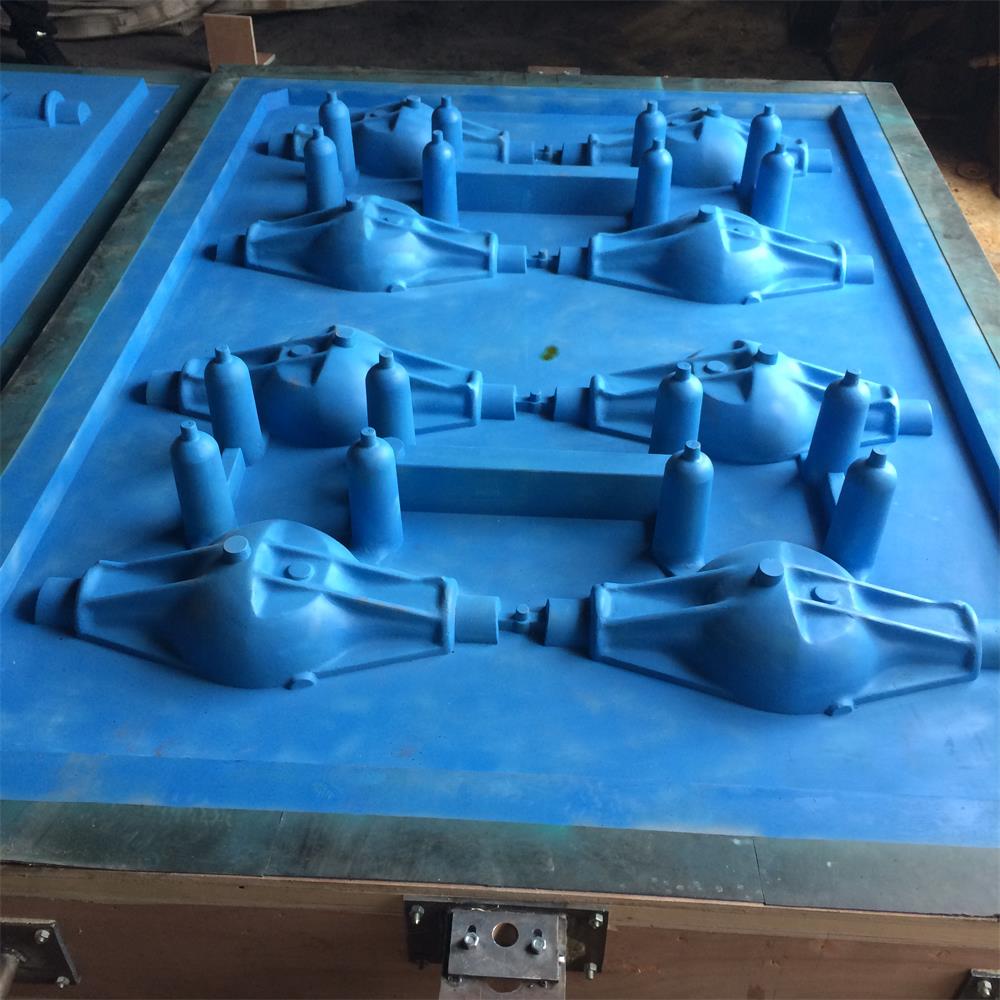
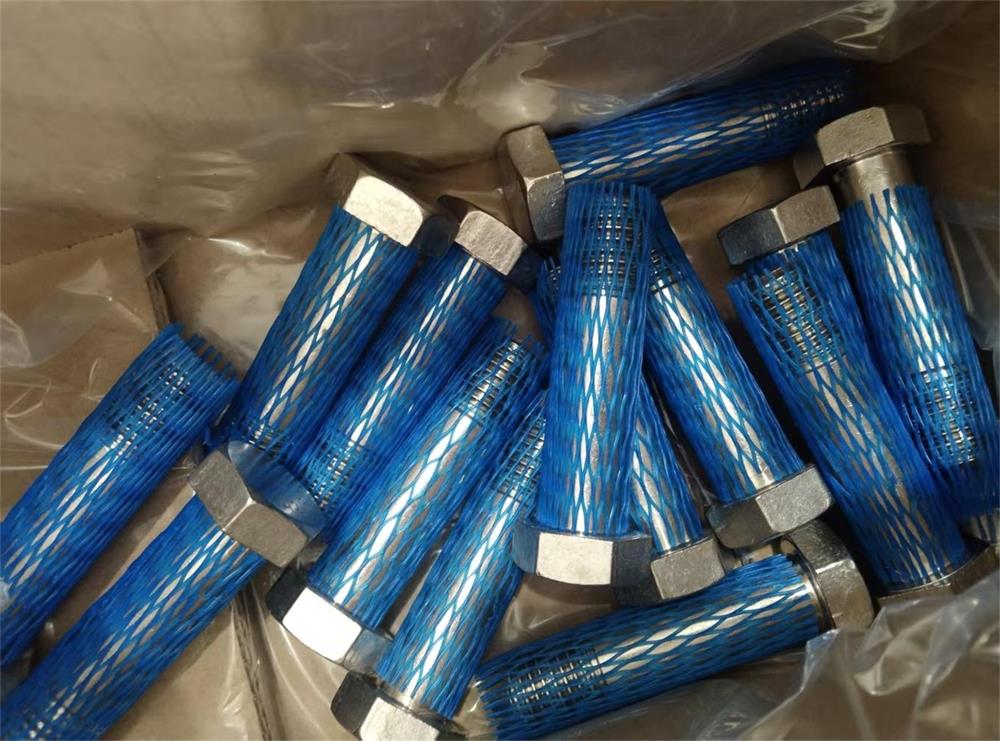
Automotive Vacuum Casting Project
The photos below show an automotive metal component produced using the confirmed vacuum-assisted casting process.
For a similar project, please provide the drawing, alloy, dimensions, production quantity, tolerance, mechanical-property requirements, and required inspection standards so that the appropriate casting method can be evaluated.
Post Processing
Machining, surface finishing or heat treatment may add additional manufacturing cost.
Understanding these cost factors helps engineers select the most suitable casting process for their project.
Frequently Asked Questions About Metal Vacuum Casting
What is the purpose of vacuum casting?
Vacuum casting removes air and gas from the mold cavity before pouring molten metal. This reduces casting defects and improves part quality.
What metals can be used in vacuum casting?
Common metals include aluminum, magnesium and zinc alloys, although other materials may be used depending on the casting process.
Is vacuum casting better than traditional casting?
Vacuum casting produces parts with lower porosity, higher precision and better surface finish, but the equipment and process cost are usually higher.
What industries use vacuum casting?
Vacuum casting is widely used in automotive, aerospace, medical and industrial equipment manufacturing where high reliability is required.
Automotive Vacuum Casting Project
The photos below show an automotive metal component produced using the confirmed vacuum-assisted casting process.
For a similar project, please provide the drawing, alloy, dimensions, production quantity, tolerance, mechanical-property requirements, and required inspection standards so that the appropriate casting method can be evaluated.
Need Custom Metal Casting Components?
If you are looking for a reliable manufacturer for custom metal casting parts, our engineering team can help evaluate the most suitable casting process based on your drawings and technical requirements.
At YT Industrial Parts, we provide multiple casting solutions including investment casting, sand casting and precision machining to meet different performance and cost requirements.
👉 Learn more about our metal casting processes:
https://ytcasting.com/metal-casting-guide/
Send us your drawings and receive a professional quotation within 24 hours.