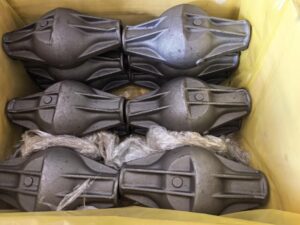
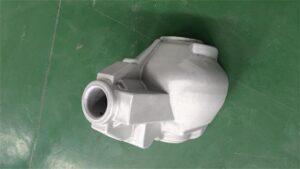
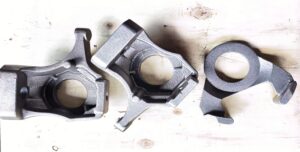
Stainless steel casting companies play an important role in modern manufacturing by producing durable and corrosion-resistant metal components for a wide range of industries. From pump and valve parts to marine hardware and industrial machinery, stainless steel castings are widely used where strength, precision, and corrosion resistance are required.
Choosing the right stainless steel casting supplier is critical. The quality of casting directly affects the performance, reliability, and service life of the final product. In this guide, we explain what stainless steel casting companies do, the materials commonly used, and how to choose a reliable manufacturer for custom casting projects.
What Do Stainless Steel Casting Companies Do?
Stainless steel casting companies manufacture metal components by pouring molten stainless steel into molds to create complex shapes and precise parts. Compared with machining from solid metal, casting allows manufacturers to produce near-net-shape components that require less material removal and lower overall production costs.
One of the most common methods used by stainless steel casting manufacturers is investment casting, also known as lost wax casting. This process enables the production of parts with excellent surface finish, tight tolerances, and complex geometries.
If you want to learn more about the process itself, you can also read our guide on lost wax casting process.
For high-precision components with complex geometry, precision investment casting is often the most suitable solution.
Common Stainless Steel Materials Used in Casting
Stainless steel casting materials should be selected according to the customer’s drawing, applicable material standard, corrosion environment, mechanical requirements, heat treatment, and machining scope.
Common cast stainless steel grades may include:
- CF8: An austenitic cast stainless steel commonly compared with wrought 304 for general corrosion-resistant applications.
- CF8M: A molybdenum-containing cast stainless steel commonly compared with wrought 316 for improved corrosion resistance.
- CF3 and CF3M: Lower-carbon cast stainless steel grades selected where the specified application requires them.
- Duplex cast stainless steels: Used for projects requiring higher strength and resistance to certain forms of corrosion.
The final alloy grade must be confirmed from the approved drawing and material specification rather than selected only by its wrought stainless steel equivalent.
Stainless Steel Investment Casting Process
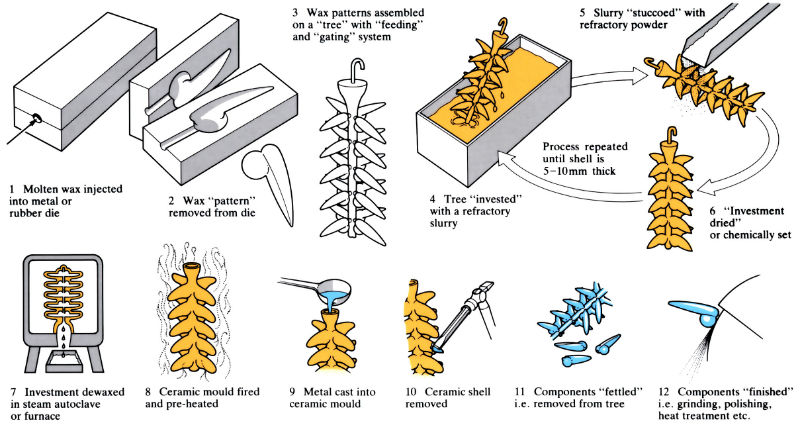
Stainless steel castings are often produced using the investment casting process, also known as lost wax casting. This manufacturing method allows the production of complex components with high dimensional accuracy and excellent surface finish.
The typical stainless steel investment casting process includes the following steps:
Wax Pattern Creation
A wax model of the final part is created using a precision mold.Assembly of Wax Tree
Multiple wax patterns are assembled onto a central wax sprue to form a casting tree.Ceramic Shell Building
The wax assembly is repeatedly dipped into ceramic slurry and coated with sand to form a strong ceramic shell.Dewaxing
The wax is melted and removed from the ceramic shell, leaving a cavity for molten metal.Molten Metal Pouring
Stainless steel is melted and poured into the ceramic mold.Shell Removal
After solidification, the ceramic shell is broken away to reveal the cast parts.Finishing and Machining
For custom stainless steel, carbon steel, and alloy steel components requiring wax tooling, silica sol or water glass investment casting, ceramic shell production, dimensional inspection, CNC machining, polishing, and repeat production, explore our custom investment casting parts manufacturing capabilities.
Parts are cut from the sprue, cleaned, and machined if required.
This process allows stainless steel casting companies to produce highly detailed components with excellent repeatability.
For high-precision components with complex geometry, the investment casting process—also known as lost wax casting—is often the most suitable solution. You can learn more about the complete lost wax casting process here.
Typical Tolerances and Surface Finish
Investment casting provides better dimensional accuracy compared with many traditional casting methods.
Typical tolerance capability for stainless steel investment casting is shown below.
| Feature | Typical Investment Casting Capability |
|---|---|
| Dimensional Tolerance | ±0.1mm – ±0.3mm |
| Surface Finish | Ra 3.2 – 6.3 µm |
| Minimum Wall Thickness | 1.5 – 3 mm |
| Maximum Part Weight | Up to 100 kg (depending on foundry capability) |
| Material Options | Stainless steel, carbon steel, alloy steel |
These characteristics make stainless steel investment casting ideal for precision industrial components.
How to Choose the Right Stainless Steel Casting Company
Choosing the right stainless steel casting manufacturer is essential for product quality and production stability.
When selecting a stainless steel casting supplier, several key factors should be considered to ensure stable quality and long-term cooperation.
1 Manufacturing Experience
An experienced stainless steel casting manufacturer is more likely to understand different material characteristics, casting techniques, and quality requirements. Long-term production experience usually results in better process control and consistent product quality.
2 Casting Process Capability
Different casting processes are suitable for different product structures. A professional supplier should be able to offer multiple solutions such as investment casting, sand casting, and machining services depending on the complexity and quantity of the part.
For high-precision components with complex geometry, precision investment casting is often the most suitable solution.
3 Quality Control System
Reliable stainless steel casting companies implement strict quality control procedures throughout production. This may include:
Chemical composition testing
Dimensional inspection
Surface defect detection
Mechanical property testing
A strong quality system ensures that the final castings meet customer specifications and international standards.
4 Engineering Support
A good casting manufacturer does more than simply produce parts. They should also provide engineering support, including design optimization, mold development, and manufacturability analysis. This helps reduce production risks and improve product performance.
5 Machining and Finishing Capabilities
Many stainless steel castings require additional machining operations such as drilling, threading, or CNC finishing. Working with a supplier that provides both casting and machining services can simplify the supply chain and improve efficiency.
When selecting a casting supplier, buyers should evaluate several factors beyond price.
| Evaluation Factor | What to Check |
|---|---|
| Manufacturing Experience | Years of casting production and industry expertise |
| Material Capability | Ability to produce different stainless steel grades |
| Quality Control | Inspection equipment and quality system |
| Engineering Support | Ability to review drawings and optimize designs |
| Machining Capability | CNC machining and finishing services |
| Export Experience | Packaging and international shipping support |
Choosing a reliable stainless steel casting manufacturer can significantly improve product quality and reduce production risks.
Applications of Stainless Steel Castings
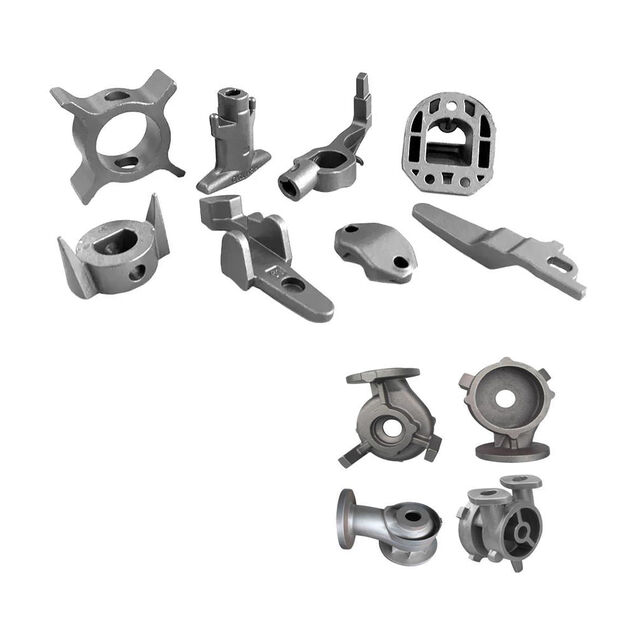
Stainless steel cast components are widely used across many industries due to their excellent corrosion resistance, strength, and durability.
Typical applications include:
Food processing equipment
These applications often require high precision and reliable mechanical performance, making stainless steel casting an ideal manufacturing solution.
Custom Stainless Steel Casting Solutions
At YT Industrial, we specialize in providing custom stainless steel casting solutions for customers worldwide. Our team supports projects from design review to mass production.
We work with experienced foundries and machining partners to deliver:
Precision stainless steel investment casting
CNC machining and finishing
Custom industrial components
Strict quality inspection
Global export delivery
Whether you need small precision parts or large industrial components, we can help you find the most suitable manufacturing solution.
Why Work With YT Industrial
YT Industrial provides custom stainless steel casting solutions for global customers across multiple industries. Our team supports projects from drawing review and mold design to casting production and final machining.
We work with reliable manufacturing partners and maintain strict quality standards to ensure that each project meets customer specifications.
Our services include:
Engineering support for custom parts
Export packaging and global delivery
If you are looking for a reliable stainless steel casting manufacturer for your project, our team will be happy to review your drawings and provide professional manufacturing solutions.
Frequently Asked Questions About Stainless Steel Casting
What is stainless steel casting?
Stainless steel casting is a manufacturing process in which molten stainless steel is poured into a mold to create complex metal components. The process is widely used in industries such as pumps, valves, automotive, marine equipment, and construction hardware.
What is the difference between investment casting and sand casting?
Common cast stainless steel grades include CF8, CF8M, CF3, CF3M, and selected duplex cast stainless steels. The appropriate grade depends on the applicable standard, corrosion conditions, mechanical requirements, and customer specification.
What stainless steel grades are commonly used for casting?
The most common stainless steel grades used in casting include 201, 304, 316, and 316L. Each material offers different levels of corrosion resistance, strength, and cost.
Can stainless steel castings be machined after casting?
Yes. Many stainless steel cast parts require CNC machining after casting to achieve precise tolerances, threaded holes, or special surface finishes.
Looking for reliable stainless steel casting companies for your project?
Send us your drawings, material requirements, and estimated quantities. Our engineering team will review your design and recommend the most suitable casting process and manufacturing solution.
Request a Quote for Stainless Steel Casting
If you need custom stainless steel cast parts, please feel free to contact us with your drawings, material requirements, and estimated quantities.
Our engineering team will review your project and provide a detailed quotation along with suitable manufacturing recommendations.
You can also explore our complete guide to metal casting processes to understand different casting technologies and their industrial applications.