

A long-term customer from the United States has purchased three regular needle bearing sizes from us for nearly 20 years, including 9/16″, 7/8″, and 3/4″ models. These bearings are used in their existing industrial applications and have been repeatedly ordered for many years.
Recently, the customer wanted to improve the corrosion resistance of the bearings while keeping the original bearing structure and application compatibility. Based on their requirement, we developed an upgraded sample solution: the outer ring and cage are treated with zinc-nickel coating, while the needle rollers are changed to 440C stainless steel.
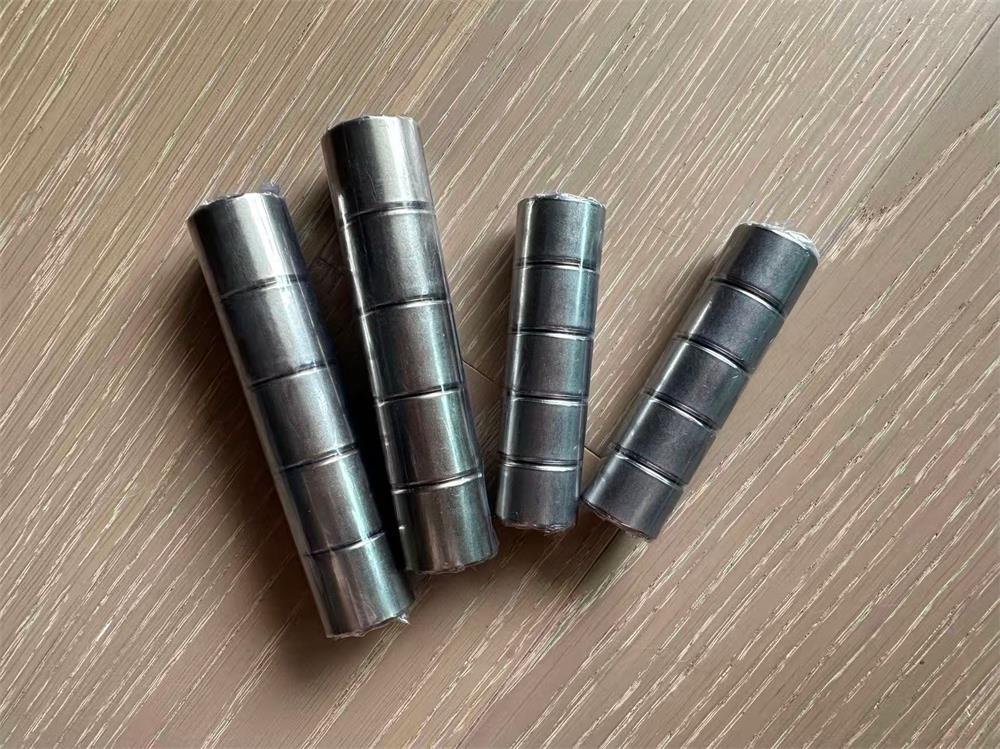
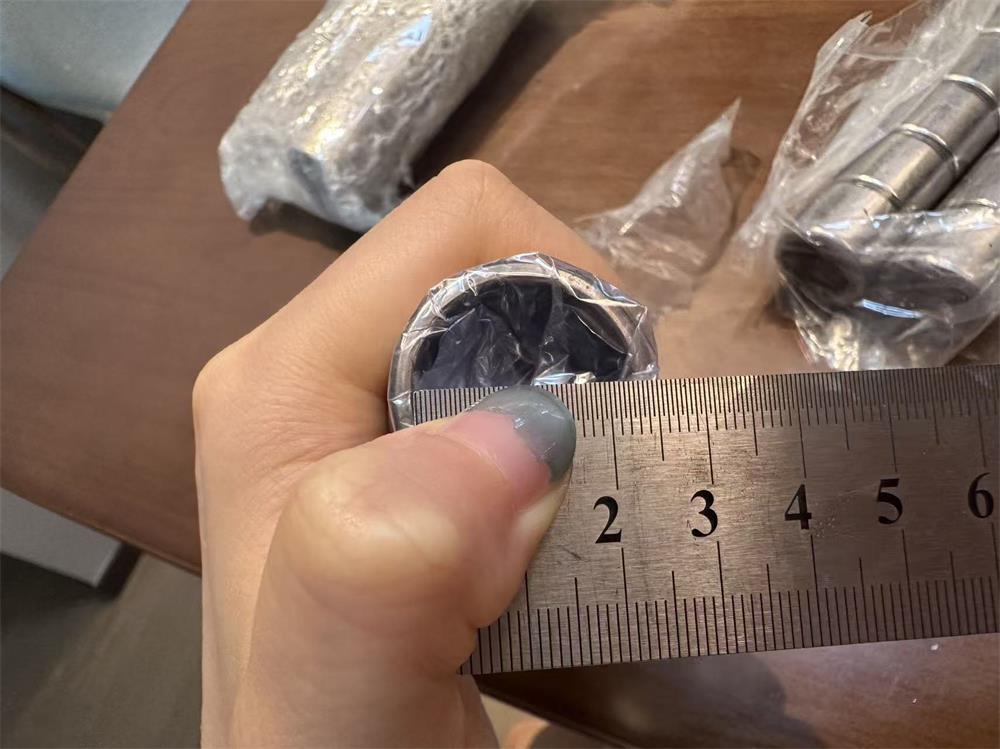
For this sample order, we produced 20 pcs of 7/8″ bearings and 20 pcs of 3/4″ bearings for the customer’s application testing.
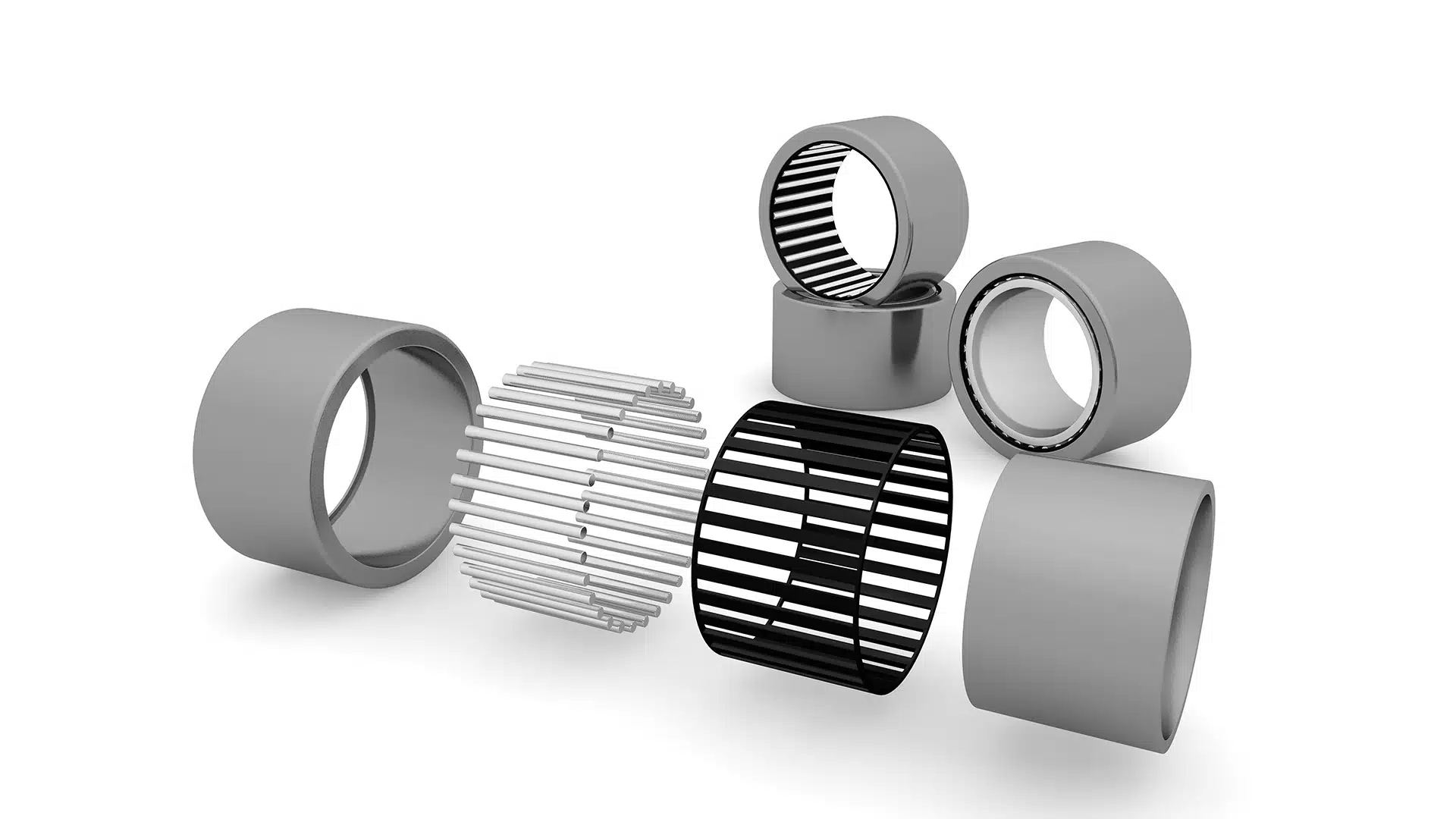
Bearing Structure
This needle bearing consists of three main components:
Outer ring – made from 20# carbon steel
Cage – made from ST14 steel
Needle rollers – made from 440C stainless steel
The upgraded design keeps the original bearing dimensions while improving the corrosion resistance of the exposed metal parts.
Manufacturing Process
For the outer ring, the process includes material purchase, material cutting, stamping, heat treatment, assembly, edge rolling, and appearance finishing.
For the cage, the process includes material purchase, material stretching, machining, slot stamping, deburring, phosphating, and assembly.
For the 440C stainless steel needle rollers, the process includes material cutting, deburring, roller grinding, and final assembly.
The zinc-nickel coating is applied to the outer ring and cage before final assembly.
For bearing components requiring stamping, cage forming, heat treatment, precision grinding, surface coating, assembly, and dimensional inspection, explore our custom precision metal parts manufacturing capabilities.
Sampling Challenge and Solution
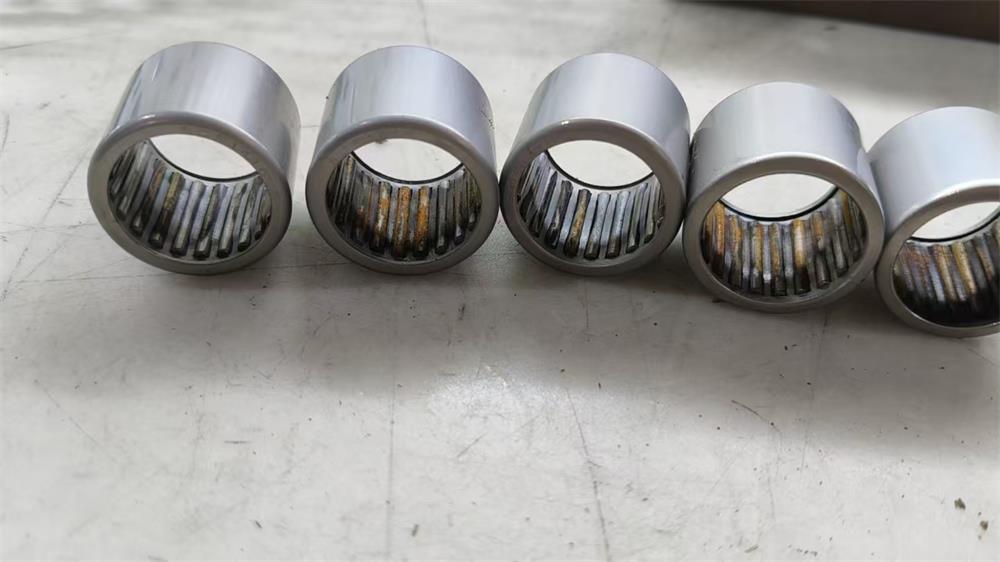
During the first sampling trial, the complete bearing assembly, including the 440C stainless steel needle rollers, was sent for zinc-nickel coating. However, the coating process required acid pickling before plating. After this pretreatment, rust spots appeared on the 440C needle rollers.
To solve this issue, we adjusted the production process. New needle rollers were manufactured and ground again, while the outer rings and cages were treated separately with zinc-nickel coating before assembly. After this adjustment, the sample production was completed successfully.
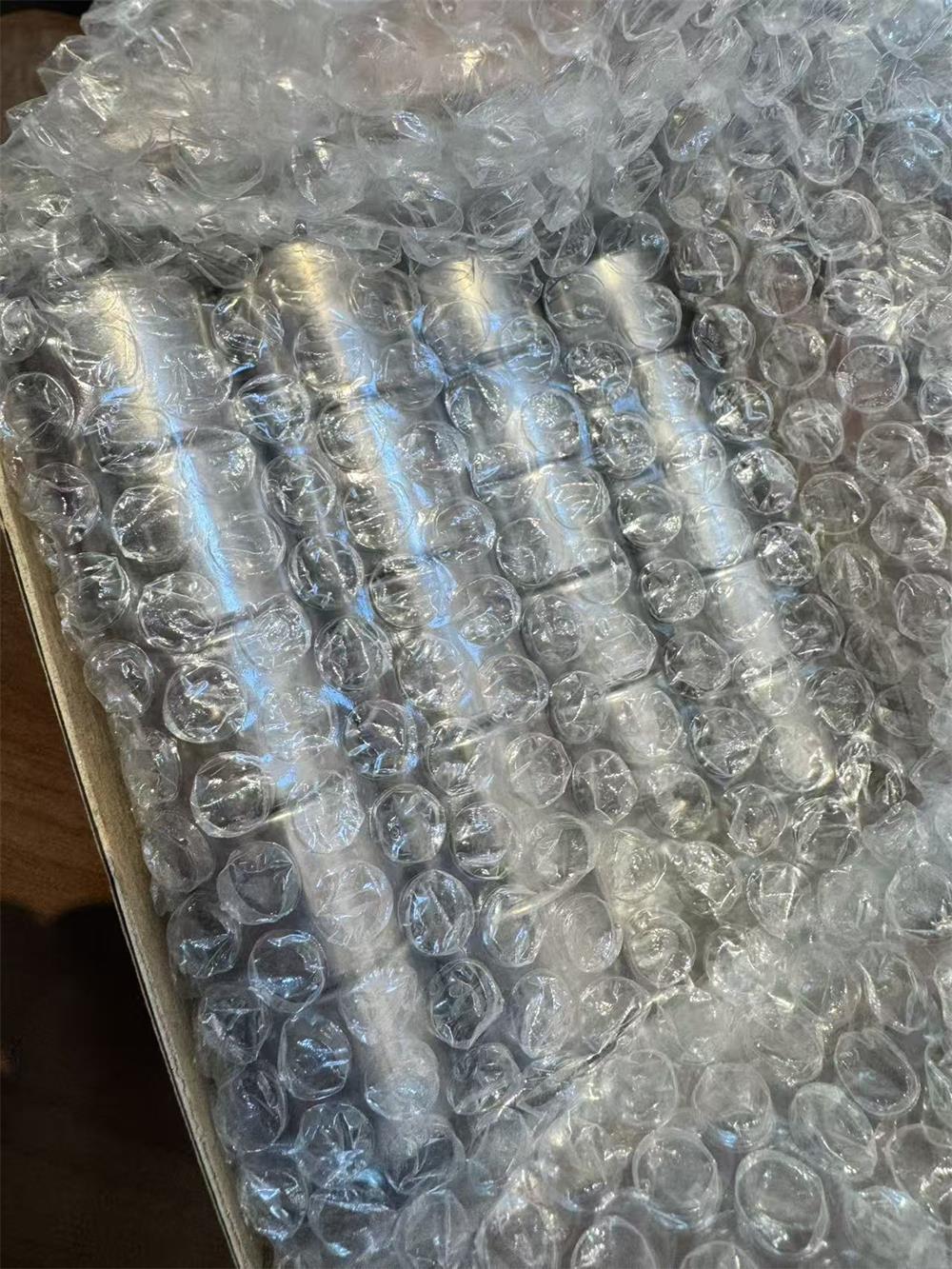
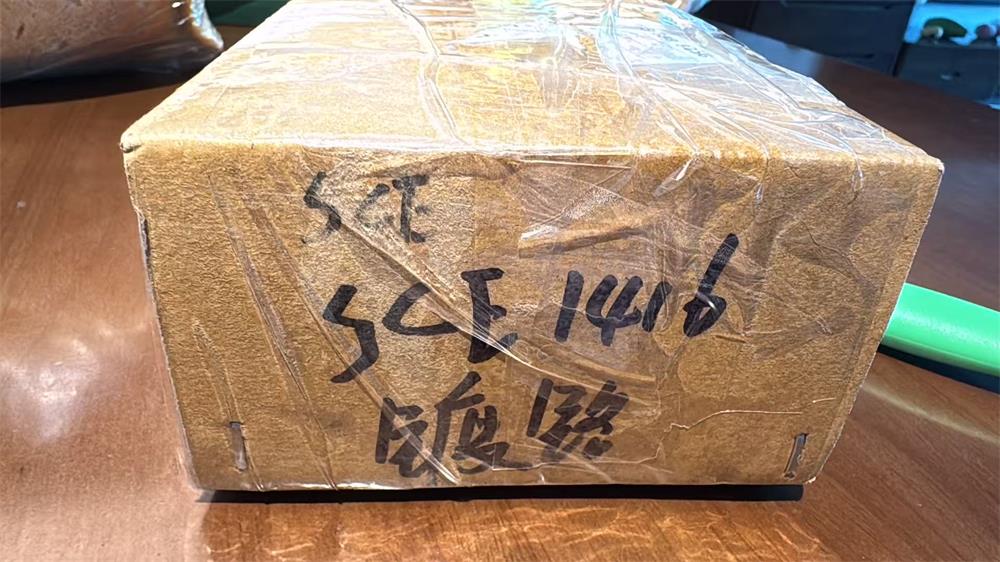
The finished samples were packed and shipped to the customer for application testing.
Why Zinc-Nickel Coating Was Selected
Compared with regular zinc plating, zinc-nickel coating offers better corrosion resistance and is suitable for applications where standard bearing surfaces may not be durable enough. In this project, the customer wanted to improve anti-corrosion performance without changing the original bearing structure too much.
For more background about this bearing upgrade, we also prepared related technical articles:
Corrosion-Resistant Needle Bearing
Zinc vs. Zinc-Nickel vs. Stainless Steel Bearings
How to Choose Corrosion-Resistant Bearings
These articles explain the material selection, coating comparison, and corrosion-resistant bearing options in more detail.
Project Summary
This project was not only a regular bearing sample order, but also a corrosion-resistance improvement project for a long-term customer. By changing the roller material to 440C stainless steel and applying zinc-nickel coating to the outer ring and cage, we helped the customer test a more durable bearing solution for their future orders.
For OEM projects involving bearings together with custom shafts, pins, housings, fasteners, plastic cages, rubber seals, surface treatments, or assembled components, explore our broader custom industrial parts manufacturing capabilities.


