General
This was a new automotive replacement-part project developed for a customer in Australia.
Project Overview
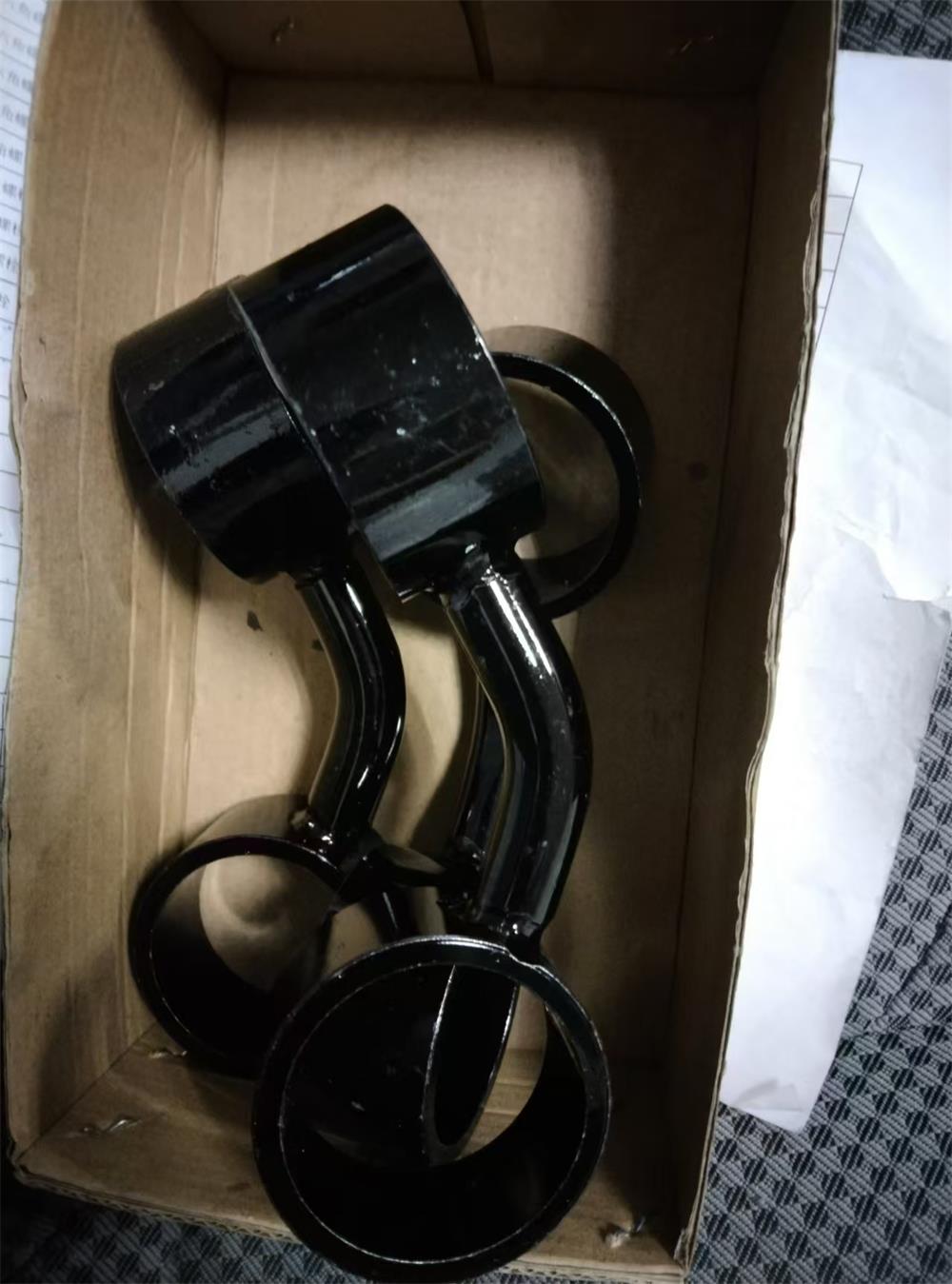
This project involved the production of sway bar link replacement parts for an automotive customer in Australia.
A total of 500 pieces were produced. Before mass production, three samples were manufactured and sent to the customer for approval to verify dimensions and assembly.
For OEM projects involving fabricated and machined metal parts together with fasteners, rubber components, plastic parts, surface treatments, welding, or complete assemblies, explore our broader custom industrial parts manufacturing capabilities.
Product Structure
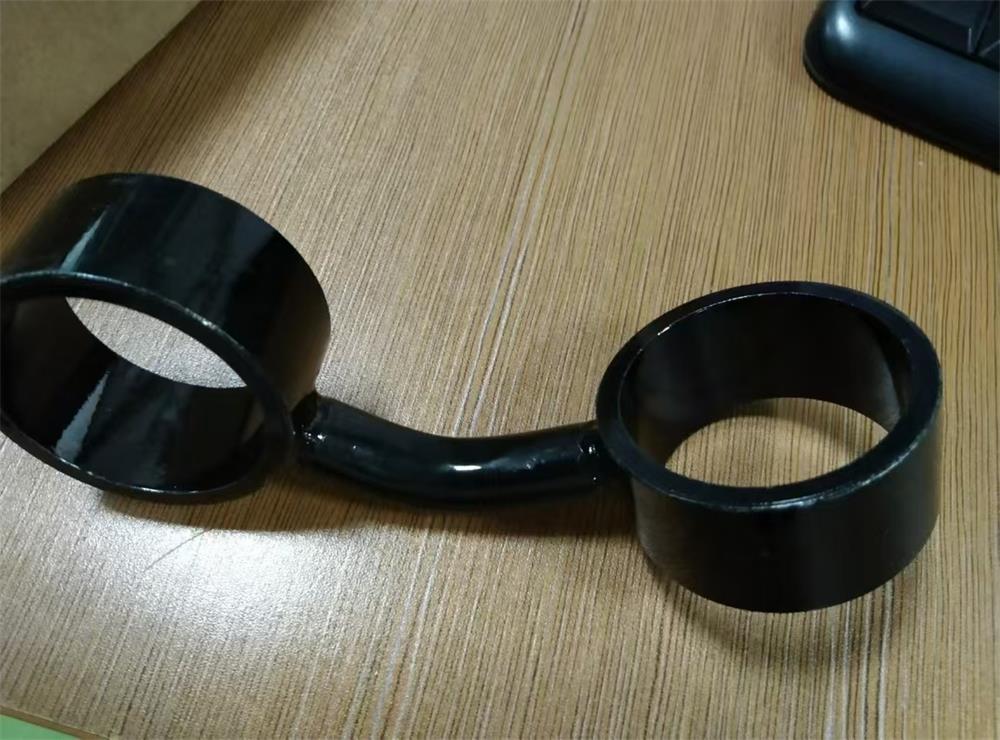
The sway bar link assembly consists of:
- one steel rod
- two housings
- welded assembly structure
This design provides reliable strength and durability for automotive suspension systems.
Surface Treatment
The components were finished with:
- black surface treatment
- electro-galvanization coating
These treatments help improve corrosion resistance and extend service life in automotive environments.
Quantity
The total order quantity was 500 pieces. Three samples were produced and sent to the customer for dimensional and assembly approval before mass production.
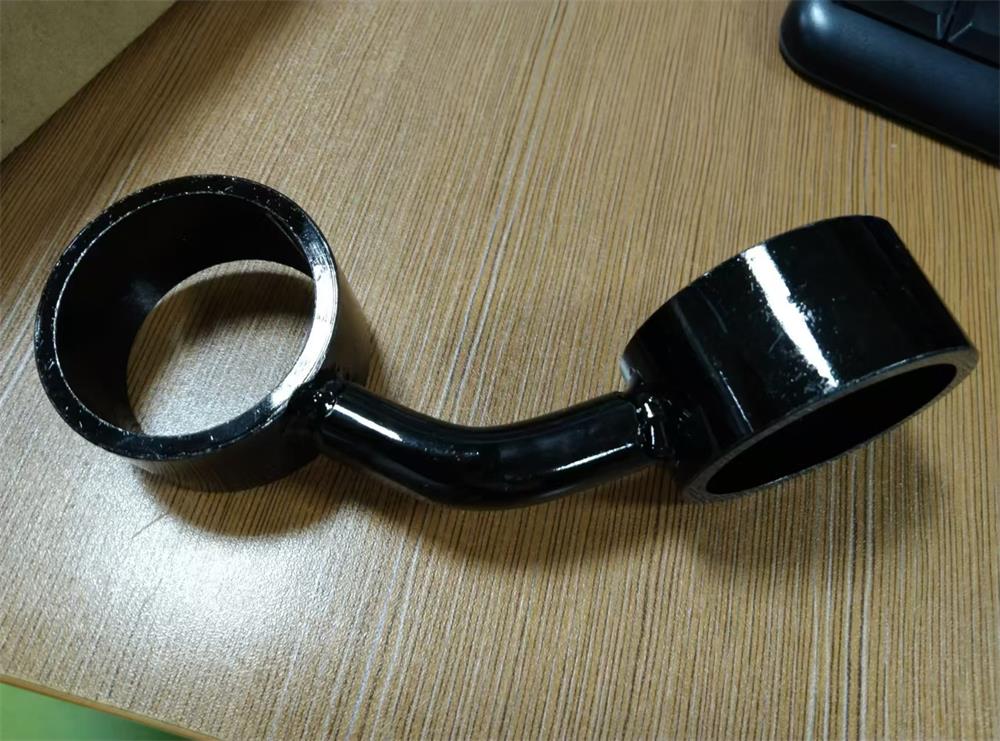
Assembly
Each sway bar link consists of one steel rod and two machined housings, which were positioned and welded together to form the final assembly.
Surface
Black, Electro Galvanization
Process
Rod:
A larger-diameter straight steel tube was selected and machined to create the required rod profile.
We also evaluated using a thinner tube followed by bending. Although this option could reduce material usage, it would require higher tooling and forming costs, so machining from a larger tube was selected as the more practical solution.
Housing:
The housings were produced from steel tube and precision machined to the required dimensions and assembly fit.
Welding:
After we got all the assemblies, we welded them together.
For custom automotive suspension components requiring rod machining, housing machining, forming, welding, surface treatment, and dimensional inspection, explore our custom precision metal parts manufacturing capabilities.
What is the Difference Between Electrophoresis and Electroplating?