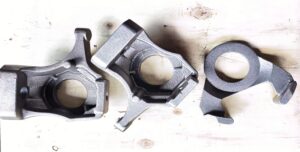
What Is Plastic Injection Mold Making?
Plastic injection mold making refers to the design and manufacturing of molds used in plastic injection molding production. The mold forms the shape of the final plastic part and determines the dimensional accuracy, surface quality and production efficiency.
During the injection molding process, plastic resin is melted and injected into the mold cavity where it cools and solidifies into the final product shape.
High-quality mold design is critical because it directly affects product consistency, cycle time and manufacturing cost.
Injection mold making plays a critical role in the production of high-precision plastic components used in industrial applications.
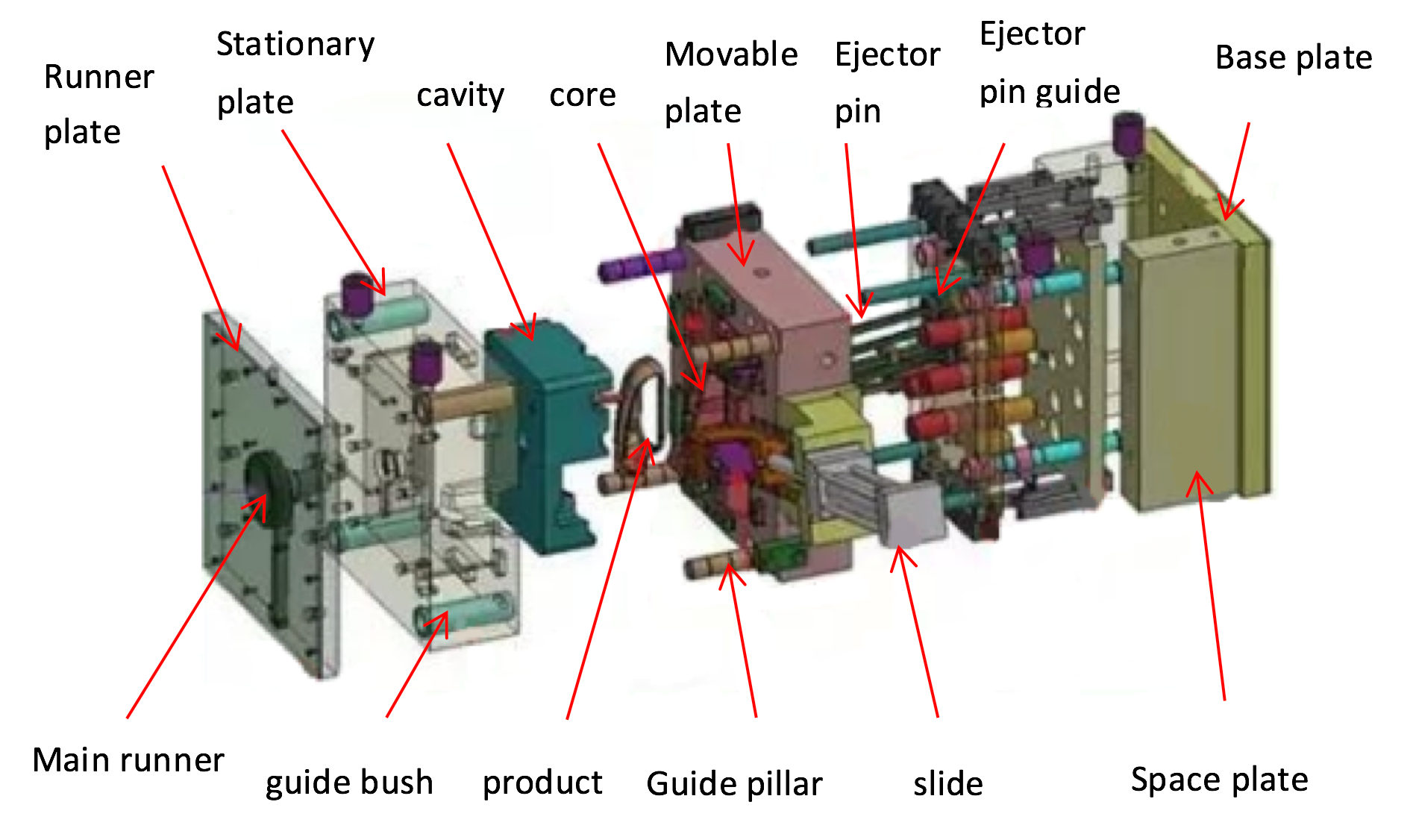
Plastic Injection Mold Making Process
The mold manufacturing process typically includes several steps:
Product design and mold design
Mold structure engineering
CNC machining of mold components
Electrical discharge machining (EDM)
Mold assembly
Mold testing and trial production
The video shows the automated plastic injection molding production used for our custom plastic water pan project for an overseas customer.
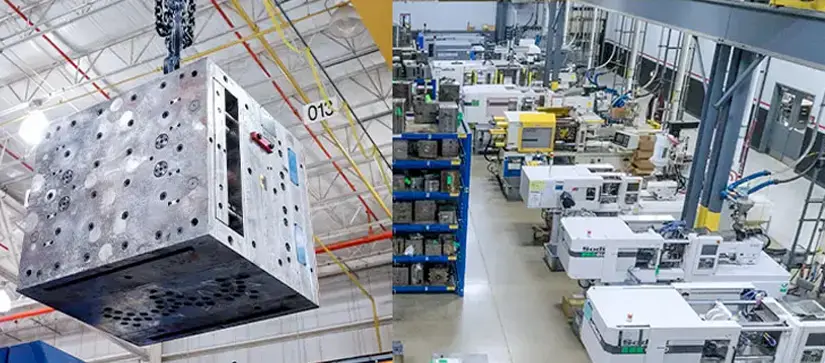
Once the mold is completed, it can be installed in an injection molding machine to produce large quantities of identical plastic parts with high repeatability.
For custom plastic components requiring product review, mould design and manufacturing, material selection, trial production, injection moulding, dimensional inspection, and repeat batch production, explore our custom plastic injection moulding capabilities.
Materials Used for Injection Molded Components
For the project shown on this page, the plastic components were produced using a BASF engineering plastic selected according to the customer’s application and performance requirements.
Depending on the selected grade, engineering plastics may provide benefits such as ageing resistance, UV resistance, mechanical strength, heat resistance, and dimensional stability.
The final material should be confirmed according to the part structure, operating environment, temperature, load, colour, surface requirements, and applicable customer specifications.
These materials provide several advantages:
excellent anti-aging performance
strong UV resistance
high mechanical strength
stable performance in outdoor environments
High-quality engineering plastics from suppliers such as BASF are widely used in industrial applications where long service life and environmental resistance are required.
Advantages of High-Quality Injection Mold Making
High-quality mold design provides several important advantages:
1 High Precision
Well-designed molds produce parts with consistent dimensions and tight tolerances.
2 High Production Efficiency
Injection molding can produce thousands or even millions of identical parts once the mold is created.
3 Complex Part Design
Injection molding allows the production of complex plastic geometries and detailed features.
4 Reduced Manufacturing Cost
Although mold tooling requires an initial investment, the cost per part becomes very low for high-volume production.
High-performance engineering plastics such as BASF materials can significantly improve aging resistance, weather resistance and long-term mechanical stability.
Material Performance Comparison: BASF Engineering Plastic vs Standard Plastics
In many industrial applications, the performance of plastic components depends greatly on the material used. High-performance engineering plastics supplied by BASF provide significantly better durability compared with standard plastics.
Material Selection for Injection Molded Components
For the Houston project shown on this page, the plastic components were produced using a BASF engineering plastic selected according to the customer’s application and performance requirements.
Depending on the selected grade, engineering plastics may provide benefits such as ageing resistance, UV resistance, mechanical strength, heat resistance, and dimensional stability.
The final material was confirmed according to the part structure, operating environment, temperature, load, colour, surface requirements, and the customer’s approved specification.
Applications of Injection Molded Components
Plastic components manufactured with high-performance materials are widely used in industries that require long service life and environmental durability.
Typical applications include:
Outdoor equipment components
Automotive parts
Industrial equipment housings
Electrical and electronic components
- Medical Equipment
Injection Mold Making vs CNC Machining
| Feature | Injection Mold Making | CNC Machining |
|---|---|---|
| Production Volume | High-volume production | Low to medium volume |
| Unit Cost | Low for mass production | Higher per part |
| Design Complexity | Complex plastic parts | Limited by machining |
| Tooling Cost | High initial mold cost | Low tooling cost |
Injection Mold Design Considerations
When designing an injection mold, engineers must consider several technical factors:
Gate location
Cooling system design
Mold flow analysis
Draft angles
Part shrinkage
Proper mold design helps improve product quality and reduce manufacturing defects.
Injection Mold Cost Factors
The cost of plastic injection mold making depends on several technical and production factors. Understanding these factors helps manufacturers optimize design and control production cost.
Mold Complexity
Complex product structures require more machining operations, which increases mold manufacturing time and cost.
Mold Material
Different mold materials such as P20 steel, H13 tool steel or stainless mold steel have different hardness, durability and price levels.
Number of Cavities
Multi-cavity molds can produce multiple parts per cycle, improving production efficiency but increasing initial mold cost.
Surface Finish Requirements
Polishing, texturing or special surface treatments may increase the tooling cost.
Although mold tooling requires an initial investment, injection molding remains one of the most cost-effective manufacturing processes for high-volume plastic production.
Injection Mold Design Tips
Proper mold design plays a critical role in achieving high-quality injection molded products.
Uniform Wall Thickness
Consistent wall thickness helps ensure proper plastic flow and prevents warping or sink marks.
Proper Draft Angles
Draft angles allow the molded part to be easily released from the mold without damaging the surface.
Gate Design
The gate location affects material flow, cooling efficiency and final product quality.
Cooling System Design
Efficient cooling channels help reduce cycle time and improve dimensional stability.
Careful consideration of these design factors helps improve production efficiency and ensures consistent product quality.
Frequently Asked Questions About Injection Mold Making
What is injection mold making?
Injection mold making is the process of designing and manufacturing molds used in plastic injection molding production.
How much does injection mold making cost?
Injection mold costs can range from $1,000 to more than $100,000 depending on mold complexity, material and size.
How long does it take to make an injection mold?
The typical mold manufacturing time ranges from 3 to 8 weeks, depending on design complexity.
What materials are used for injection molds?
Common materials include tool steel, stainless steel and aluminum alloys.
What materials are commonly used for high-performance injection molded parts?
High-performance injection molded parts are often made from engineering plastics supplied by companies such as BASF, including materials designed for high strength, UV resistance and long-term aging performance.
Plastic Injection Mold Making for our Houston Client
The injection-moulded component was produced using a BASF engineering plastic according to the customer’s confirmed material and performance requirements.
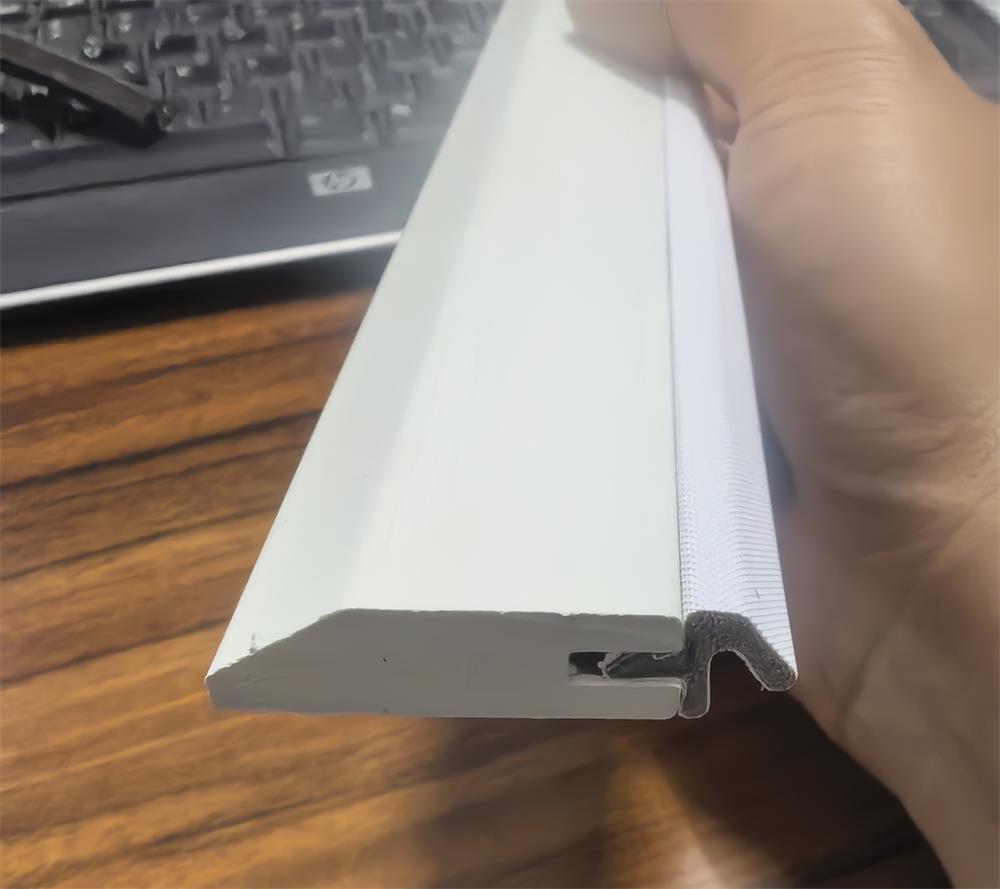
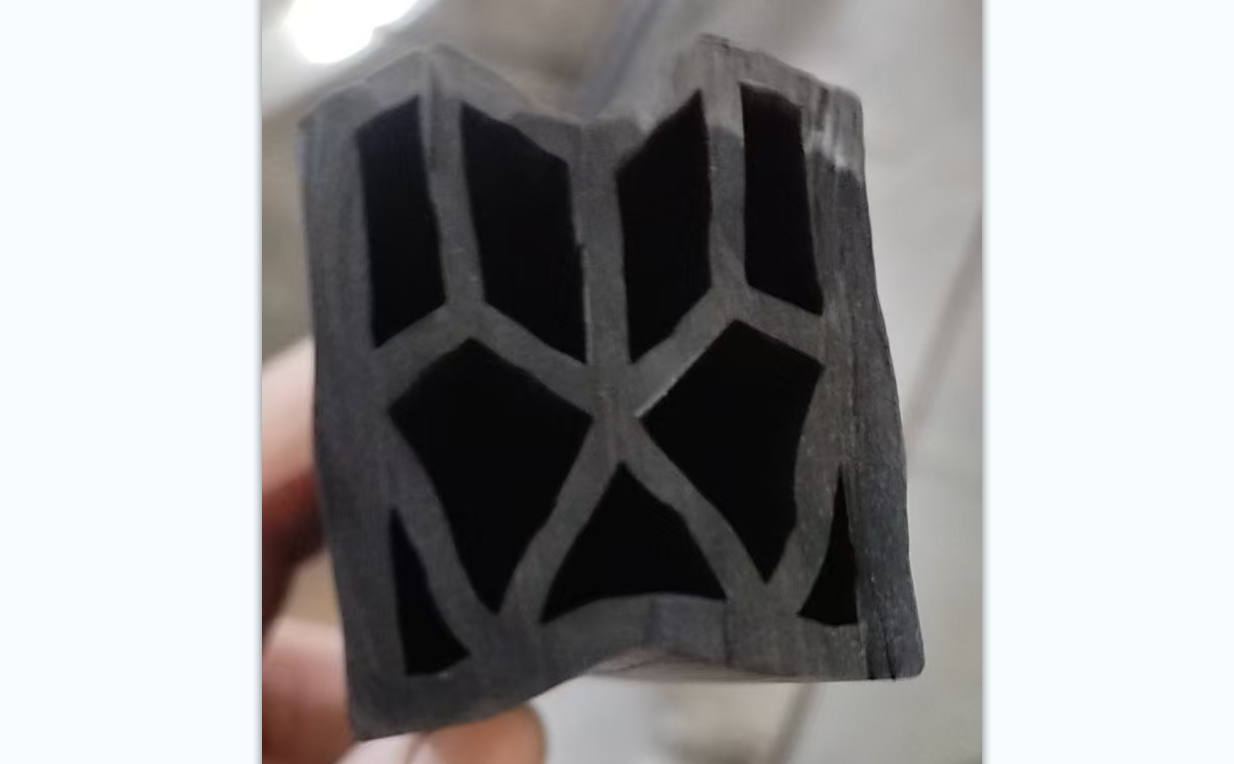
The flexible component shown in the photos was used as a matching sample for fit and assembly evaluation and was not the production material for the injection-moulded part.
Project Highlight
For this Houston project, the injection mould was developed according to the customer’s approved product design, BASF engineering plastic specification, dimensions, and assembly requirements.
The mould components were produced using CNC machining and EDM, followed by mould assembly, trial production, sample inspection, and customer approval before batch manufacturing.
Need Custom Plastic Injection Mold Making?
If you are developing a new plastic product, choosing the right injection mold design and manufacturing process is critical for product quality, production efficiency and long-term reliability.
At YT Industrial Parts, we provide complete plastic manufacturing solutions, including:
- Plastic injection mold design and tooling
- Custom plastic injection molding production
- CNC precision machining for mold components
- Engineering support for product development
Our engineering team can help evaluate your drawings and recommend the most suitable manufacturing solution for your project.
👉 Learn more about our manufacturing capabilities:
https://ytcasting.com/service/
Or explore one of our real projects here:
https://ytcasting.com/project/custom-plastic-water-pans/
Send us your drawings, material requirements, expected quantity, surface specifications, and application details. We will review the project and respond with the next technical or quotation steps as soon as possible.