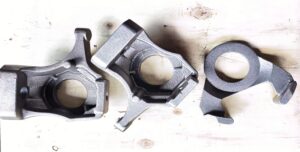
Sand Casting Production Site
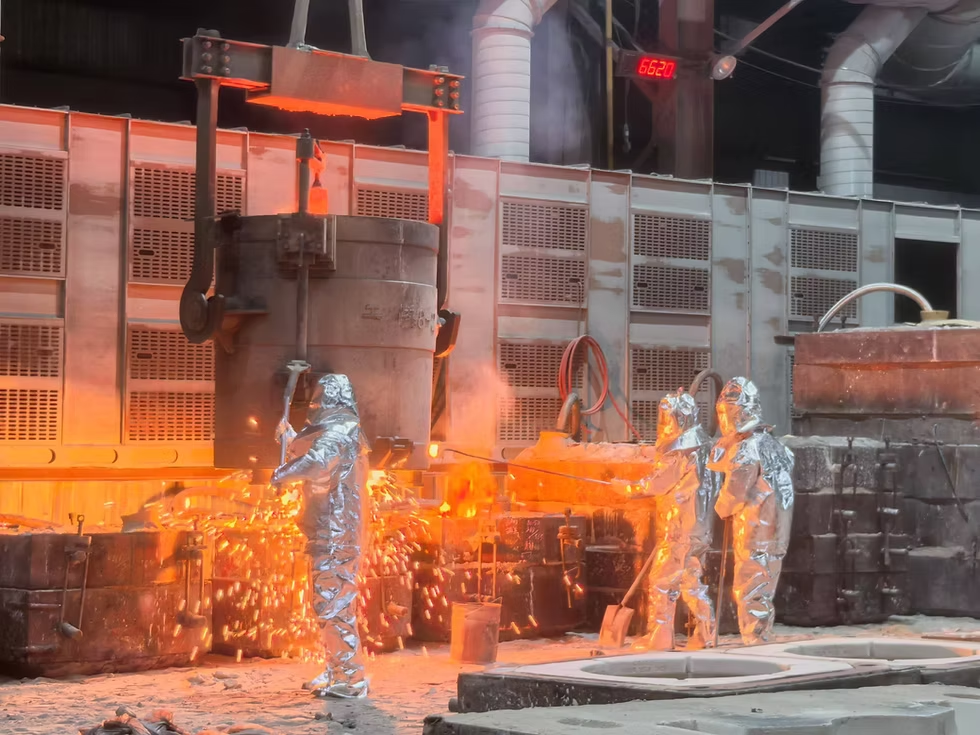
Sand casting is one of the most widely used metal casting processes in manufacturing. In a sand casting foundry, molten metal is poured into a sand mold where it cools and solidifies to form the final metal component.
This process is commonly used to produce industrial components such as pump housings, valve bodies and machinery parts.
You can also read our complete guide to metal casting processes to learn more about different casting technologies used in industrial manufacturing.
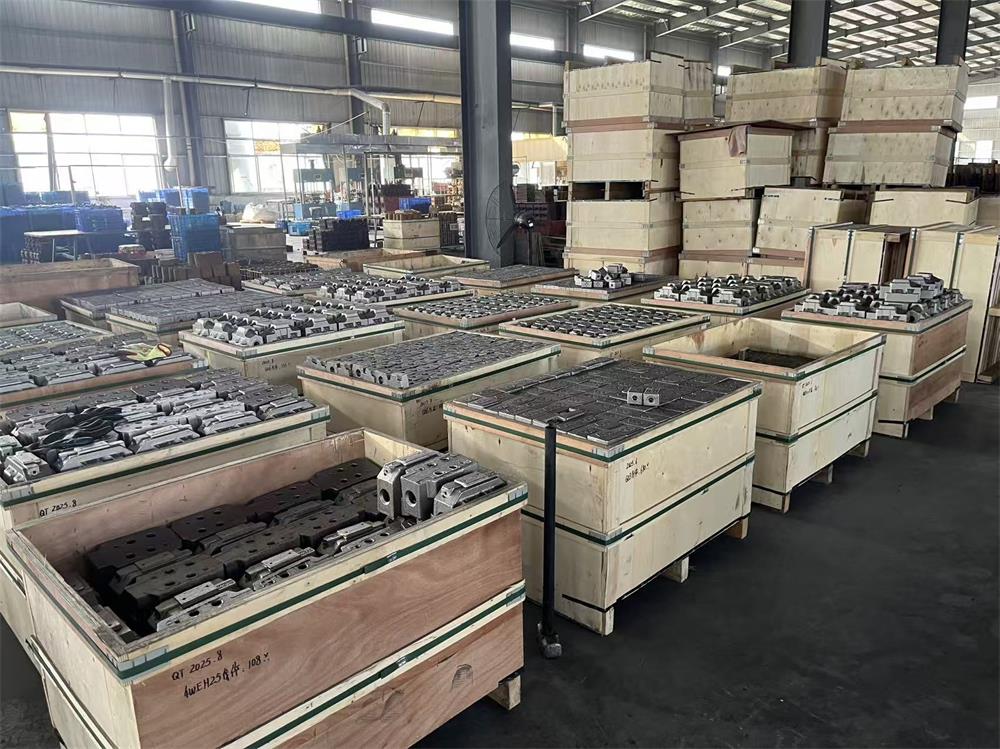
Sand casting production sites in modern foundries include molding, melting, pouring and finishing operations used to manufacture industrial metal components.
Main Steps in Sand Casting Production
Typical sand casting production in a foundry includes several key steps:
Pattern making
Sand molding
Core making
Molten metal pouring
Cooling and solidification
Casting cleaning and finishing
These steps can be used to manufacture metal parts with different sizes and geometries across prototype, small-batch, and repeat-production requirements.
Sand Molding Process in Foundry Production
In the sand molding stage, molding sand is packed around a pattern to create the mold cavity. Once the pattern is removed, molten metal can be poured into the mold through a gating system.
Proper sand preparation and mold assembly are essential to ensure casting quality and dimensional accuracy.
Applications of Sand Casting
Sand casting production is widely used for manufacturing:
• hydraulic valve bodies
• pump housings
• machinery components
• automotive parts
• agricultural equipment components
The flexibility and low cost of sand molds make this process suitable for many industrial products.
For OEM projects involving sand castings, machined housings, valve and pump components, fabricated parts, fasteners, plastic or rubber components, and related assemblies, explore our custom industrial parts manufacturing capabilities.
Site Picture
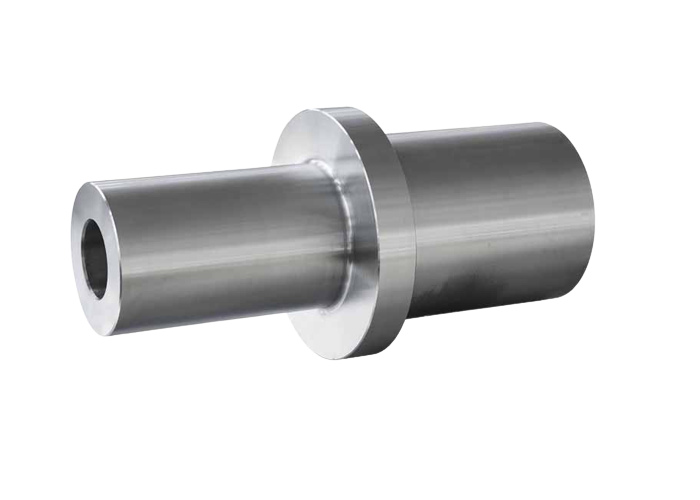
The following production-site photos show different stages of the casting process, including sand mould preparation, metal pouring, cooling, pattern and mould fabrication, and material analysis.
A spectrometer is used to verify the chemical composition of the molten metal or casting samples according to the required material specification.
The photos also show shell mould casting, resin sand casting, and green sand casting examples. The suitable process depends on the part size, geometry, material, quantity, surface-finish requirement, dimensional tolerance, and production cost.