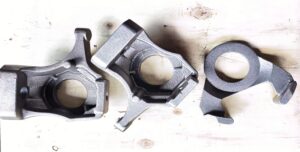
Introduction
Copper bushings are widely used in industrial machinery, marine equipment, hydraulic systems, pumps, and heavy-duty rotating equipment. These components play a critical role in reducing friction between moving parts and ensuring the smooth operation of mechanical systems.
The manufacturing process of copper bushings involves several important stages, including material selection, mold preparation, centrifugal casting, cooling, machining, and finishing. Each step directly affects the mechanical performance, wear resistance, and dimensional accuracy of the final component.
In this article, we take a closer look at the complete copper bushing manufacturing process, from raw material preparation to precision machining, and explain how high-quality industrial bushings are produced.
Centrifugal Casting for Copper Bushings
Many high-performance copper bushings are produced using centrifugal casting, which ensures dense material structure and excellent mechanical properties.
This process is especially suitable for producing bronze bushings and copper alloy bearings used in marine and heavy industrial applications.
The manufacturing process of a copper bushing involves several steps:
Material Selection:
High-quality copper alloys, such as bronze or brass, are chosen for their durability and heat resistance, like C93700 bronze bushings.
Our copper and alu. pages here.
Mold Preparation
A mold is created with a cavity in the desired shape of the final product. The mold is usually made of a refractory material that can withstand high temperatures.

Melting and Casting:
The chosen copper alloy is melted in a furnace and then poured into a mold in the desired shape of the bushing. We use the centrifugal casting.
Centrifugal casting is a manufacturing process used to produce cylindrical or symmetrical hollow parts, such as pipes, tubes, or bushings, with a high level of integrity and precision. It involves the use of centrifugal force to distribute molten metal or other materials into a mold.
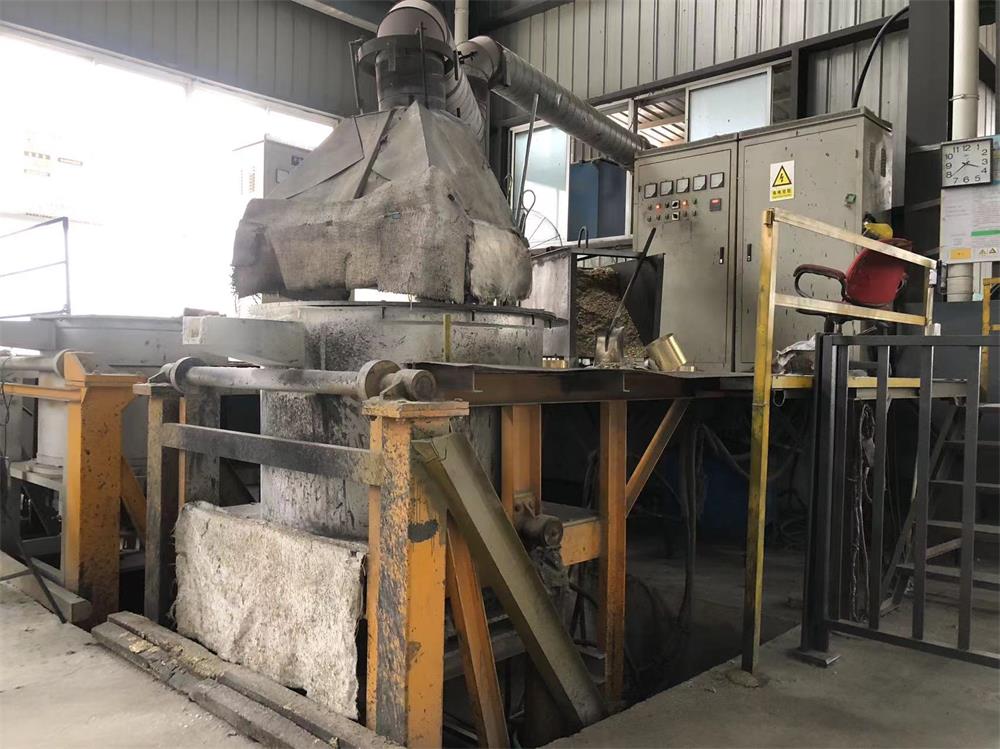

Centrifugal casting offers several advantages, including improved casting density, reduced porosity, better mechanical properties, and enhanced resistance to defects compared to other casting methods. It is commonly used in industries such as automotive, aerospace, marine, and manufacturing, where high-quality, high-strength, and dimensionally accurate parts are required.
Cooling and Solidification
The molten copper alloy is allowed to cool and solidify, forming a solid metal casting.


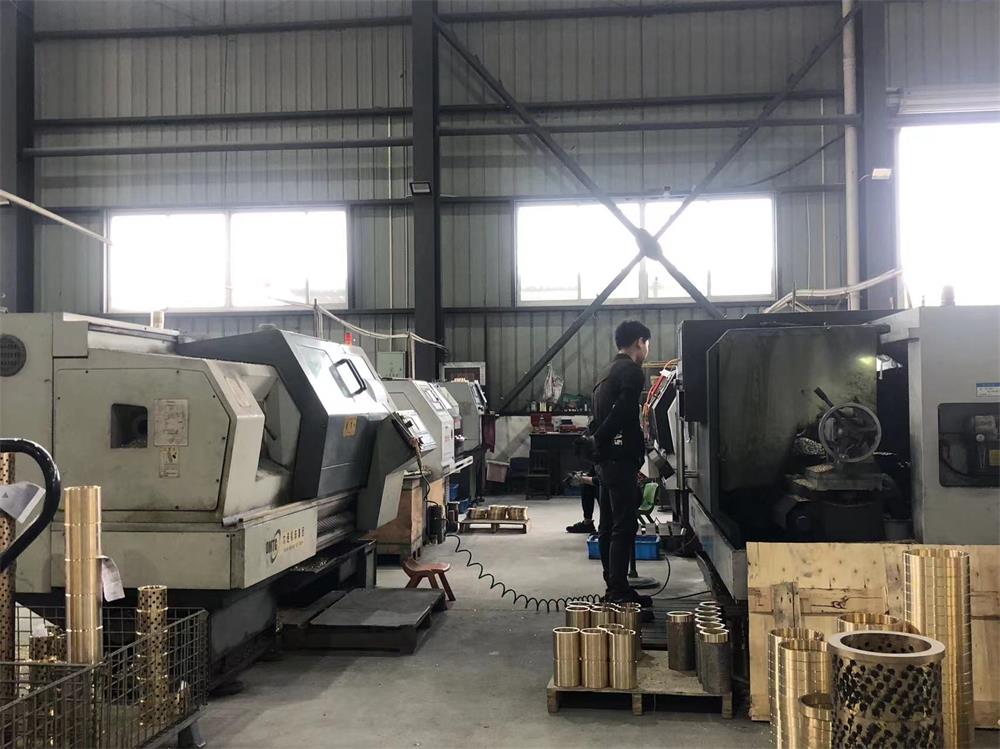
Rough Machining
The rough casting is then machined using various cutting tools to remove excess material and achieve the desired dimensions and shape.


Applications of Copper Bushings
Copper bushings are widely used in many types of industrial equipment because copper alloys provide excellent wear resistance, corrosion resistance, and load-bearing capacity. These properties make them ideal for components that operate under friction and heavy mechanical loads.
Typical applications include:
- Marine equipment and ship propulsion systems
- Hydraulic cylinders and pump systems
- Industrial gearboxes and heavy machinery
- Construction and mining equipment
- Automotive and transportation systems
In many rotating systems, copper bushings serve as critical sliding components, reducing friction between moving parts and improving the overall durability of the equipment.
Types of Copper Bushings
Copper bushings are available in several different structural designs depending on the mechanical requirements of the equipment.
The most common types include:
Plain cylindrical bushings
These are the most widely used type and are typically installed in housings to provide a smooth sliding surface for rotating shafts.
Flanged bushings
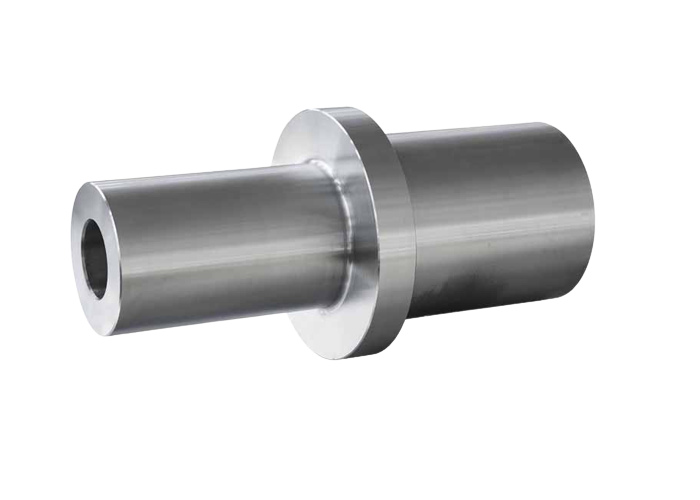
Flanged bushings include an integrated flange that helps position the component and absorb axial loads. They are commonly used in pumps, motors, and gear systems.
Thrust bushings and washers
These components are designed to support axial loads and prevent excessive friction between moving parts in rotating machinery.
Split bushings
Split bushings are easier to install and remove, especially in large industrial equipment where maintenance efficiency is important.
Selecting the correct type of copper bushing depends on load conditions, installation requirements, and equipment design.
You can also explore one of our custom manufacturing projects here:
https://ytcasting.com/project/custom-copper-bushing/
Common Copper Alloy Materials Used for Bushings
Different copper alloys are used in bushing manufacturing depending on the working environment and mechanical requirements.
Some commonly used materials include:
C93200 (SAE 660 bronze)
This is one of the most widely used bearing bronze alloys. It offers excellent wear resistance and good machinability, making it suitable for general industrial applications.
C95400 aluminum bronze
This alloy provides high strength and excellent corrosion resistance, especially in marine environments and heavy-duty applications.
C86300 manganese bronze
Manganese bronze is often used in heavy-load machinery due to its superior strength and impact resistance.
Tin bronze alloys
Tin bronze materials offer good sliding performance and are frequently used in pumps, valves, and hydraulic equipment.
The choice of alloy depends on factors such as load capacity, lubrication conditions, operating temperature, and environmental exposure.
Heat Treatment
Heat treatment may be applied when required by the selected copper alloy, material specification, and mechanical-property requirements. The exact treatment depends on the alloy grade and product condition.
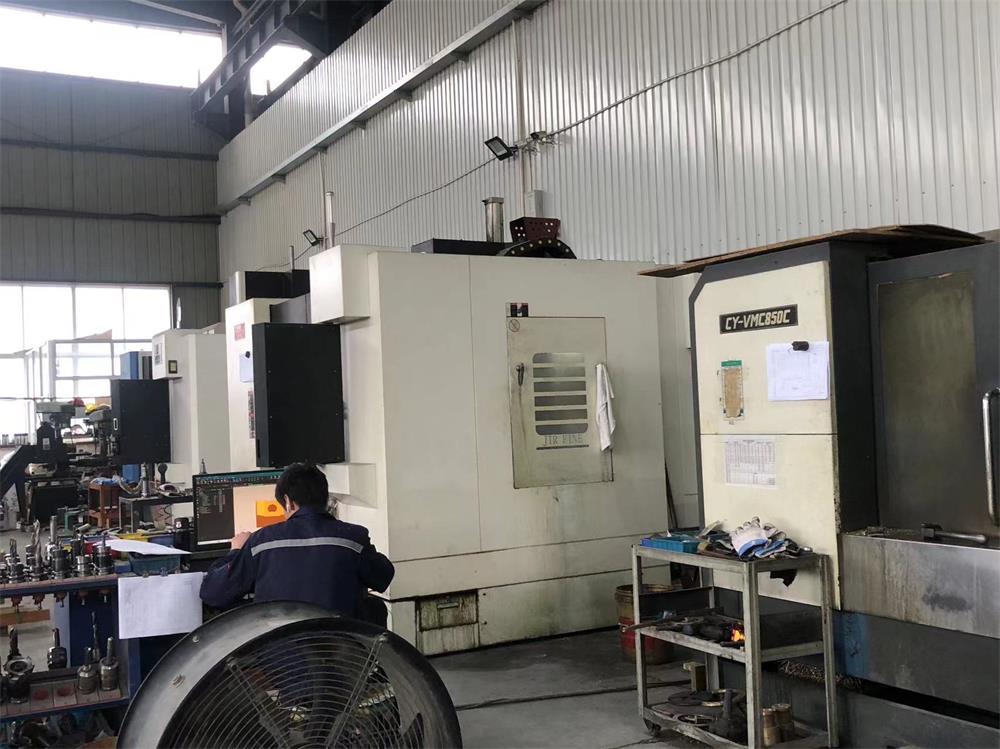
Precision Machining
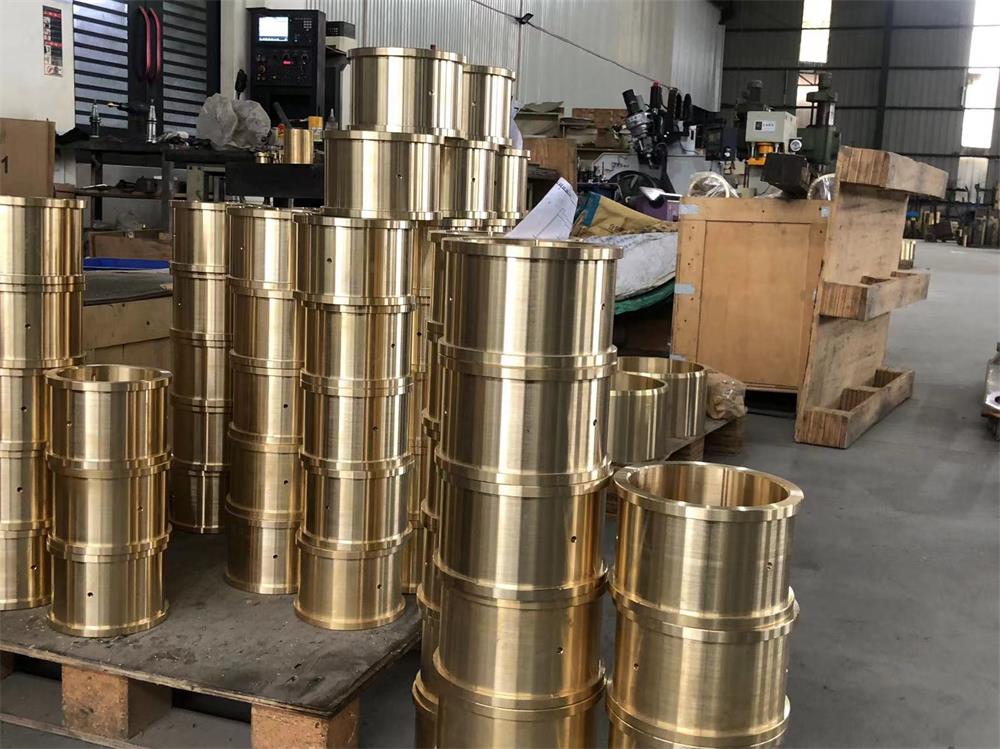
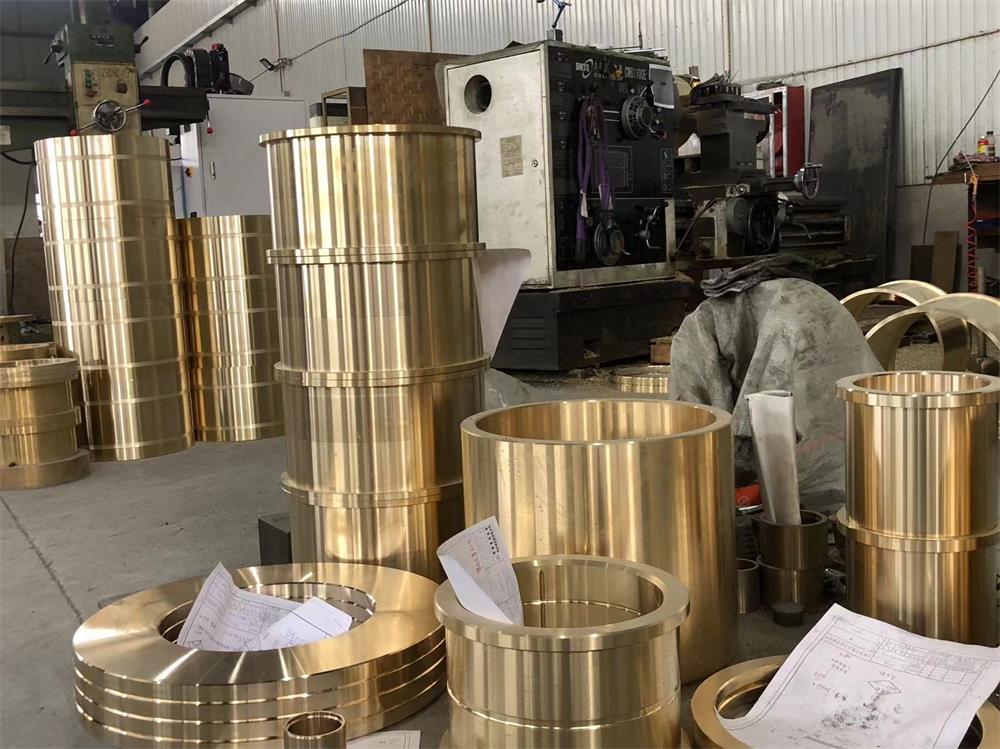
The rough-machined bushing is precision machined to achieve the required bore, outside diameter, length, tolerances, and surface finish.
Surface Finishing
The copper bushing may undergo surface treatments like polishing, grinding, or coating to enhance its appearance, corrosion resistance, and reduce friction.

Quality Inspection
Throughout the manufacturing process, rigorous quality checks are conducted to ensure the bushing meets specified standards for dimensions, surface finish, and mechanical properties.



Assembly or Packaging
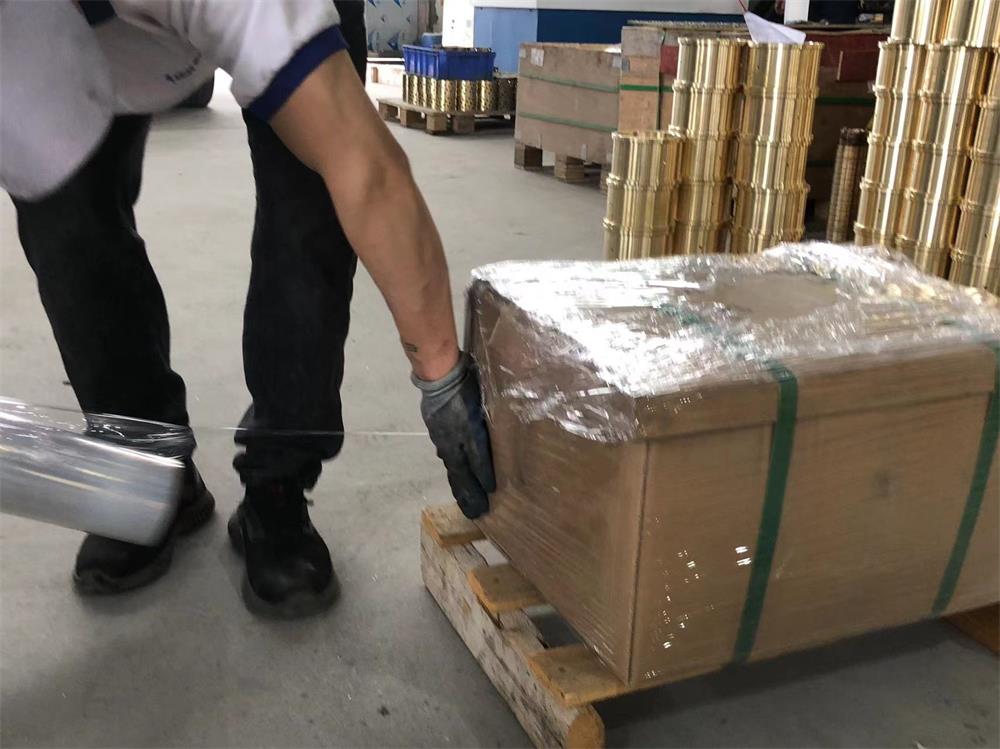
Once the copper bushing passes the required inspection, it is packaged for shipment or prepared for assembly according to the customer’s project requirements.
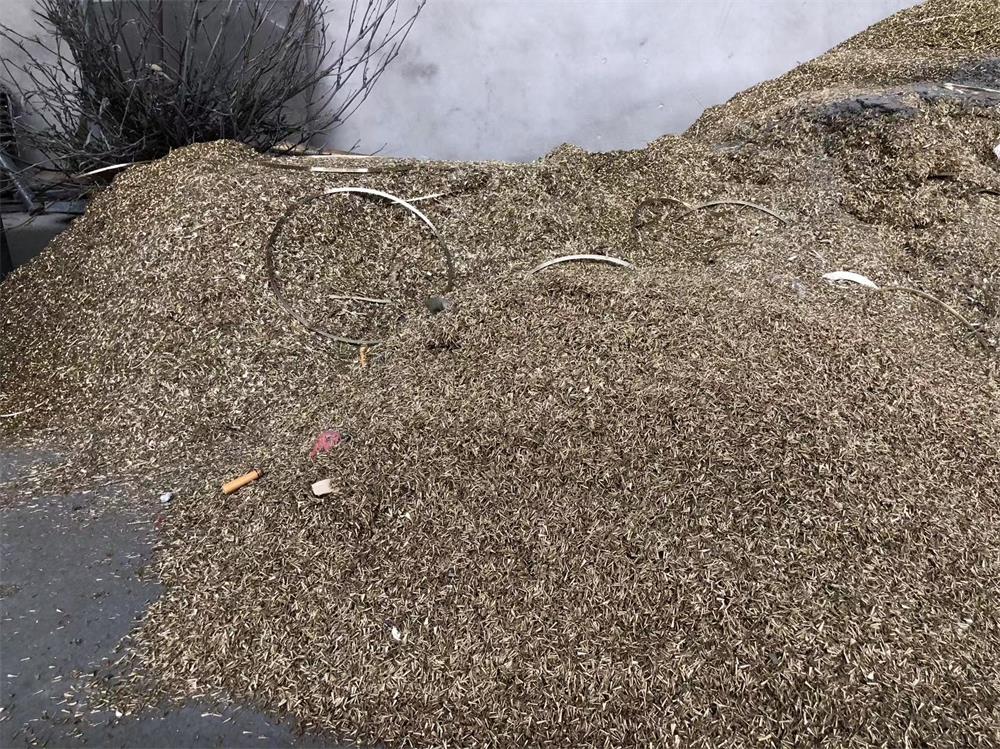
Copper Recycle Material
The machined copper material will be melted for re-use.
Application
The finished copper bushing is then ready to be used in various industrial applications, such as automotive engines, machinery, electrical equipment, or plumbing systems.
Please note that the specific manufacturing process may vary depending on the desired type and size of the copper bushing, as well as the manufacturer’s techniques and equipment.
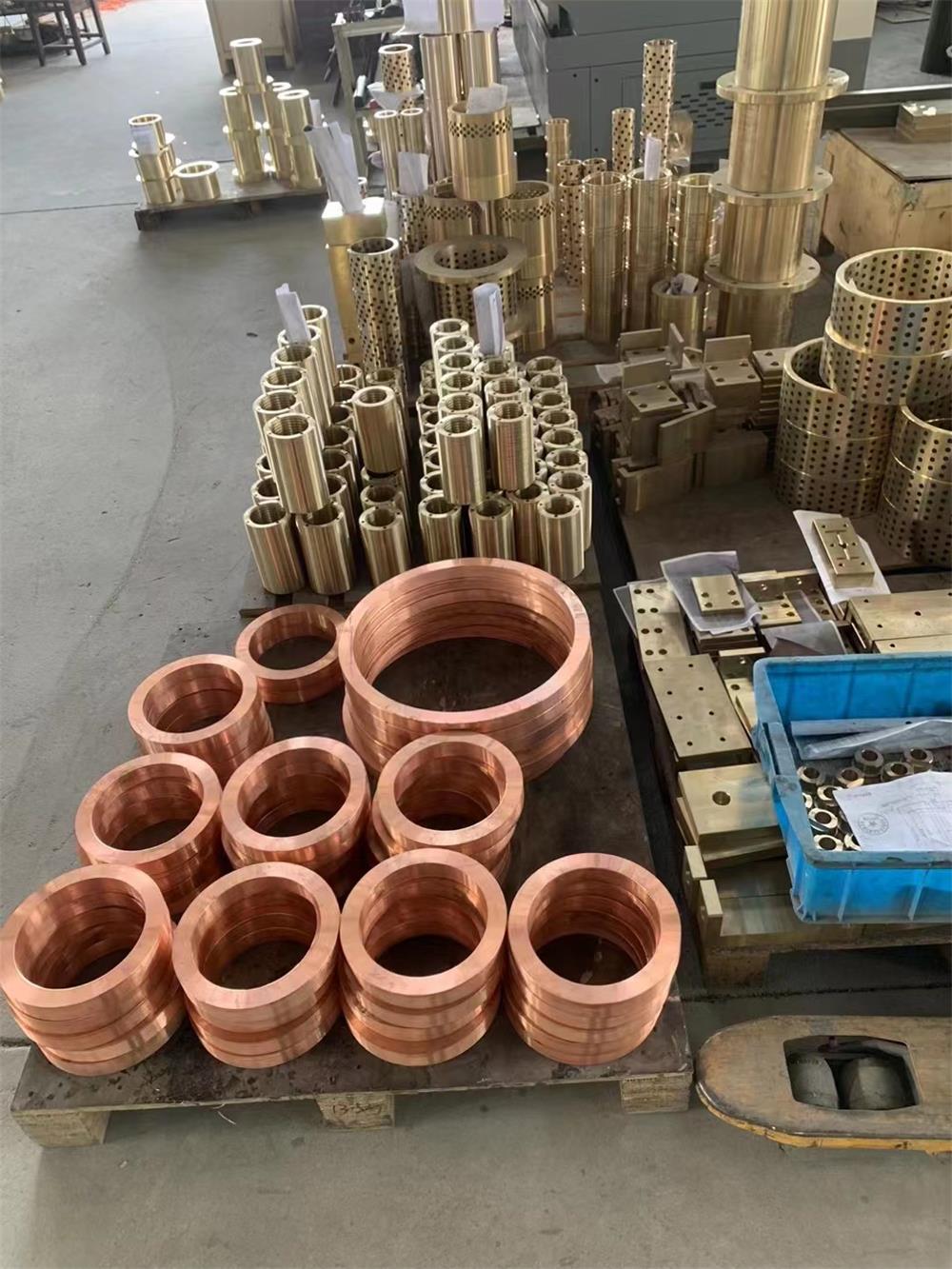
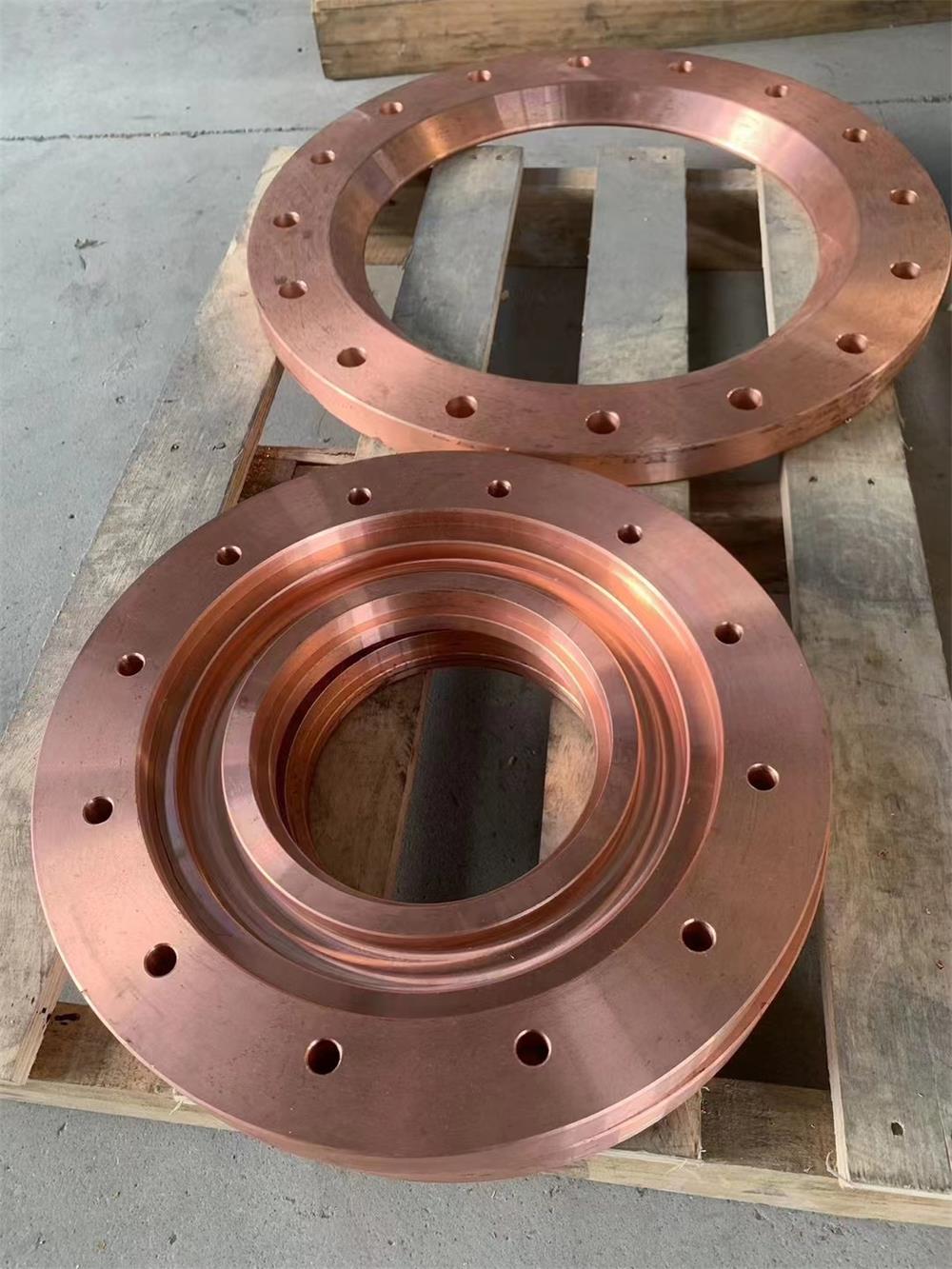
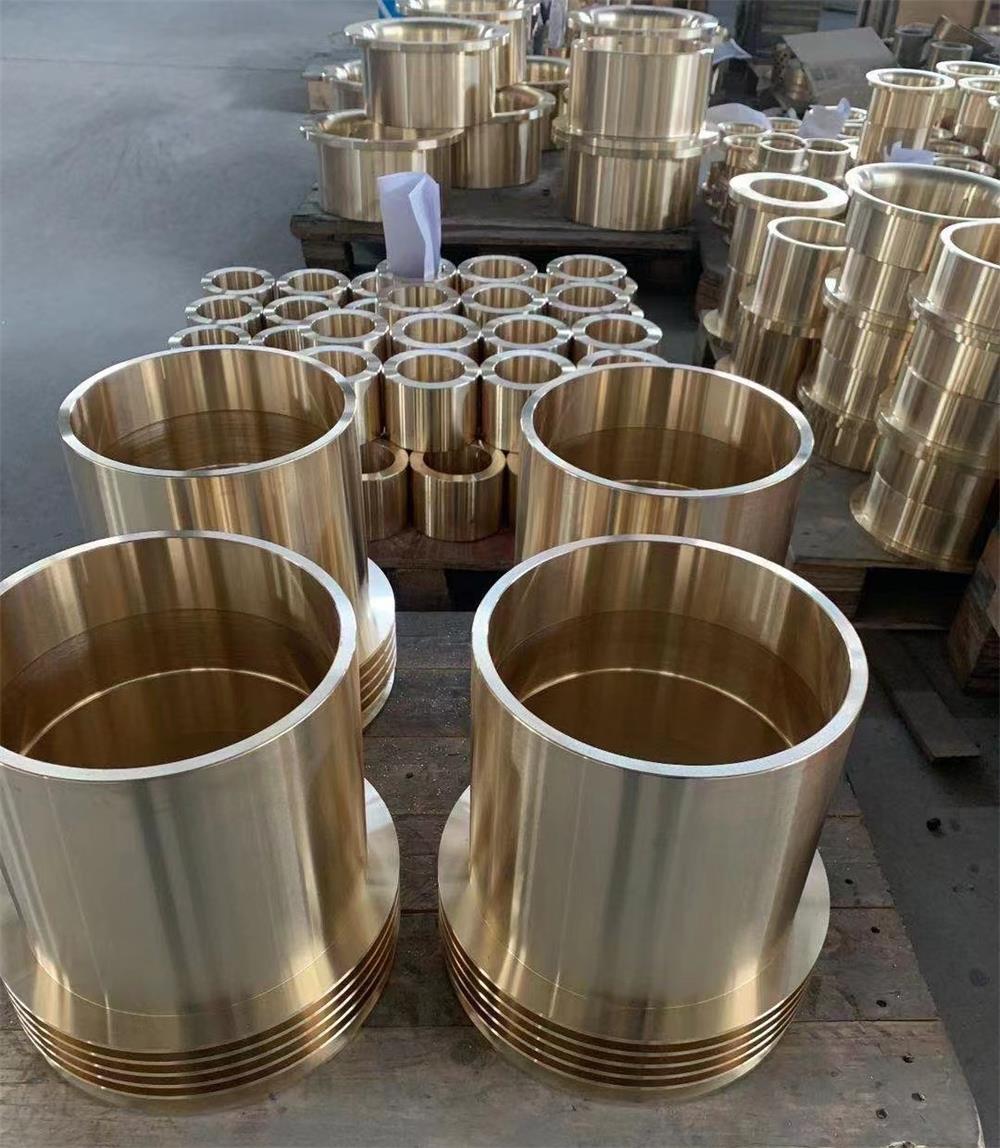

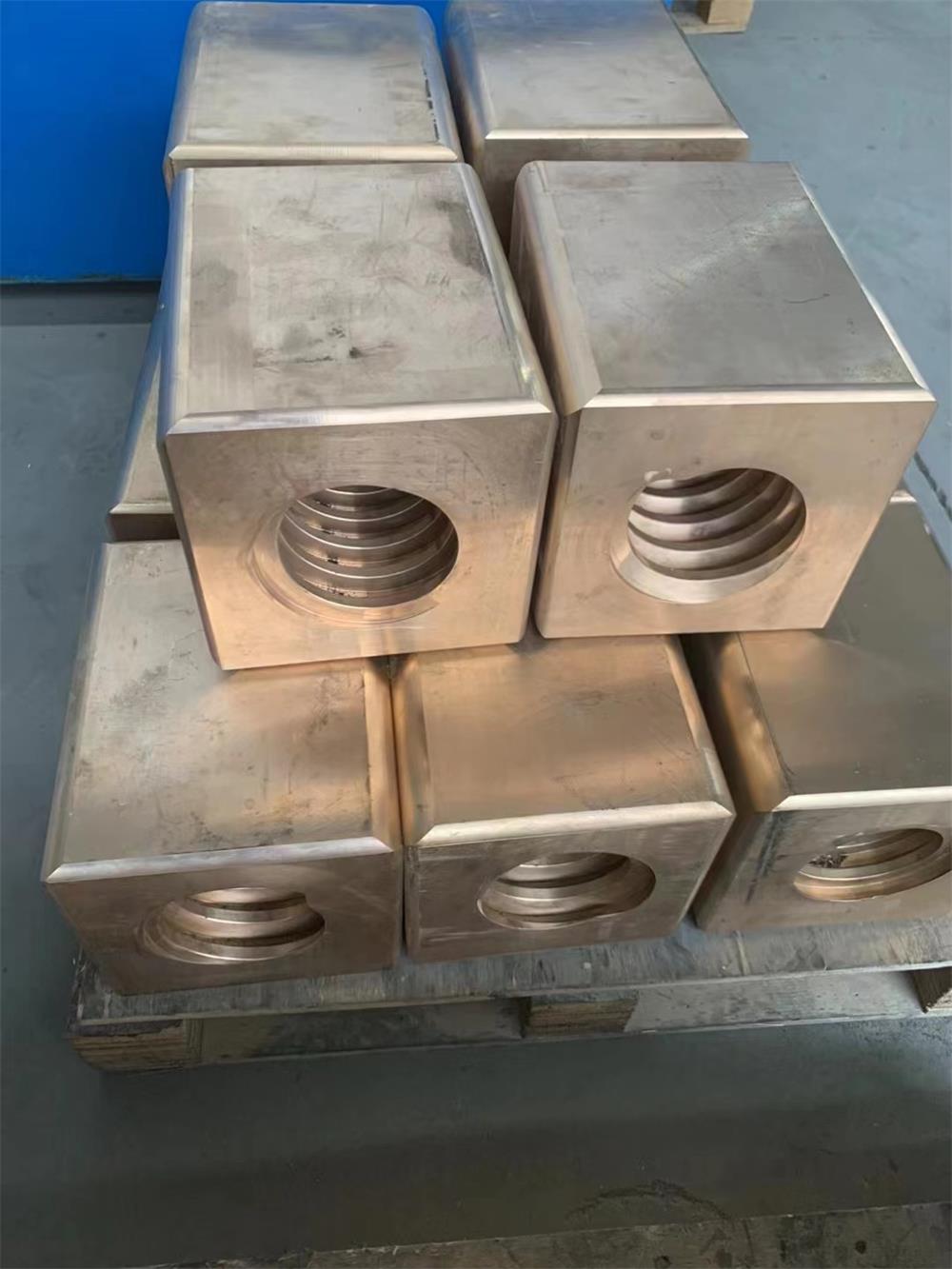
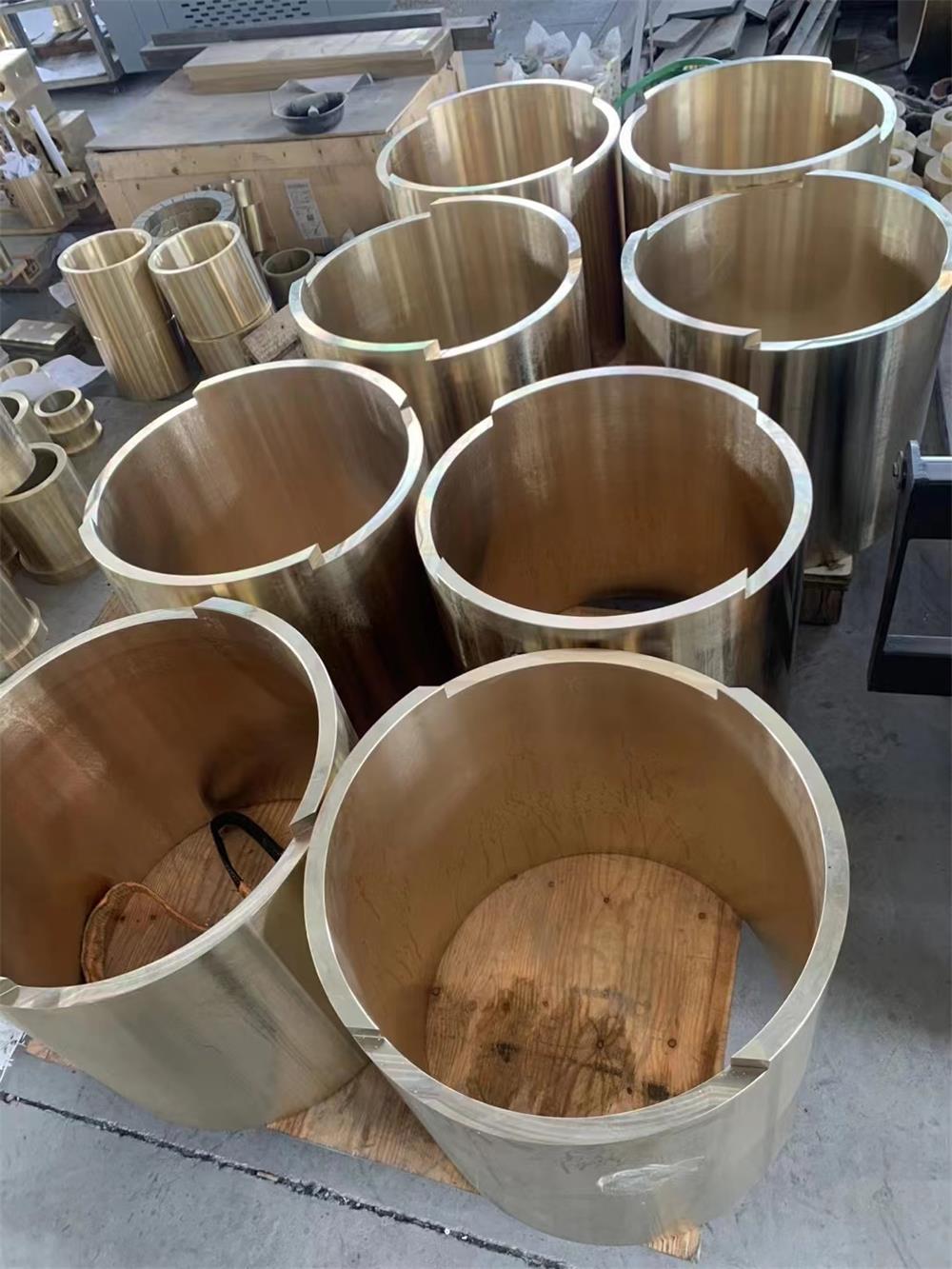
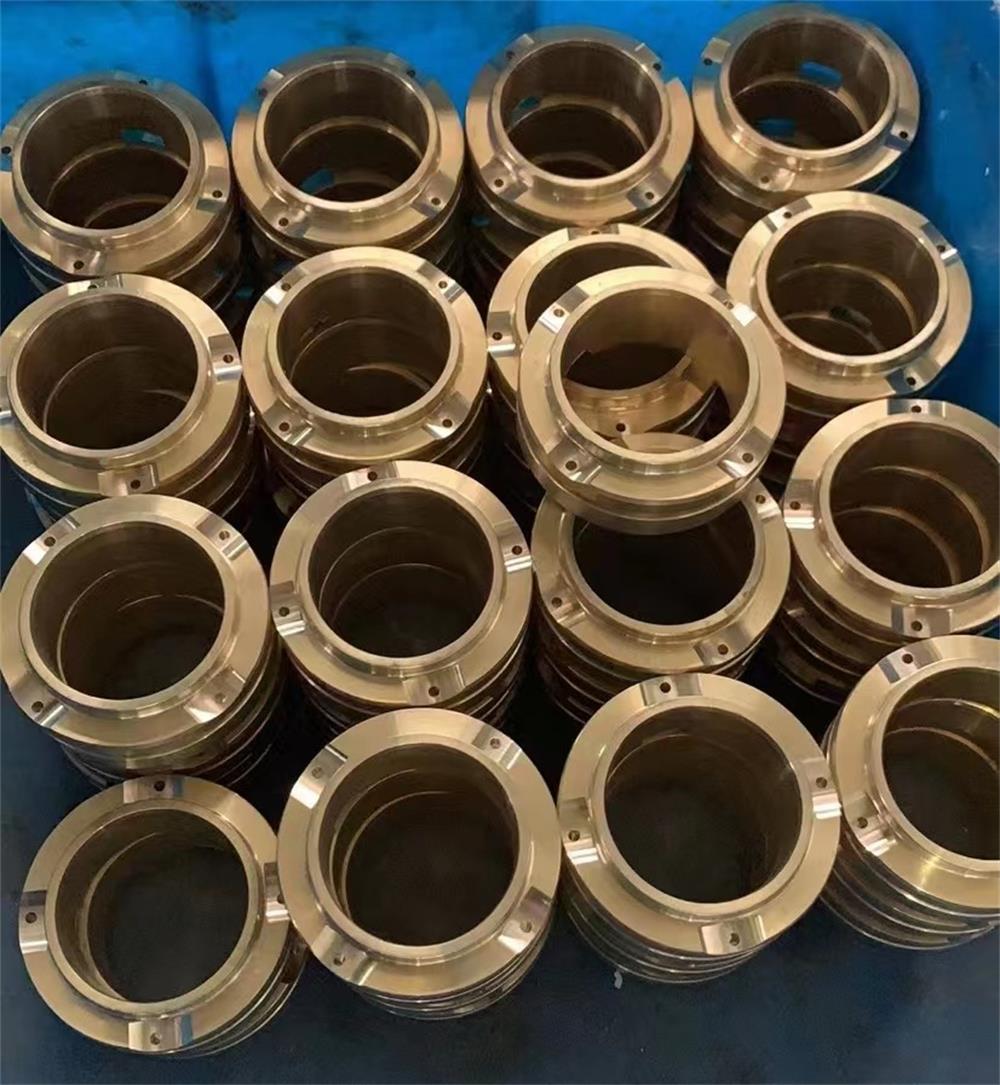

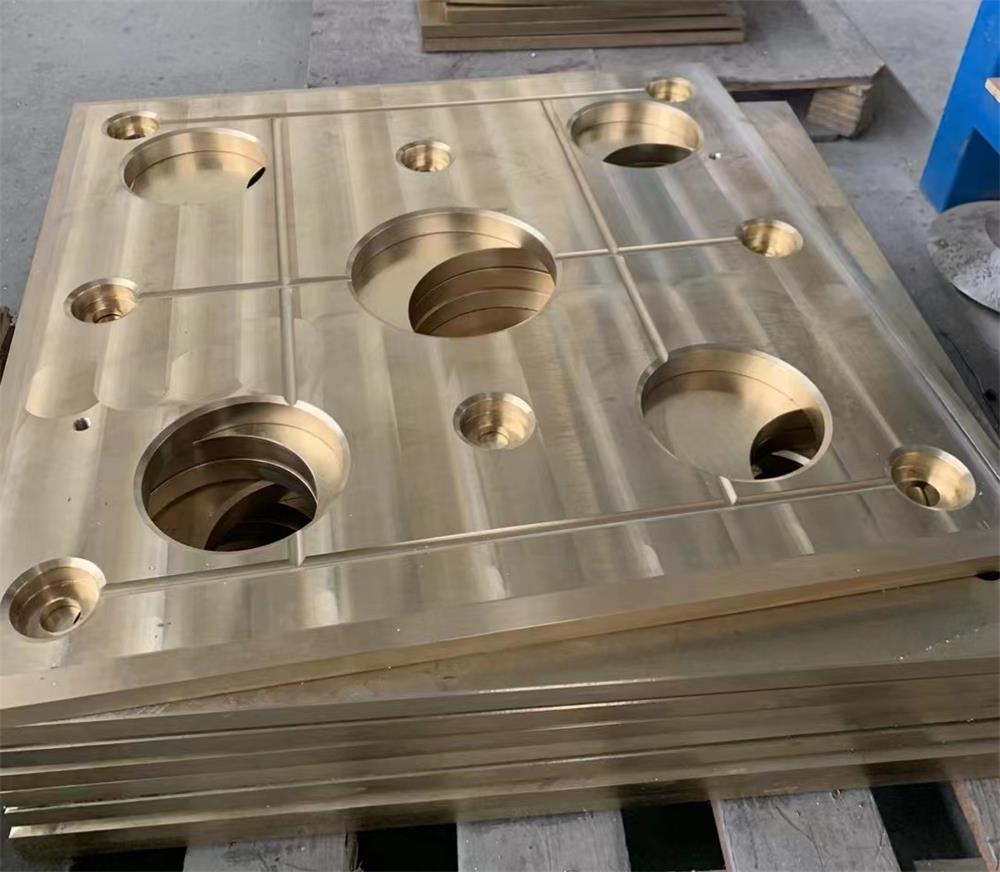
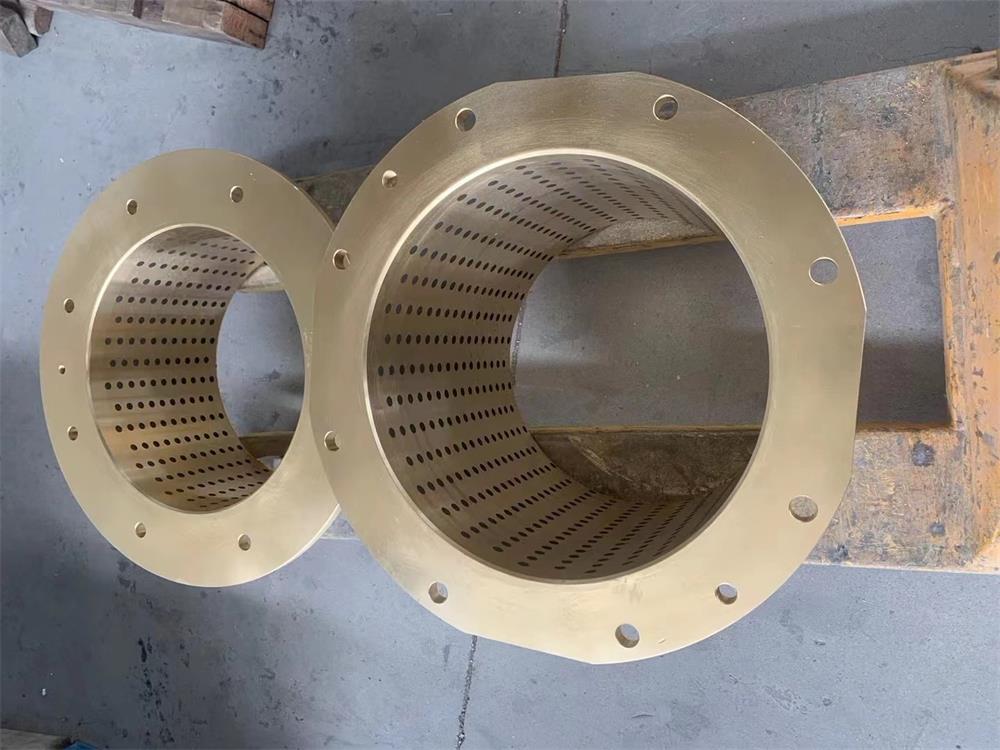
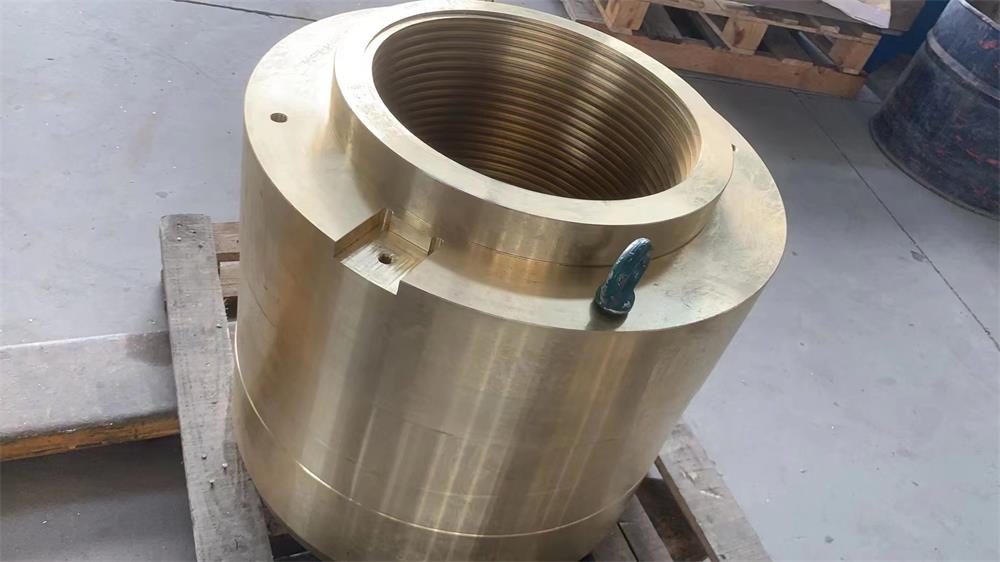
A recent example is our C93700 centrifugal cast bronze bushings manufactured for the Panama Canal Authority (ACP).
Why Centrifugal Casting Is Ideal for Copper Bushings
Centrifugal force distributes the molten alloy along the rotating mould wall, helping produce a dense casting structure and reduce certain types of porosity, shrinkage, and inclusions.
Compared with conventional casting methods, centrifugal casting can significantly reduce porosity, shrinkage defects, and impurities, resulting in improved mechanical strength and wear resistance.
This makes the process especially suitable for copper alloy bushings used in marine equipment, heavy machinery, and industrial rotating systems.
Custom Copper Bushing Manufacturing
YT Industrial Parts specializes in custom copper and bronze bushings produced by centrifugal casting and precision machining.
Our components are widely used in marine infrastructure, hydraulic equipment, and industrial machinery worldwide.
For custom cylindrical, flanged, split, and heavy-duty bronze bushings requiring alloy selection, centrifugal casting, rough machining, precision machining, dimensional inspection, and repeat production, explore our centrifugal cast bronze bushing manufacturing capabilities.
Advantages of Copper Alloy Bushings
Copper alloy bushings offer several advantages compared with many other metal materials used in industrial applications.
First, copper alloys provide excellent wear resistance, which allows bushings to operate reliably in high-friction environments. This helps extend the service life of rotating equipment.
Second, copper alloys have strong corrosion resistance, especially in marine environments or humid industrial conditions. This makes them suitable for pumps, marine equipment, and offshore machinery.
Third, copper materials also provide good thermal conductivity, which helps dissipate heat generated during operation and prevents overheating of mechanical components.
Because of these properties, copper alloy bushings are widely used in heavy machinery, marine engineering, hydraulic systems, and industrial automation equipment.
You can also explore one of our copper component manufacturing projects here:
https://ytcasting.com/project/custom-copper-bushing/
If you are looking for a reliable supplier for custom copper bushings manufactured according to drawings, feel free to contact our engineering team:
https://ytcasting.com/contact-us/
How to Choose the Right Copper Bushing
Choosing the right copper bushing is essential for ensuring reliable performance and long service life in industrial machinery. Several factors should be considered when selecting a copper bushing for a specific application.
Selecting the right copper bushing is important for ensuring reliable performance and long service life in industrial machinery. Several factors should be considered when choosing the appropriate bushing for a specific application.
Load conditions
The operating load is one of the most important factors. Heavy-duty equipment usually requires stronger copper alloys such as aluminum bronze or manganese bronze to withstand higher pressures and mechanical stress.
Operating speed
High-speed rotating systems require bushings with excellent wear resistance and stable lubrication performance. The material and surface finish must be suitable for continuous motion and friction.
Working environment
Environmental conditions such as humidity, temperature, corrosion exposure, or marine environments can affect material selection. Certain copper alloys provide better corrosion resistance for harsh environments.
Lubrication conditions
Some bushings operate with continuous lubrication, while others may work under boundary lubrication or even dry conditions. Selecting the correct alloy and surface finish helps reduce wear and extend service life.
Manufacturing process
Processes such as centrifugal casting and precision machining are commonly used to produce high-quality copper bushings with dense structure and accurate dimensions.
If you are unsure which copper alloy or manufacturing process is suitable for your project, our engineering team can help evaluate your design and recommend the most appropriate solution.
👉 https://ytcasting.com/contact-us/
Copper Bushings vs Bronze Bushings
Many people use the terms copper bushings and bronze bushings interchangeably, but there are slight differences between these materials.
In general, bronze is actually a copper alloy, typically composed of copper combined with elements such as tin, aluminum, manganese, or silicon.
Because of this, most industrial bushings referred to as “copper bushings” are actually manufactured from bronze alloys.
Compared with pure copper materials, bronze alloys provide:
- Higher strength
- Better wear resistance
- Improved load-bearing capacity
- Longer service life in mechanical systems
This is why bronze bushings are commonly used in industrial machinery, marine equipment, heavy-duty pumps, and hydraulic systems.
Looking for a Custom Copper Bushing Manufacturer?
Copper bushings are widely used in marine equipment, industrial machinery, pumps, hydraulic systems, and heavy-duty rotating equipment because copper alloys provide excellent wear resistance, corrosion resistance, and thermal conductivity.
For a real production example of copper alloy bushings used in marine infrastructure equipment, please visit this project:
https://ytcasting.com/project/custom-copper-bushing/
You can also explore our complete project portfolio of custom industrial parts manufacturing:
https://ytcasting.com/project/
If you are not sure how to choose the right copper bushing for your equipment, our engineering team can help evaluate your design and recommend the most suitable material and manufacturing process.
👉 https://ytcasting.com/contact-us/
Our engineering team will review your design and recommend the most suitable casting and machining process.
For a complete overview of casting technologies, read our Metal Casting Process Guide.