
What Is Precision Investment Casting?
Precision investment casting, also known as lost wax casting, is a manufacturing process used to produce complex metal parts with excellent surface finish and tight tolerances.
It involves creating a wax pattern, building a ceramic shell around it, removing the wax, and pouring molten metal into the cavity to form the final part.
This process is widely used for stainless steel, carbon steel, and alloy steel components where dimensional accuracy and surface quality are critical.
Investment casting is especially suitable for complex geometries and tight tolerance parts. You can also explore our custom CNC machining capabilities for secondary finishing and precision requirements.
Why Choose Investment Casting?
- Smooth surface finish (reduces machining)
- High dimensional accuracy (near-net shape parts)
- Suitable for complex geometries and thin walls
- Wide material compatibility (stainless steel, alloy steel, etc.)
- Cost-effective for medium to large production
Compared to other manufacturing methods, investment casting offers better surface finish and dimensional accuracy. In some cases, it can also be combined with forging or machining to achieve optimal performance.
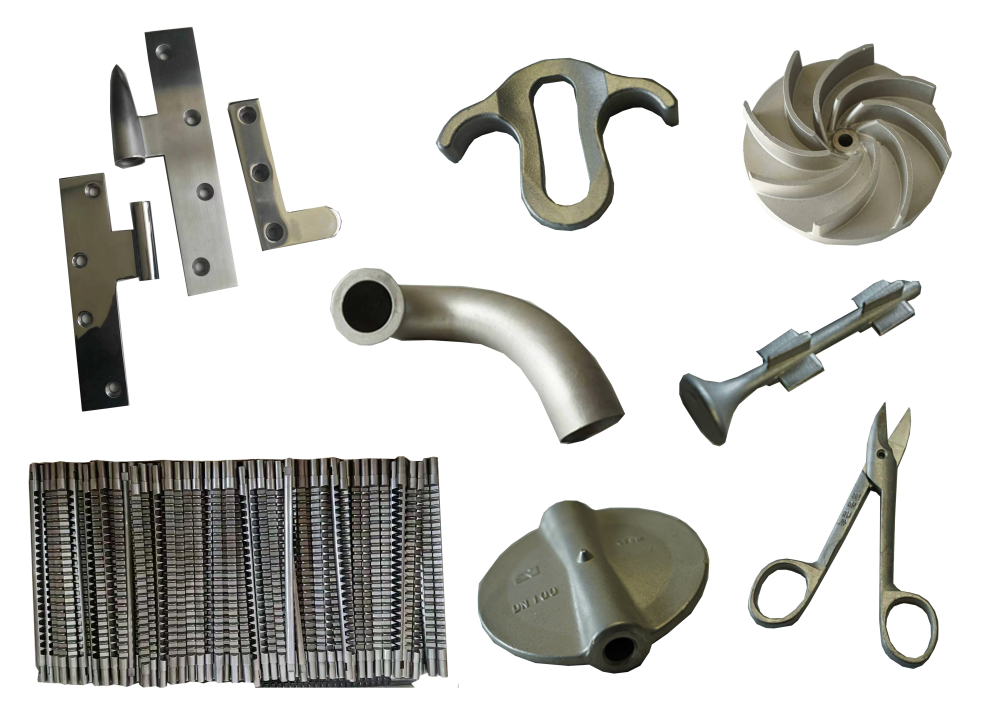
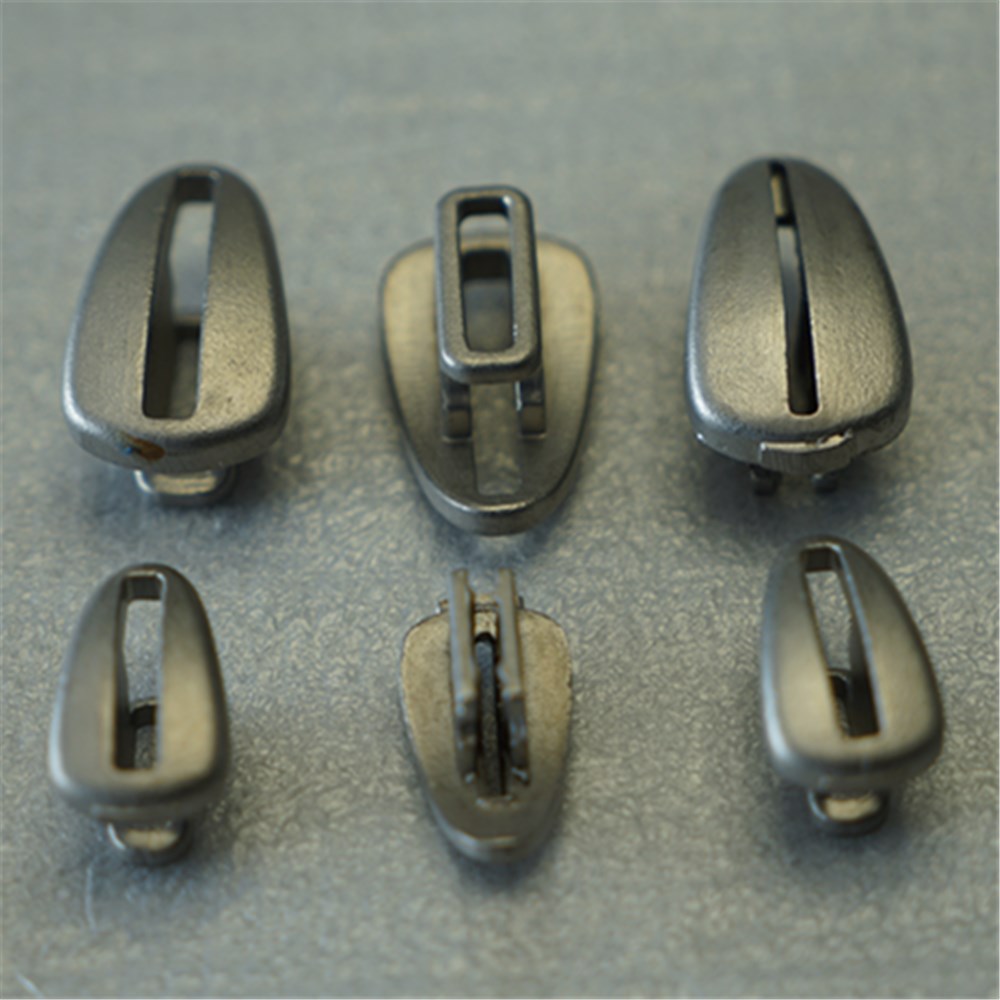
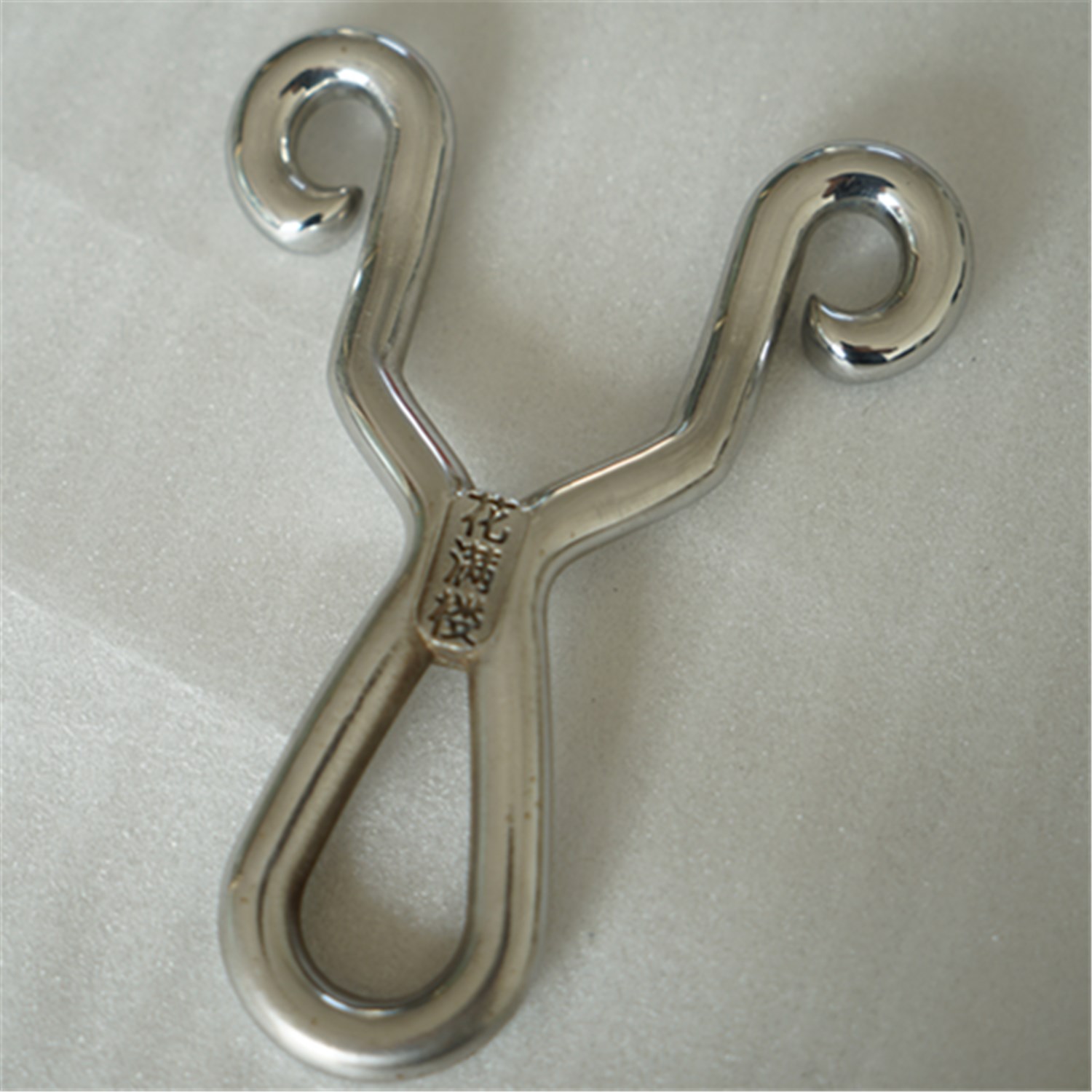
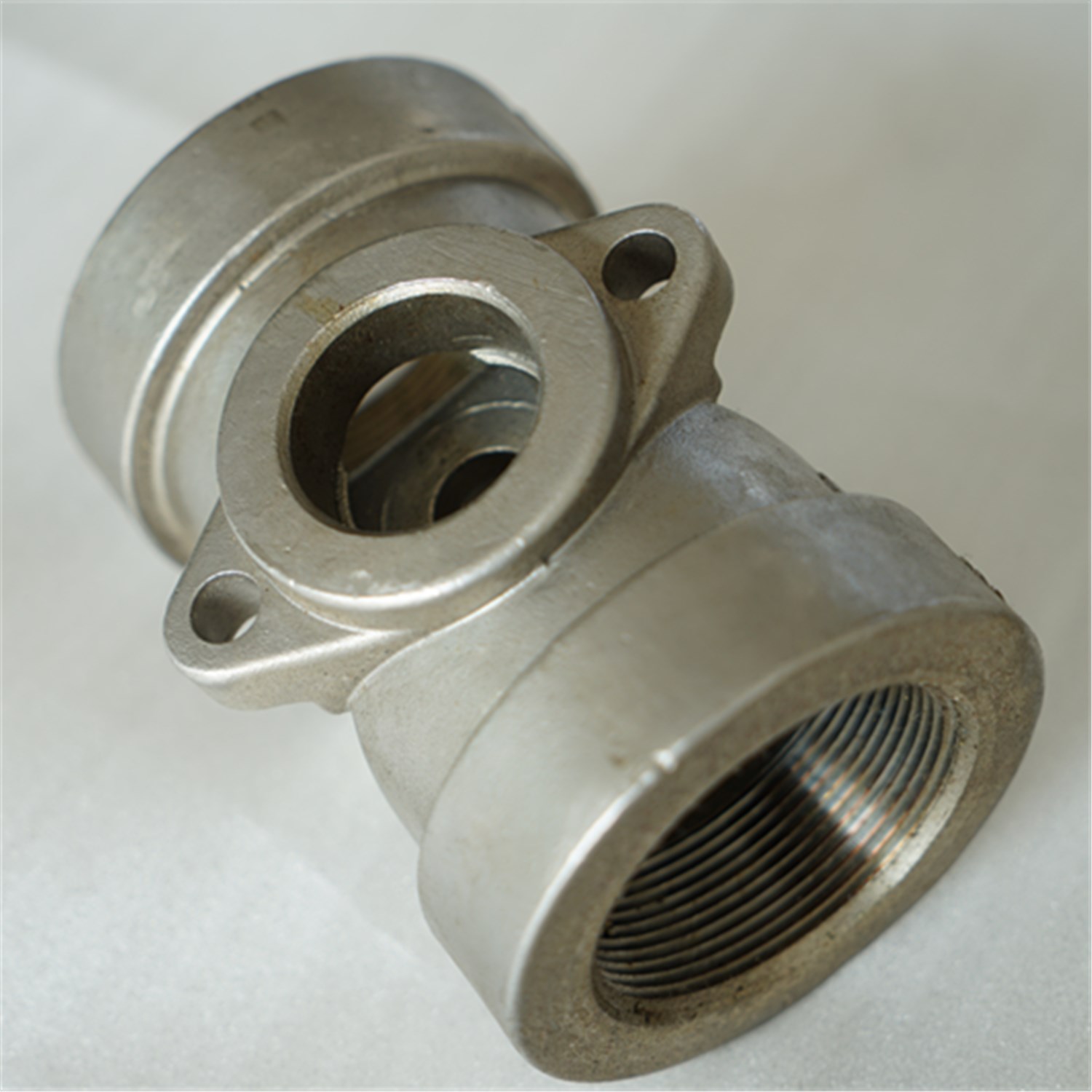
Typical Investment Casting Parts
Investment casting is widely used to produce complex metal parts with high precision and smooth surface finish Including impellers, valve bodies, pipe fittings, and precision mechanical components.
Applications
Investment casting is widely used in:
- Hydraulic valve components and flow control systems
We have manufactured a wide range of hydraulic valve components. You can explore our hydraulic valve casting projects to see real production cases.
- Automotive structural and aftermarket parts
- Pump housings and fluid handling equipment
- Marine hardware and corrosion-resistant components
- General industrial machinery parts
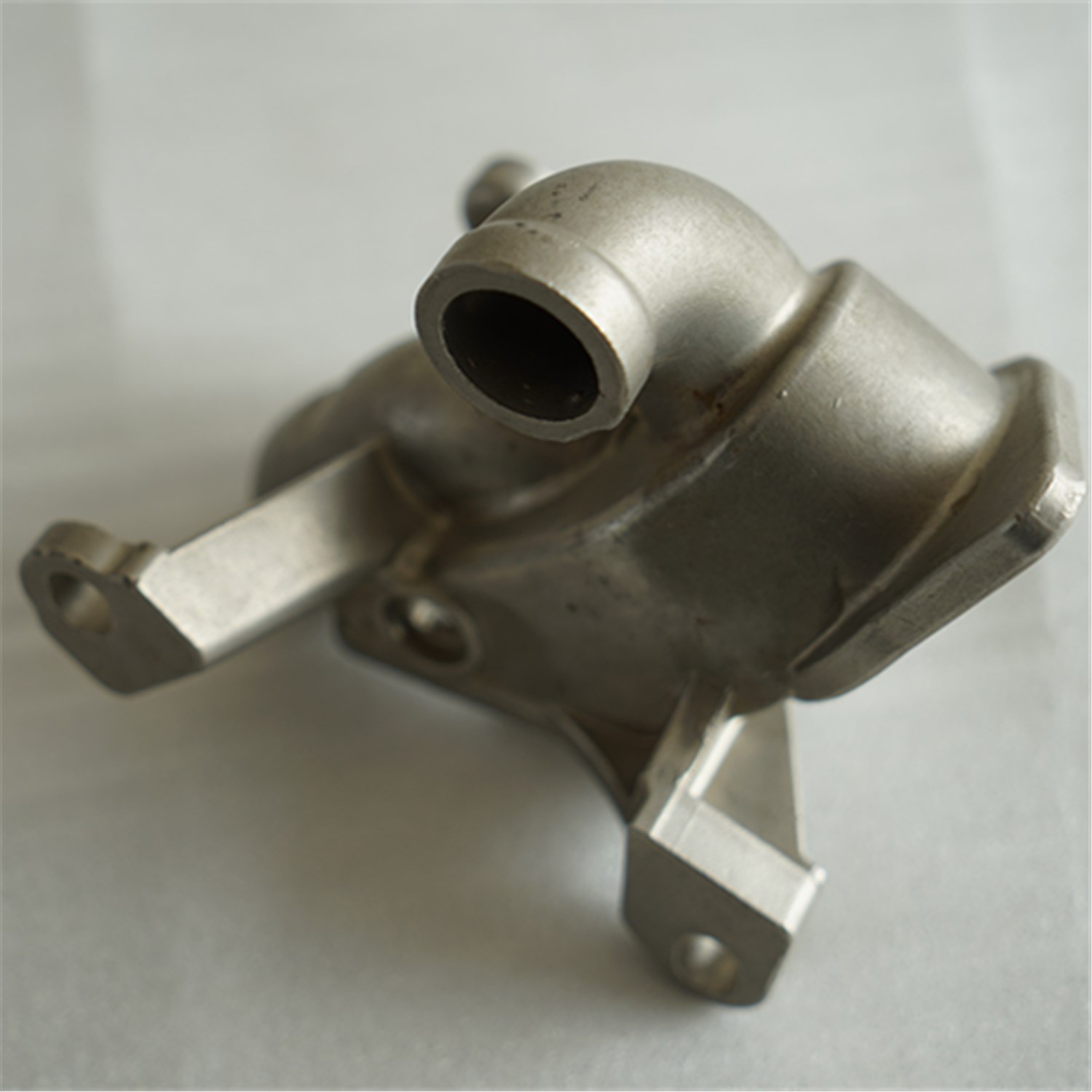
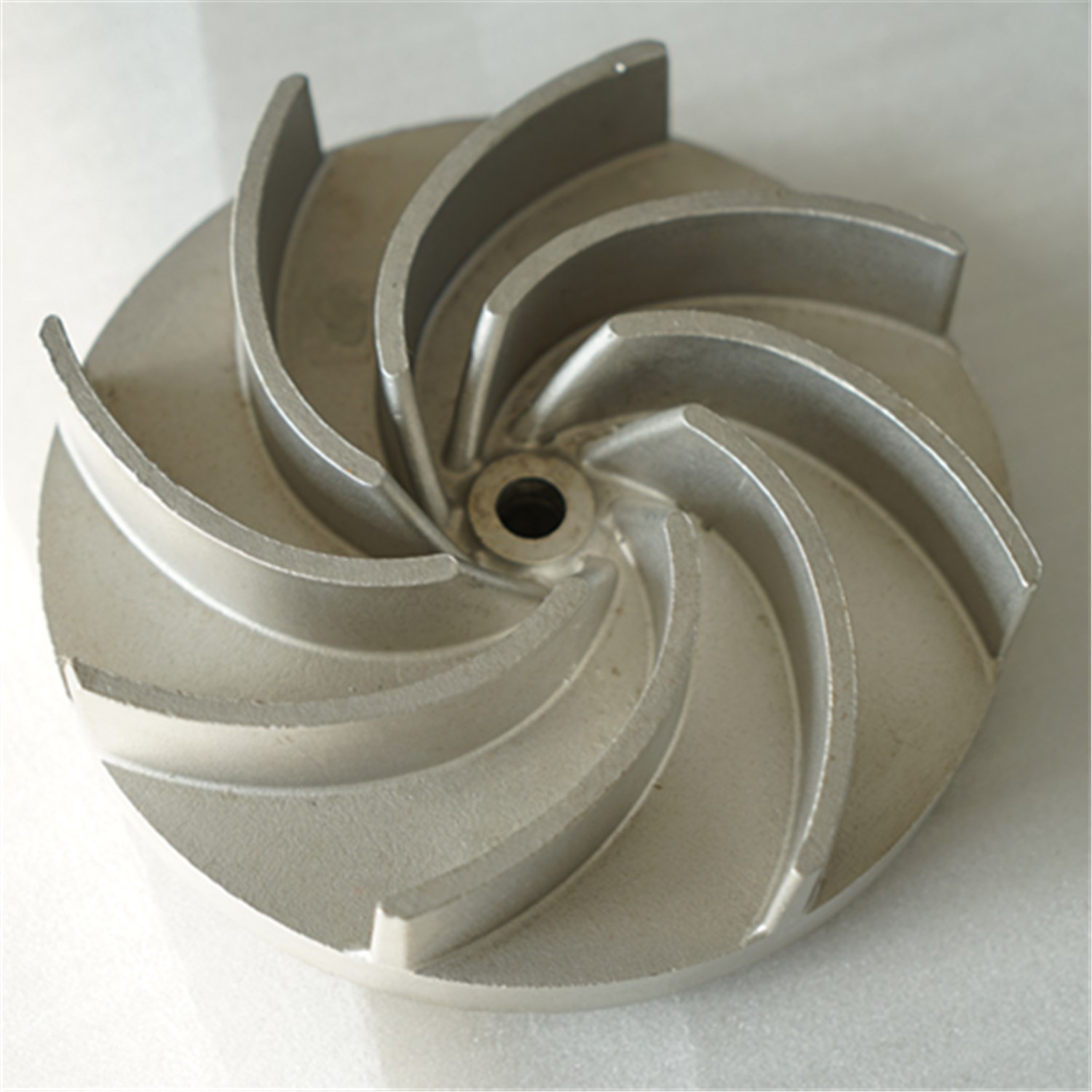
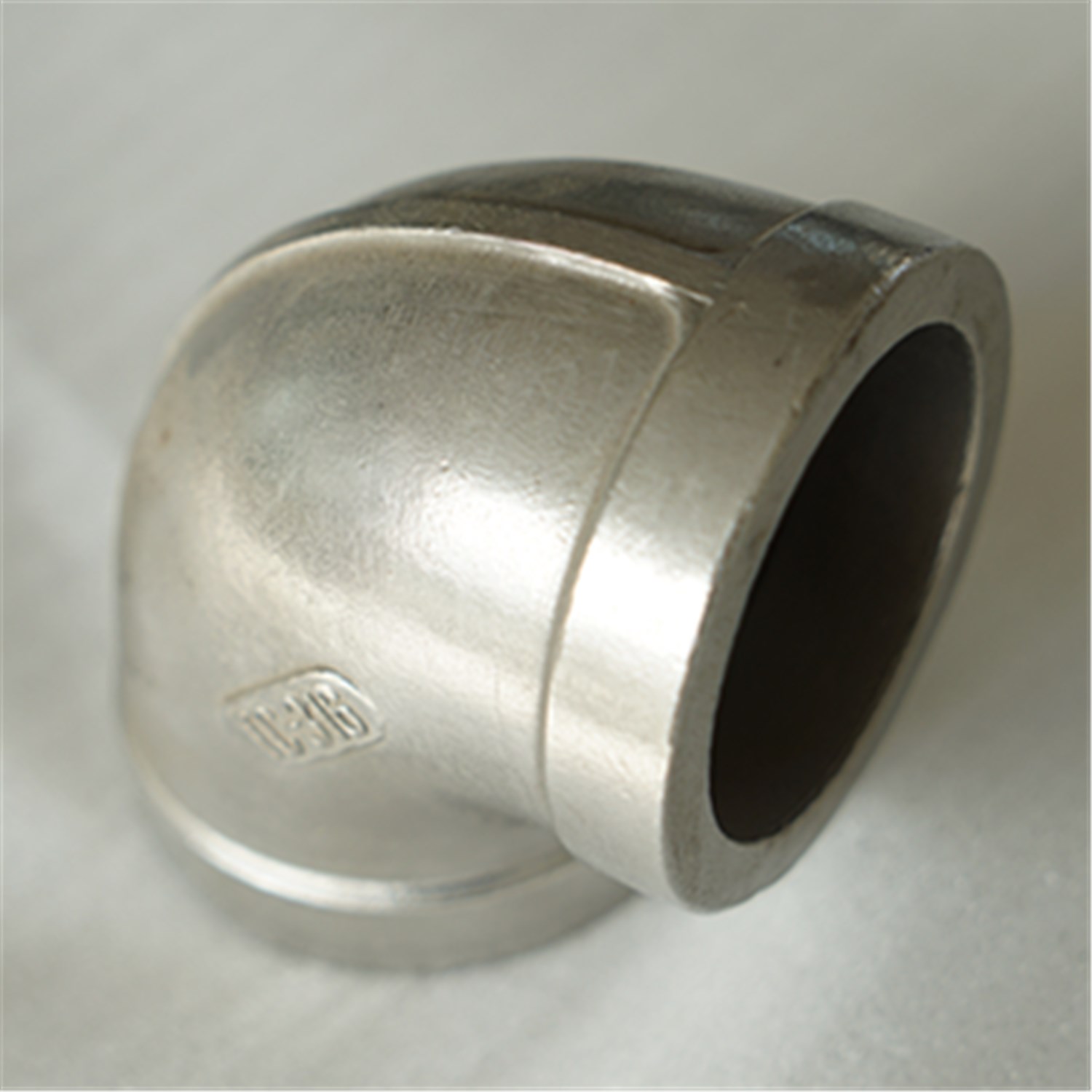
If your project falls into any of the above industries, investment casting is often the most cost-effective solution for achieving complex shapes with tight tolerances.
For sealing and infrastructure applications, materials like EPDM are often used alongside metal components. You can learn more about our EPDM extrusion capabilities for related projects.
Investment Casting Methods
Investment casting can be divided into two main types based on the binder material used in the ceramic shell: silica sol casting and water glass casting.
Silica Sol Investment Casting (High Precision)
Silica sol investment casting uses a colloidal silica binder to create a strong and smooth ceramic shell.
Key Advantages:
- Higher dimensional accuracy
- Better surface finish (Ra 3.2–6.3 μm)
- Tight tolerances
- Suitable for complex and thin-wall parts
Best For:
- Stainless steel parts
- High-precision industrial components
- Hydraulic and valve components
Suitable for applications such as precision valve components and stainless steel industrial parts.
Typical Applications:
Silica sol casting is widely used in:
- Hydraulic valve bodies
- Pump components
- Marine hardware
- Precision machinery parts
Water Glass Investment Casting (Cost-Effective)
Water glass investment casting uses sodium silicate as the binder material, offering a more economical solution.
Key Advantages:
- Lower tooling and production cost
- Faster production cycle
- Suitable for medium precision requirements
Best For:
- Carbon steel parts
- Alloy steel castings
- Larger or cost-sensitive components
Water glass investment casting uses sodium silicate as the binder material, offering a more economical solution.
Key Advantages:
- Lower tooling and production cost
- Faster production cycle
- Suitable for medium precision requirements
Best For:
- Carbon steel parts
- Alloy steel castings
- Larger or cost-sensitive components
Silica Sol vs Water Glass Casting
| Feature | Silica Sol Casting | Water Glass Casting |
|---|---|---|
| Precision | High | Medium |
| Surface Finish | Excellent | Moderate |
| Cost | Higher | Lower |
| Lead Time | Longer | Shorter |
| Material | Stainless Steel | Carbon / Alloy Steel |
To better understand the differences, you can read our detailed guide on water glass casting vs silica sol casting process.
Process Comparison
| Process | Tolerance | Surface Finish | Material |
|---|---|---|---|
| Silica Sol Casting | CT5–CT6 | Ra 3.2–6.3 | Stainless Steel |
| Water Glass Casting | CT7–CT8 | Ra 6.3–12.5 | Carbon Steel |
| Sand Casting | CT8–CT10 | Rough | Large Steel Parts |
Not sure which casting process is right for your project?
Send us your drawings or specifications — our engineers will recommend the most suitable process and provide a quotation within 24 hours.
Investment Casting Process Flow
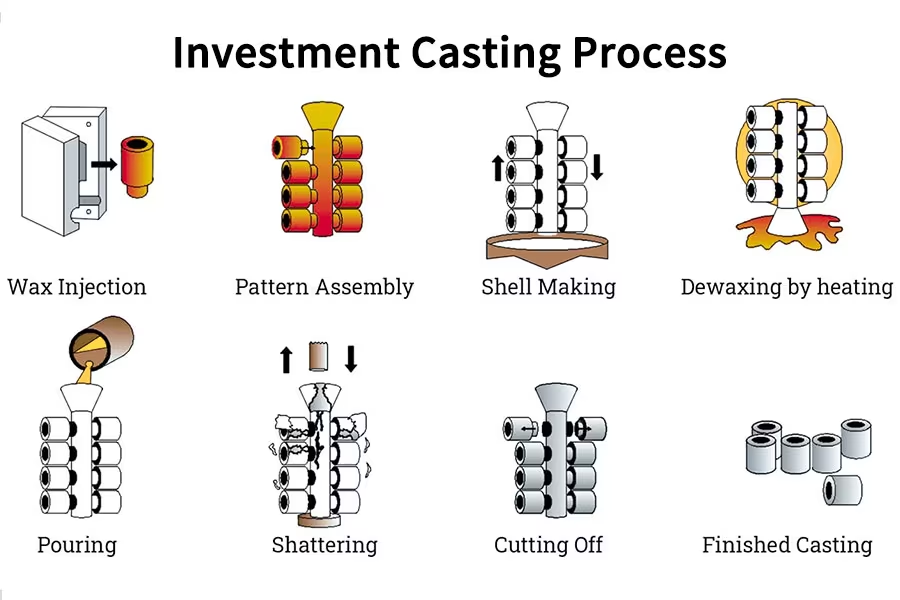
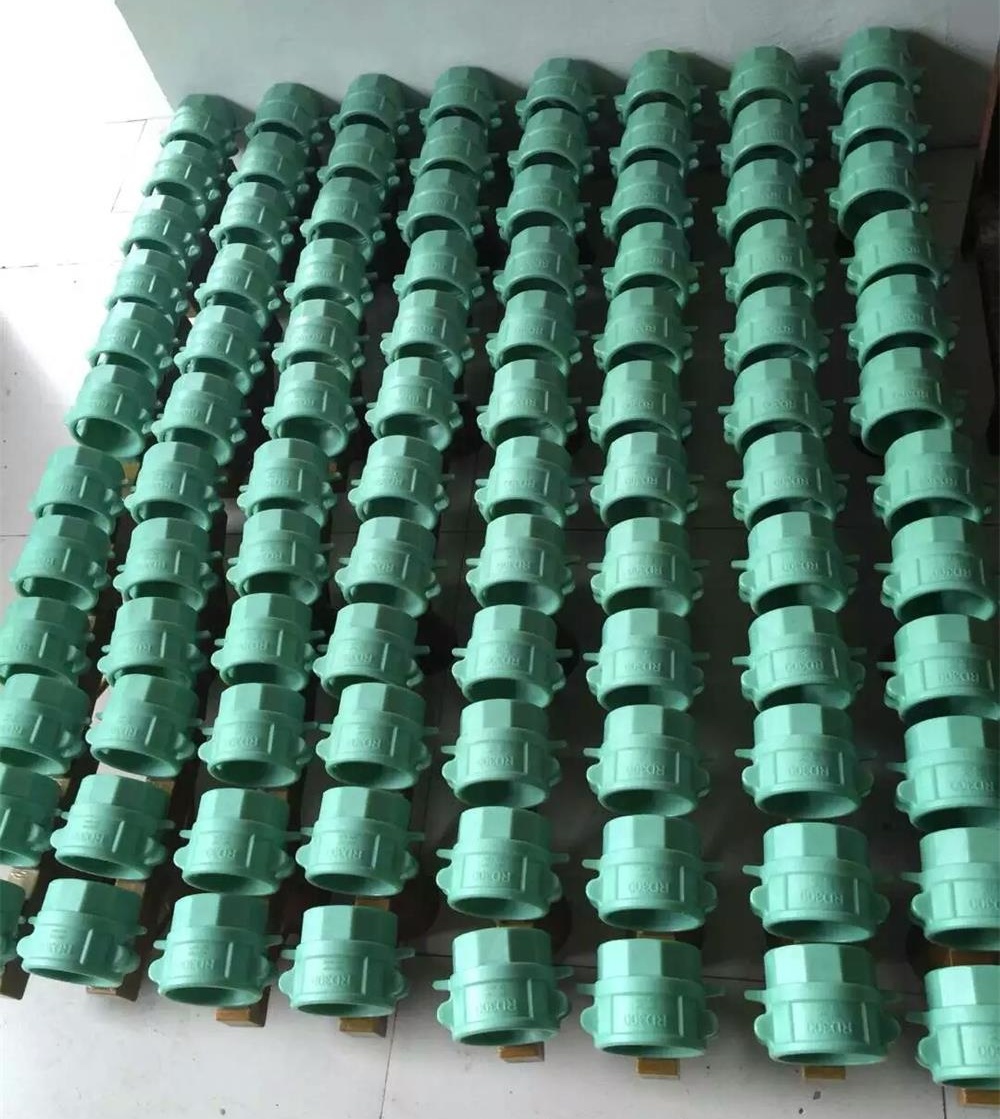
- Wax Pattern Production
Injection of wax into metal dies to replicate the final part. Ensures high dimensional accuracy and consistency.
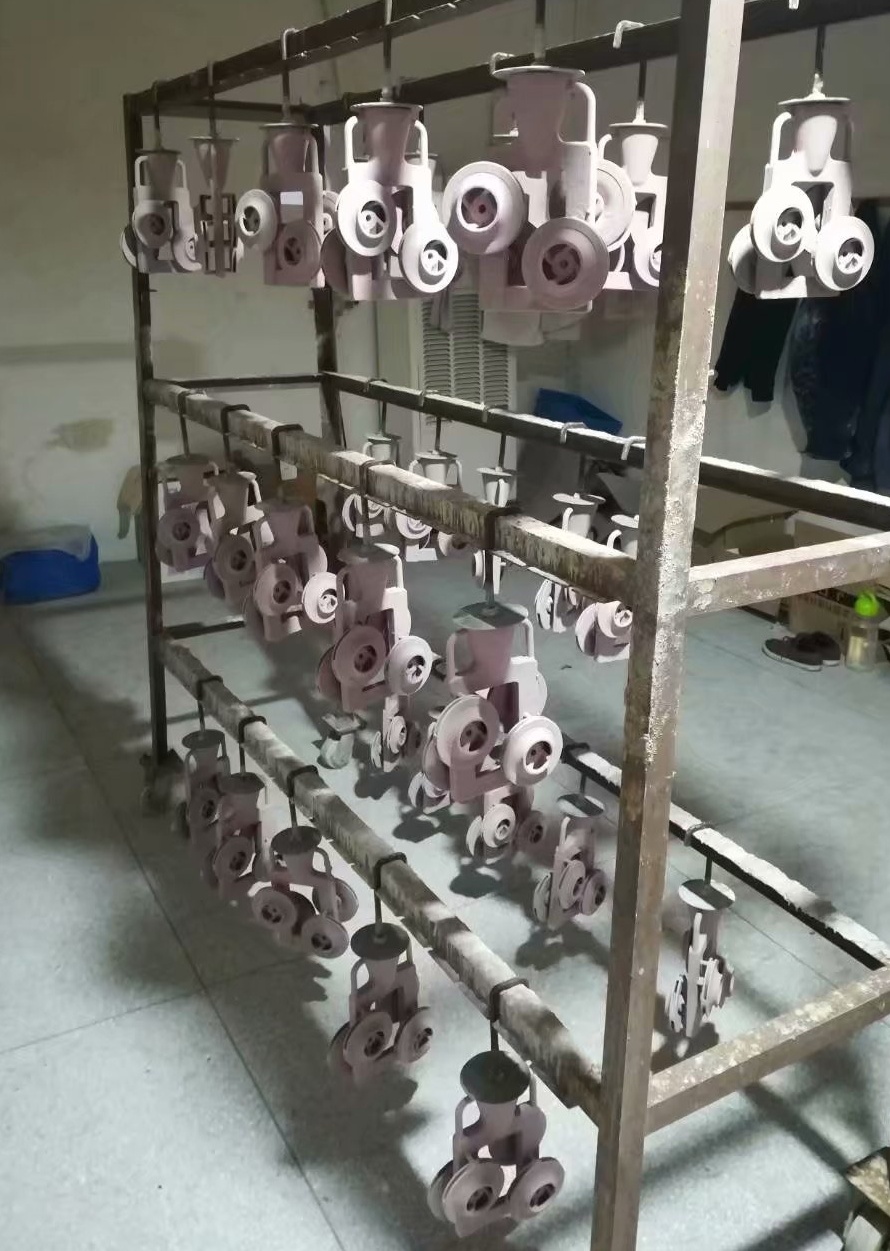
- Assembly (Wax Tree)
Multiple patterns assembled to improve efficiency. Allows efficient batch production.
- Ceramic Shell Building
Coating with refractory materials to form a mold. Creates a strong and heat-resistant ceramic mold.
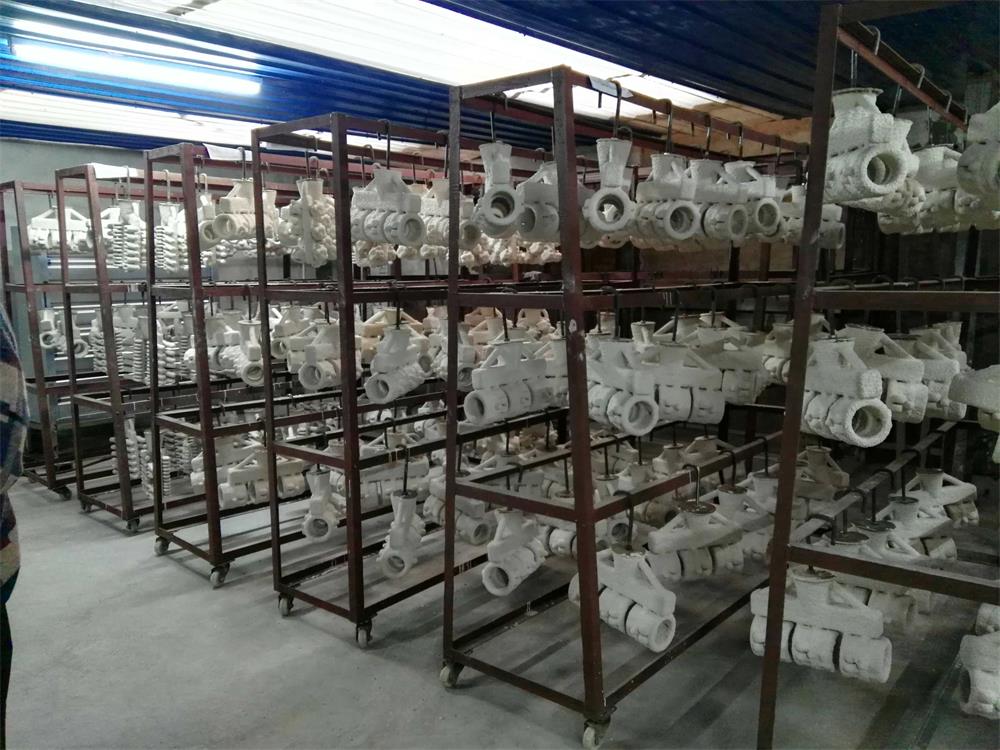
Each layer of ceramic shell is carefully coated and dried to ensure strength and dimensional stability before pouring.
- Dewaxing & Burnout
Wax is melted out, leaving a hollow cavity, which removes wax completely strengthens the mold. - Metal Pouring
Molten metal is poured into the mold, fills every detail of the mold. Molten metal is poured into the preheated ceramic shell to form the final casting. - Finishing & Machining
Cutting, polishing, CNC machining if required. Final parts meet strict tolerance and surface requirements.
Each step in the investment casting process is carefully controlled to ensure consistency and quality. You can also check our production process overview to understand how we manage complex manufacturing projects.
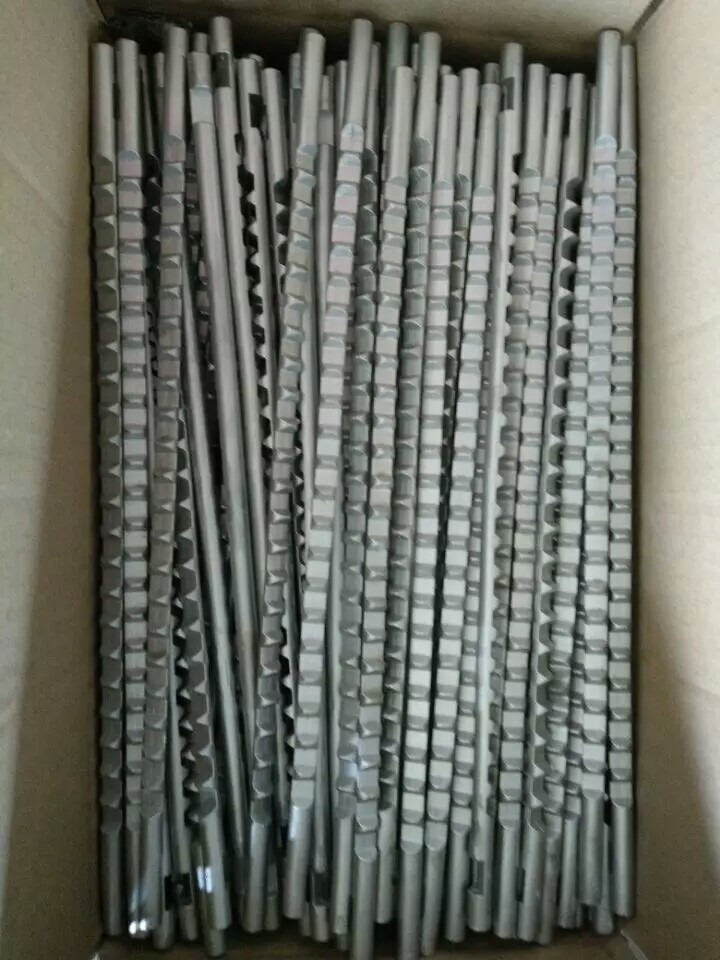
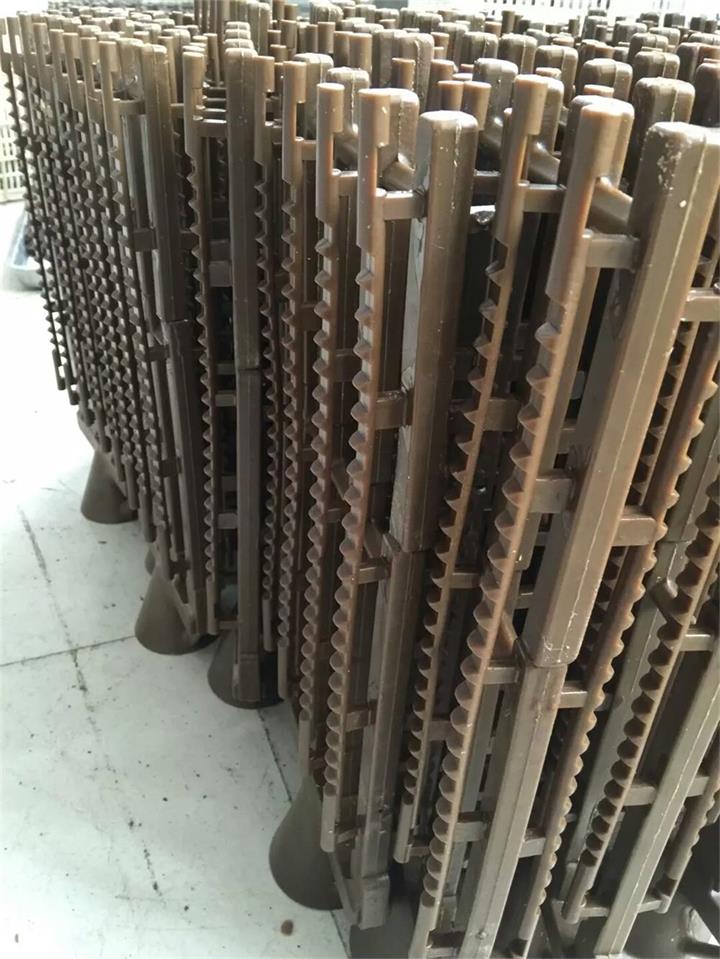
Precision investment casting ensures that the final metal parts accurately replicate the wax patterns, achieving tight tolerances and excellent surface finish.
For large-size or less complex parts, you may also consider sand casting as a more cost-effective option.
Materials
We provide precision investment casting for a wide range of materials:
- Stainless steel (304, 316, CF8, CF8M)
- Carbon steel (WCB, WCC)
- Alloy steel (4140, 4130, etc.)
- Bronze
We can also produce parts according to ASTM, DIN, and other international standards based on your drawings.
Different materials require different casting and machining processes. For example, bronze components are often produced using centrifugal casting combined with machining for better performance.
Our Factory
We are a professional manufacturer specializing in precision investment casting (lost wax casting) for stainless steel, carbon steel, and alloy steel parts.
Our production facility is located in Jiangsu, China, with a total area of over 35,000 square meters. We have an experienced team including engineers and quality control specialists to ensure stable and reliable production.
We support a wide range of custom manufacturing processes beyond casting. You can explore more of our industrial projects to see how we help global clients solve complex engineering challenges.
Production Capacity & Capabilities
Our factory has an annual production capacity of over 2,500 tons of cast parts.
We provide:
- Precision investment casting
- CNC machining
- Surface finishing
We support OEM production based on drawings or samples.
Casting Processes Available
We offer multiple casting processes to meet different requirements:
- Silica sol investment casting (high precision)
- Water glass casting (cost-effective solution)
- Combined casting processes
Precision & Tolerance Control
We provide high-precision investment casting with:
- Tight tolerances up to CT5–CT7
- Smooth surface finish for reduced machining
- Stable quality for complex parts
Additional CNC machining is available for critical dimensions.
Export Experience
Our products are exported to Europe, North America, and other international markets, serving long-term industrial customers.
Quality Control
We ensure consistent quality through a complete set of inspection and testing equipment.
Our testing capabilities include:
- Chemical composition analysis (Spectrometer)
- Mechanical property testing (Tensile strength, hardness)
- Dimensional inspection (CMM / precision gauges)
- Non-destructive testing (if required)
- Surface and visual inspection
All parts can be inspected according to international standards such as ASTM, DIN, or ISO.
Why Work With Us?
- OEM production based on drawings or samples
- Strong experience in export markets
- Stable quality with long-term partner factories
- Flexible production for small to medium batch orders
- Integrated machining and surface finishing support
Get a Quote for Your Project
Looking for a reliable investment casting supplier?
Send us your drawings or specifications — our engineering team will recommend the most suitable process and provide a competitive quote within 24 hours.


