General of Project
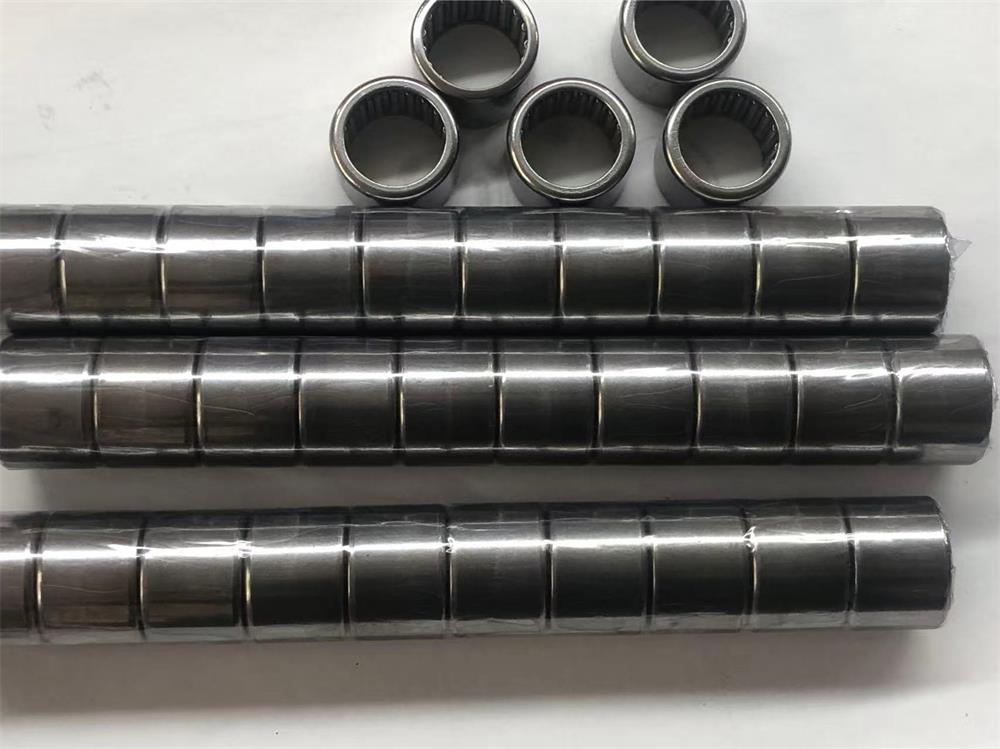
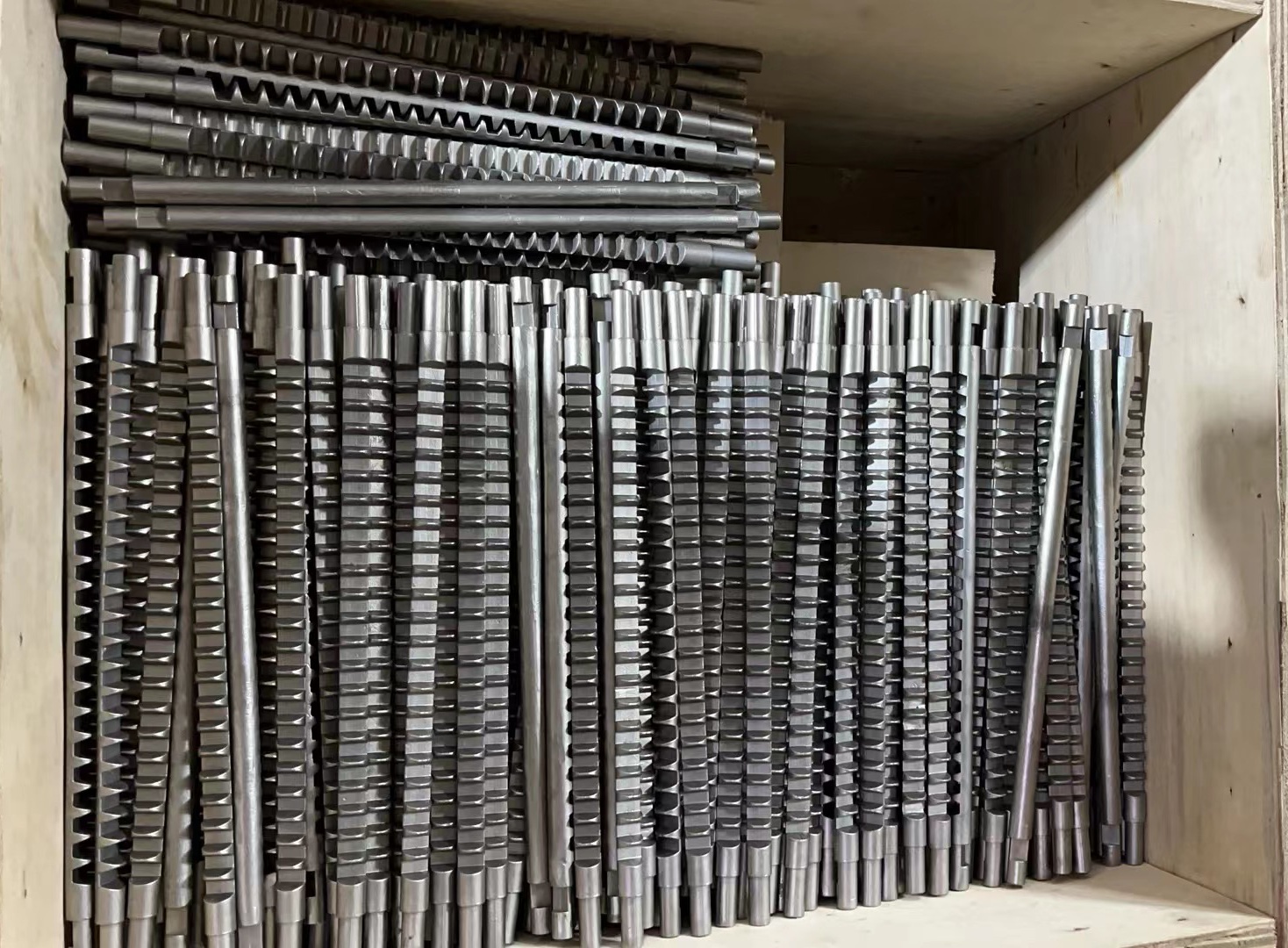
It is a repeated order project, we developed two specifications for our clients. The diameter is 12mm and 14mm respectively.
Supplied for an industrial machinery project in Thailand.
Precision Casting Teeth Bar for Industrial Machinery
This project involves the manufacturing of a custom teeth bar produced through the precision investment casting process. Teeth bars, also known as gear racks, are commonly used in mechanical transmission systems to convert rotational motion into linear motion.
The precision casting process allows the production of complex shapes with good dimensional accuracy, making it suitable for mechanical components such as gear racks and transmission parts.
These cast teeth bars are manufactured according to client drawings and specifications to ensure reliable mechanical performance in industrial machinery applications.
Yutung Industrial provides customized investment casting solutions for mechanical components including gear racks, transmission parts, and other precision metal components.
Stainless Steel SCH13
Material


Process
This teeth bar is made by a foundry casting process -precision investment casting. We are good at stainless steel foundry casting. This is our referral link: https://ytcasting.com/metal-casting-process/precision-investment-casting/
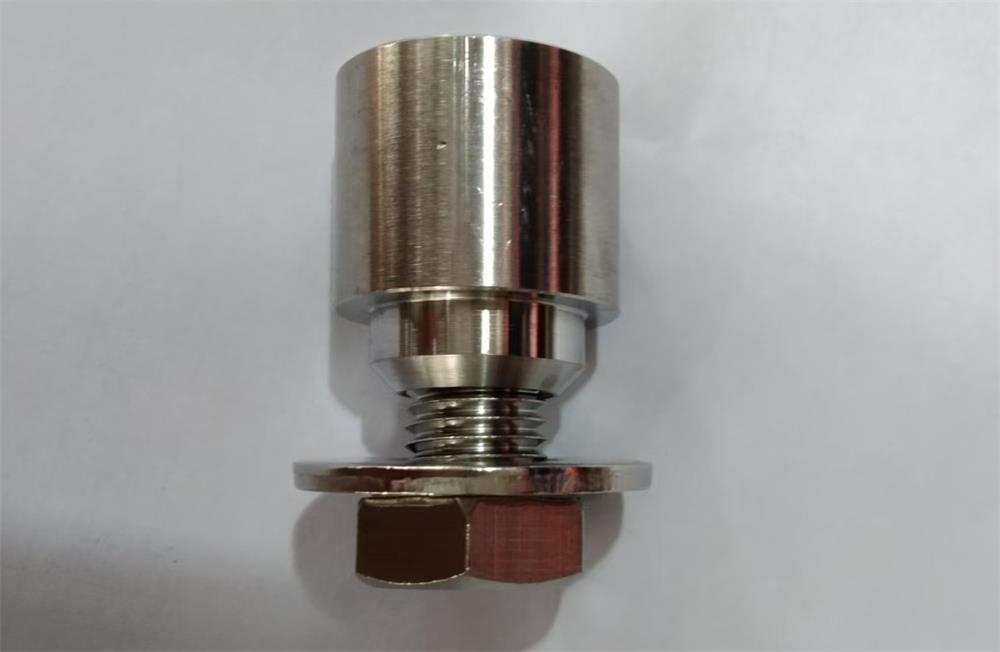
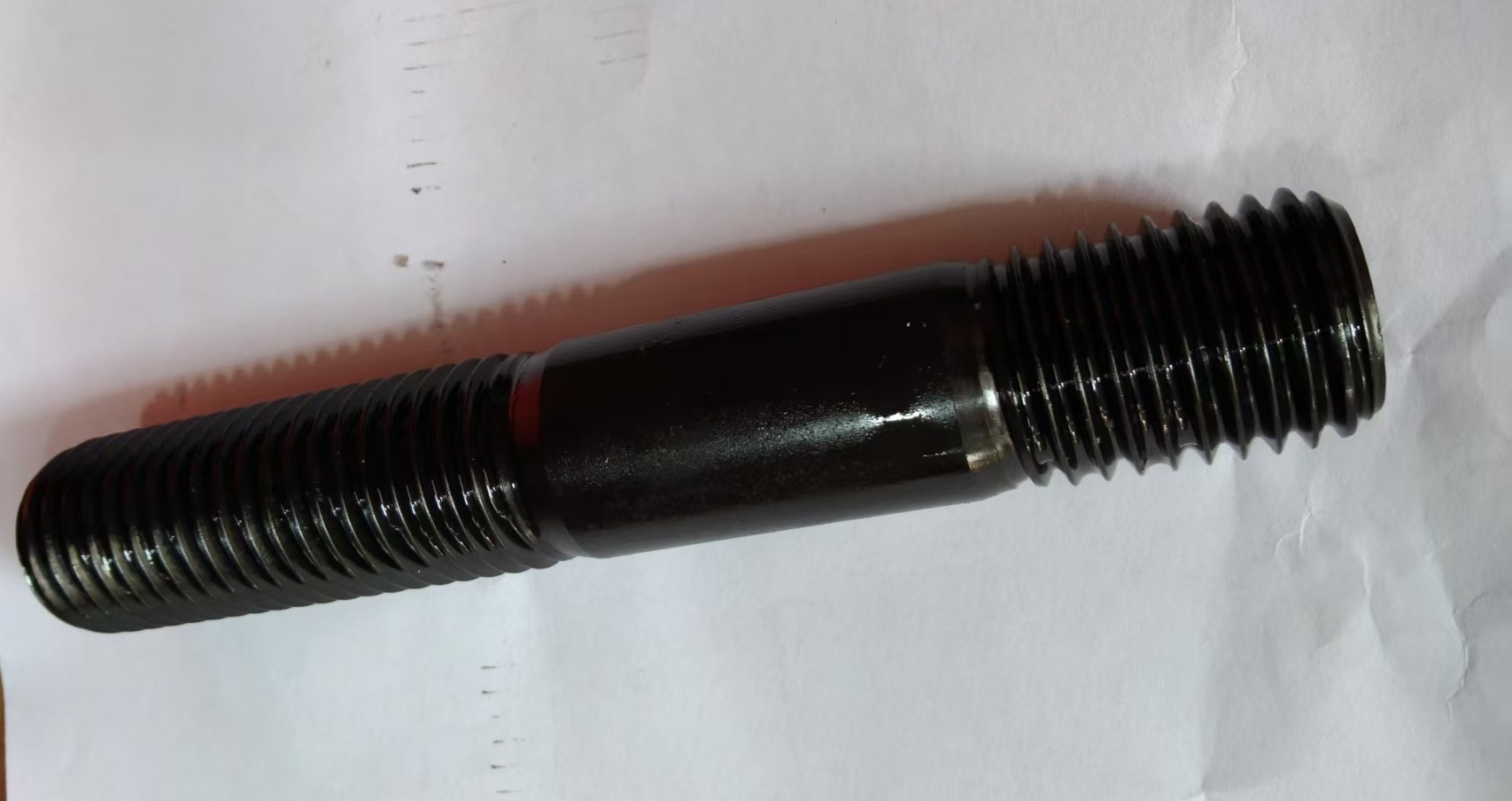
Our precision investment casting is also called silica sol casting. The surface finishing is RA3.2-6.3. You can find from the picture, how the beauty of our products surfaces.
Application
Actually, we don’t care about where the product will be used for.
We customize the foundry casting components on clients’ drawings (design).
How to order from us? You can refer to the procedures on every product/service page.
About Us
You can find our company including the equipment, engineer, clients visiting and exhibition information here.
*What is silica sol casting?
Silica sol casting, also known as investment casting or precision casting, is a casting process that uses a silica-based binder, known as silica sol, to create intricate and detailed metal parts. It is a foundry technique that allows for the production of complex shapes with high dimensional accuracy and a smooth surface finish.
The process begins with the creation of a pattern, usually made from wax or similar material, that resembles the final desired shape of the metal part. The pattern is then coated with multiple layers of a ceramic material, often referred to as the investment or shell, which is formed by dipping the pattern into a slurry and then coating it with fine sand or refractory material. This shell is allowed to dry and harden.
Once the shell is ready, it is heated to remove the wax pattern, leaving behind a cavity that matches the shape of the desired part. The shell is then preheated to a specific temperature to improve its strength and remove any remaining moisture.
Molten metal, such as stainless steel, aluminium, or bronze, is poured into the cavity created by the shell. The molten metal fills the void, forming the desired shape. After the metal has solidified and cooled, the ceramic shell is removed, either by vibration, sandblasting, or chemical removal, revealing the final metal casting.
Silica sol casting is favoured for its ability to create intricate and detailed parts with excellent surface finishes. It is commonly used in the production of components for industries such as aerospace, automotive, jewellery, and art. The process allows for the manufacturing of complex geometries, thin-walled sections, and parts with undercuts that would be difficult to achieve through other casting methods.
Overall, silica sol casting offers a versatile and precise method for producing high-quality metal parts that meet strict dimensional requirements and exhibit fine surface details.
Video – Precision Investment Casting by Silica Sol
For a complete overview of casting technologies, read our Metal Casting Process Guide.