


What is Electrophoresis Coating
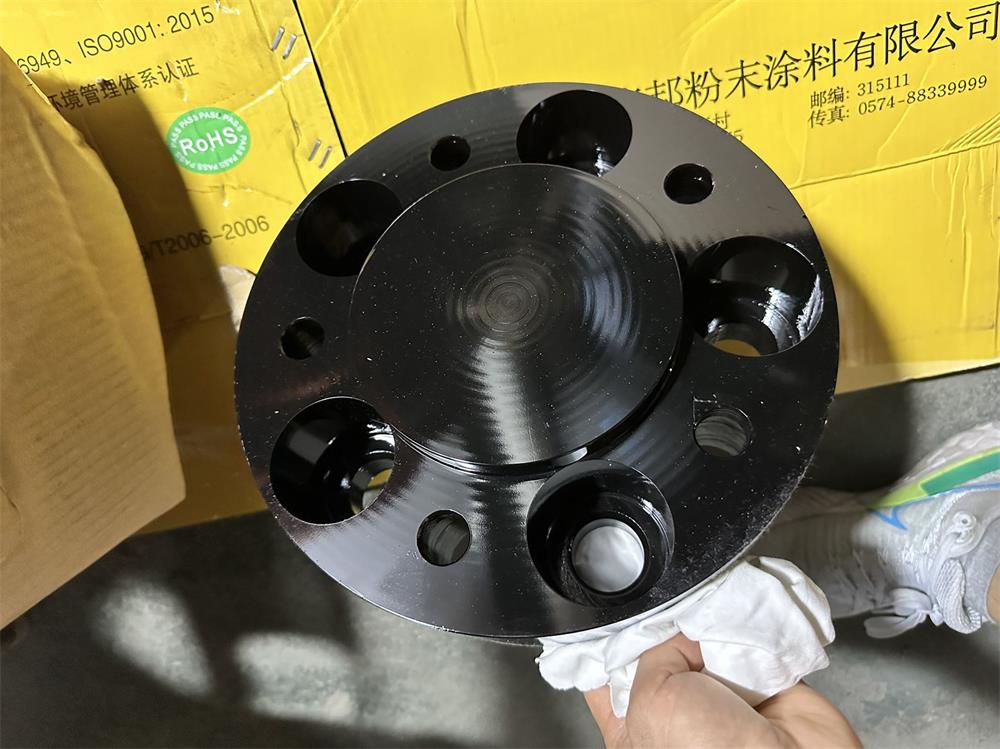
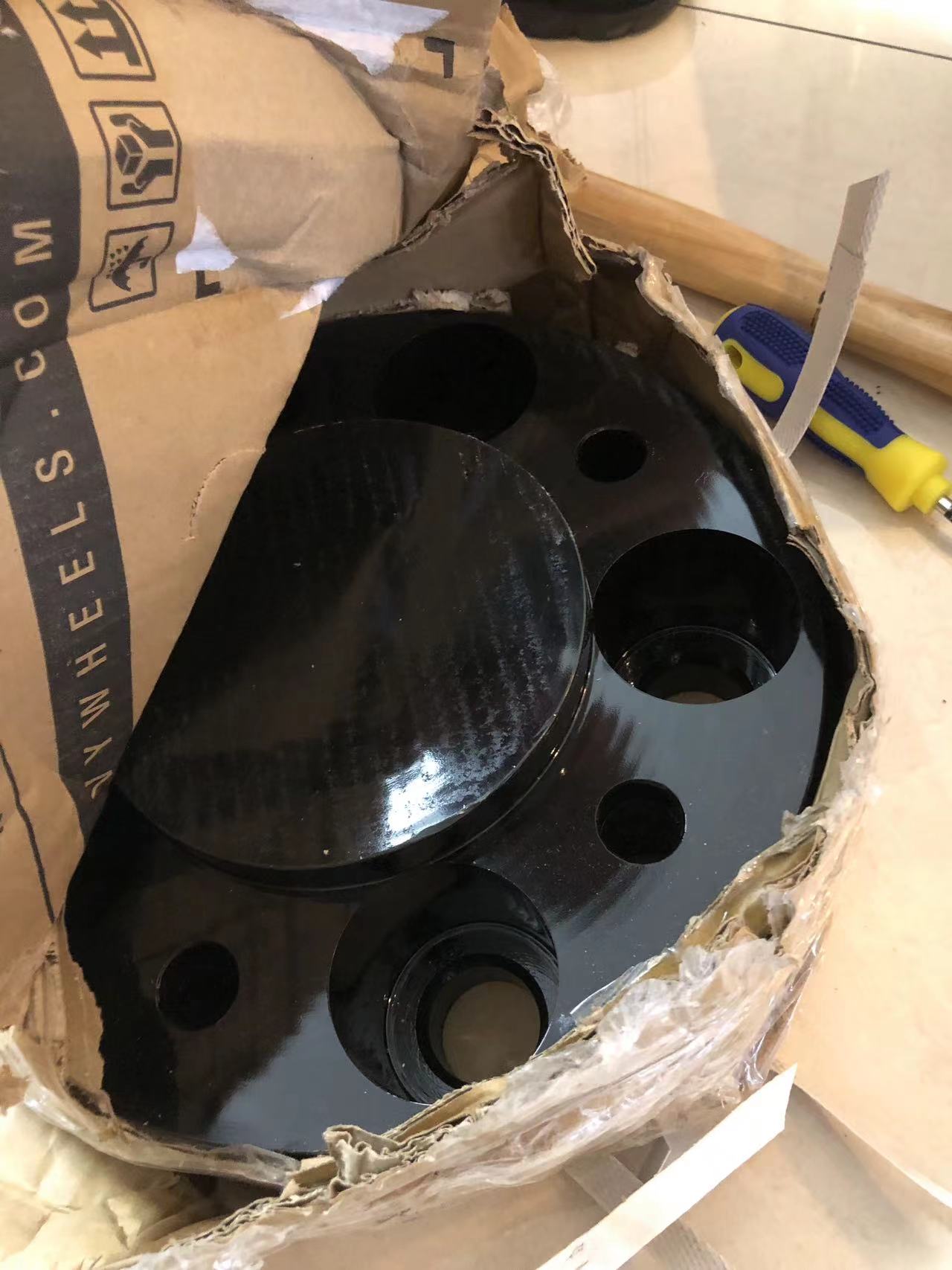
Electrophoresis coating, also known as E-coat or electrophoretic deposition, is a surface finishing process in which electrically charged paint or resin particles are deposited onto a metal surface using an electric field.
The workpiece is immersed in a water-based coating bath, and an electrical current causes the coating particles to migrate and form a uniform film on the metal surface.
Electrophoresis coating is widely used in automotive parts, appliances, and industrial equipment because it provides excellent corrosion resistance and uniform coating coverage.
What is Electroplating
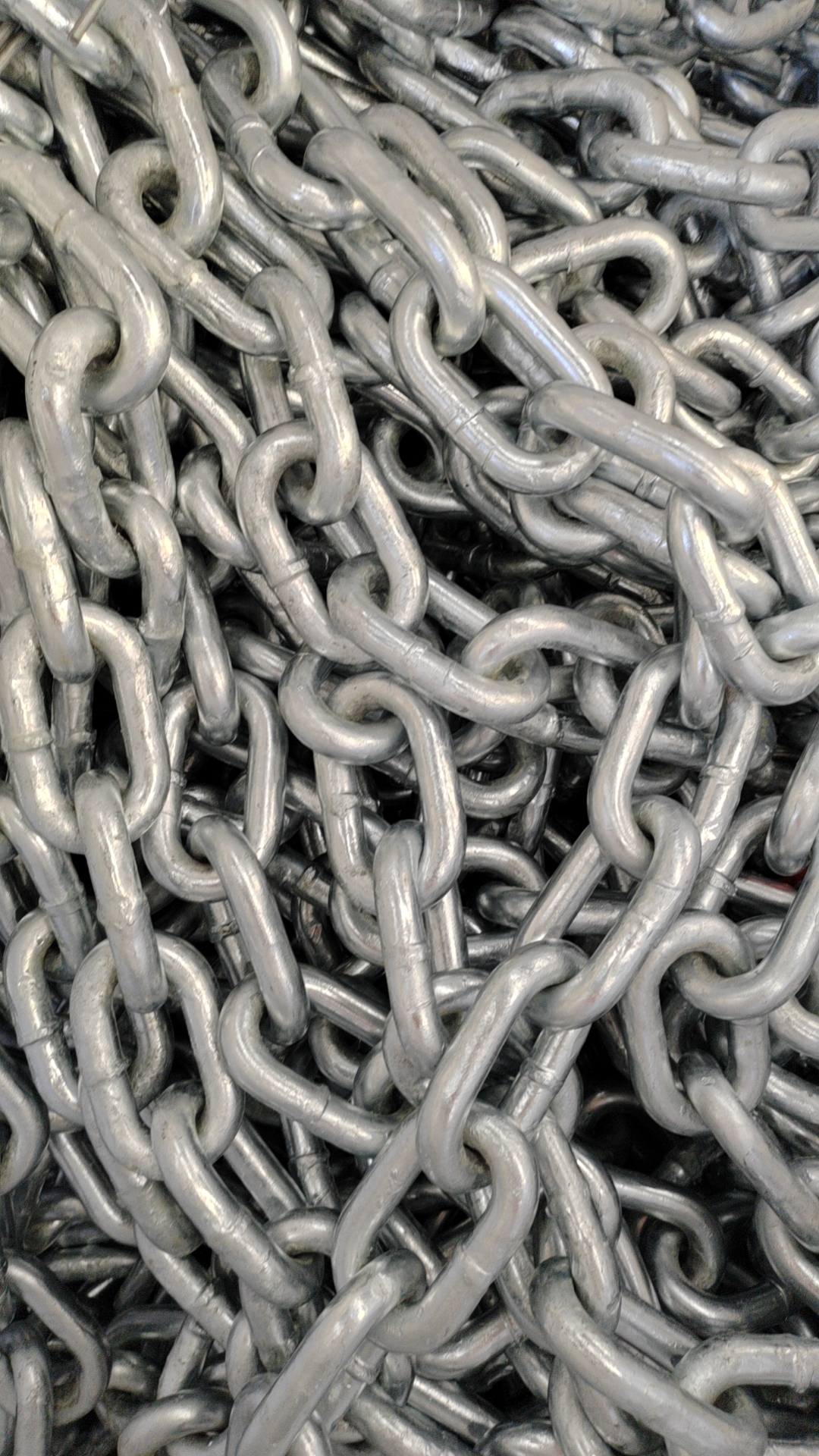
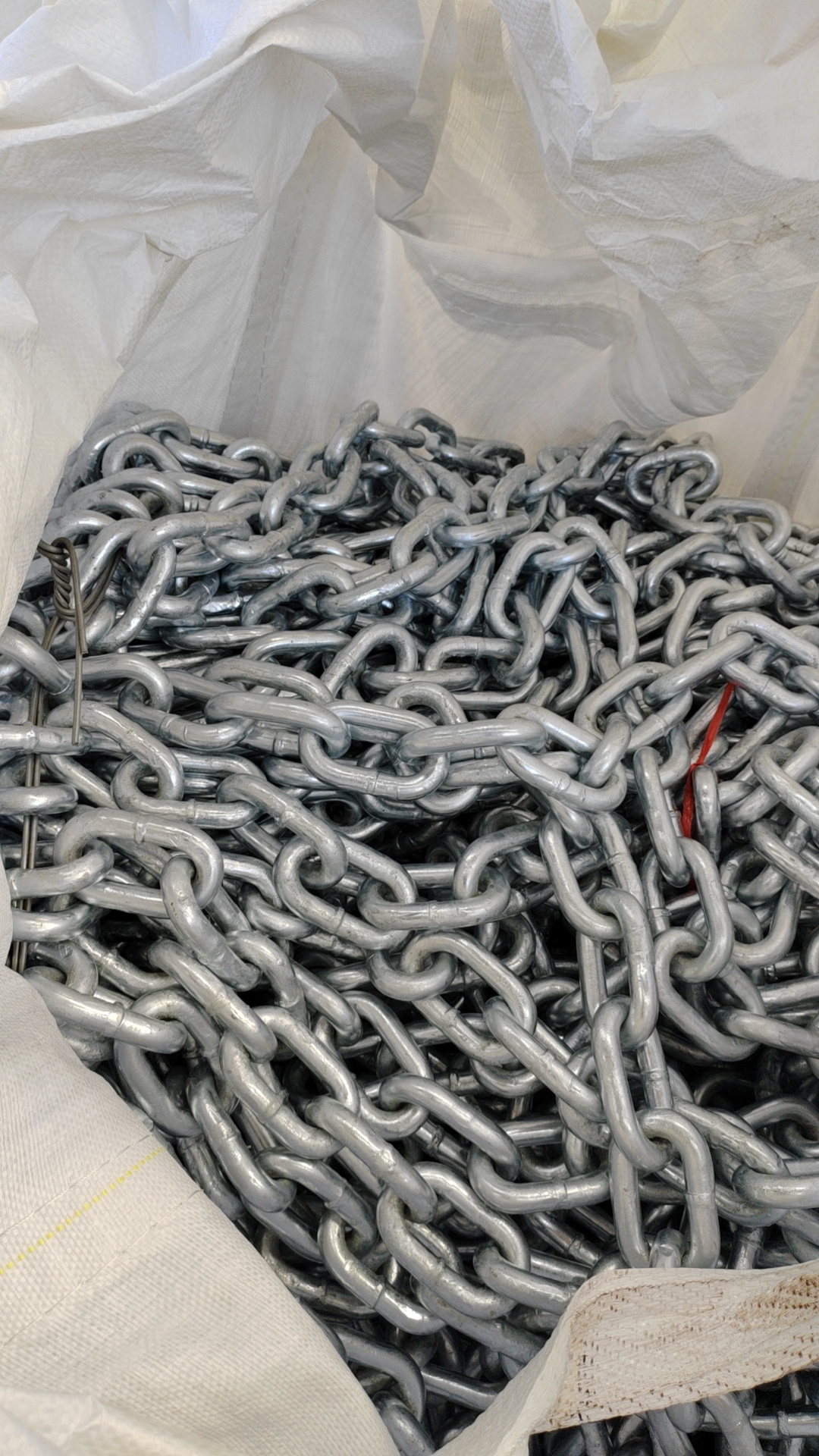
Electroplating is a process that deposits a thin layer of metal onto a substrate using electrolysis. During the process, metal ions in an electrolyte solution are reduced and deposited onto the surface of the workpiece to form a protective metal coating.
Common electroplated metals include:
- Zinc
- Nickel
- Chrome
- Copper
Electroplating is widely used to improve corrosion resistance, wear resistance, electrical conductivity, and surface appearance.
Key Differences Between Electrophoresis and Electroplating
| Feature | Electrophoresis Coating | Electroplating |
|---|---|---|
| Coating material | Paint / resin | Metal |
| Process | Electrical deposition of coating particles | Electrochemical metal deposition |
| Surface appearance | Matte or semi-gloss coating | Metallic finish |
| Coating thickness | Thin and uniform | Usually thicker |
| Coverage | Excellent for complex shapes | May be uneven on complex parts |
| Cost | Generally lower | Often higher |
Electrophoretic coatings typically provide more uniform coverage on complex geometries, while electroplating is often preferred when a metallic surface finish or higher wear resistance is required.
Electrophoresis vs Electroplating vs Powder Coating
Many industrial components use different surface treatment technologies depending on corrosion protection requirements, appearance, and cost. Besides electrophoresis coating and electroplating, powder coating is also widely used for metal parts.
The following table compares these three common finishing processes.
| Feature | Electrophoresis (E-coat) | Electroplating | Powder Coating |
|---|
| Coating material | Paint / resin | Metal (zinc, nickel, chrome) | Powder polymer |
| Process type | Electrical deposition of coating particles | Electrochemical metal deposition | Electrostatic powder spraying |
| Surface finish | Smooth coating | Metallic finish | Thick colored coating |
| Corrosion resistance | Very good | Good | Very good |
| Coverage ability | Excellent for complex shapes | Moderate | Good |
| Typical thickness | 10–30 μm | 5–25 μm | 60–120 μm |
| Typical applications | Automotive parts, industrial components | Fasteners, hardware, electronics | Outdoor equipment, furniture |
Powder coating is another widely used surface finishing process for metal parts. In this process, dry powder particles are electrostatically sprayed onto a metal surface and then cured under heat to form a durable coating layer.
Compared with electrophoresis coating, powder coating generally produces a thicker and more decorative finish. However, electrophoresis coating provides better coverage in recessed areas and complex geometries.
Advantages of Each Process
Electrophoresis Coating
Electrophoresis coating forms a paint or resin film on conductive metal surfaces through an electric field. It is especially useful when uniform coating coverage is required on complex parts, recessed areas, and internal surfaces.
The final appearance is normally painted rather than metallic, and the available colour, gloss, film thickness, and corrosion performance depend on the selected coating system and curing process.
Electroplating
Electroplating deposits a metallic layer such as zinc, nickel, chromium, or copper onto the workpiece. The plated layer may improve corrosion resistance, wear resistance, conductivity, appearance, or other functional properties depending on the selected metal and coating specification.
Coverage and thickness distribution can vary on complex geometries, recessed areas, edges, and internal surfaces, so part design and plating-process control are important.
Therefore, the industrial aluminum profile electrophoresis process has more advantages in paint film coverage than the electroplating process. The electrophoretic coating can completely cover hidden areas, such as inner walls and depressions, while electroplating generally cannot deepen hidden areas.
Electrophoresis can only act on conductive metal surfaces. In addition to metal surfaces, electroplating can also be electroplated on specially treated plastics.
Cost Comparison of Electroplating and Electrophoresis
Cost Comparison of Electroplating and Electrophoresis
The cost of electrophoresis coating and electroplating depends on the part size, geometry, coating material, film thickness, pretreatment, production quantity, corrosion-resistance requirement, wastewater treatment, and inspection scope.
Electrophoresis may be economical for large production batches requiring uniform painted coverage, while electroplating costs vary considerably according to the deposited metal and coating specification. The final comparison should therefore be based on the actual drawing and technical requirements.
Environmental Considerations
Electrophoretic coating systems are commonly water-based and can achieve high coating-material utilization, although pretreatment chemicals, bath maintenance, curing energy, and wastewater still require proper control.
Electroplating wastewater may contain metal ions and other process chemicals depending on the plating system used. Both processes require suitable environmental controls, wastewater treatment, and compliance with applicable regulations.
Typical Applications
Electrophoresis coating is commonly used in:
- Automotive components
- Agricultural machinery
- Household appliances
- Metal furniture
Electroplating is widely used in:
- Fasteners and hardware
- Electronic components
- Decorative metal parts
- Industrial machinery components
Choosing the Right Surface Treatment
The choice between electrophoresis coating and electroplating depends on several factors, including corrosion protection requirements, appearance, cost, and production volume.
For custom shafts, washers, brackets, housings, fasteners, and other metal components requiring CNC machining, dimensional inspection, electrophoresis coating, electroplating, powder coating, or other surface treatments, explore our custom precision metal parts manufacturing capabilities.
Electrophoresis coating is often selected for large-scale industrial production because of its uniform coating and environmental advantages. Electroplating, on the other hand, is preferred when metallic properties such as conductivity or hardness are required.
When to Use Electrophoresis or Electroplating
Electrophoresis coating is often chosen when:
- Uniform coating is required on complex shapes
- High corrosion resistance is needed
- Large-scale industrial production is involved
Electroplating is typically preferred when:
- A metallic surface finish is required
- Electrical conductivity is important
- Decorative metal appearance is desired
If you are looking for custom metal components with specialized surface treatments such as electrophoresis coating or electroplating, our engineering team can help you select the most suitable manufacturing process.
👉 Contact us to discuss your project requirements.


