


Forging and casting are two of the most widely used manufacturing processes for metal parts. Choosing the right process can significantly affect the strength, cost, and performance of your product.
What Is Forging and Casting?
Forging and casting are two of the most widely used metal forming processes in industrial manufacturing.
Forging involves shaping metal under high pressure, which improves its strength and internal grain structure. Casting, on the other hand, involves pouring molten metal into a mold to create complex shapes.
Both processes are widely used, but they serve different purposes depending on the application.
Forging vs Casting – Key Differences
To better understand how these two processes differ, here is a quick comparison:
| Feature | Forging | Casting |
|---|---|---|
| Strength | Very high (refined grain structure) | Moderate |
| Fatigue Resistance | Excellent | Lower |
| Structural Complexity | Limited (simpler shapes) | Excellent (complex shapes possible) |
| Surface Finish | Requires machining | Better as-cast |
| Internal Defects | Minimal | Possible porosity |
| Production Cost | Higher for small batches | More cost-effective for complex parts |
| Lifecycle Cost | Lower in long-term (better durability) | Lower initial cost |
| Typical Applications | Shafts, gears, high-load parts | Valve bodies, housings, complex components |
In general, forging is preferred for high-strength applications, while casting is better suited for complex geometries.
When to Choose Forging
Forging is the ideal solution when strength and durability are critical.

Typical applications include:
- Shafts and transmission components
- Automotive parts requiring high load resistance
- High-strength fasteners
- Industrial components exposed to fatigue
We have supplied forged components for automotive and industrial applications, including shafts, flanges, and high-load parts.
Forging improves mechanical properties by refining and aligning the grain structure, resulting in higher strength and better fatigue resistance.

👉 You can explore our forging capabilities here:
https://ytcasting.com/forging-parts/
When to Choose Casting
Casting is more suitable when the part design is complex and requires flexibility in shape.
Typical applications include:
- Valve bodies and covers
- Pump housings
- Complex industrial components
- Parts requiring intricate internal structures
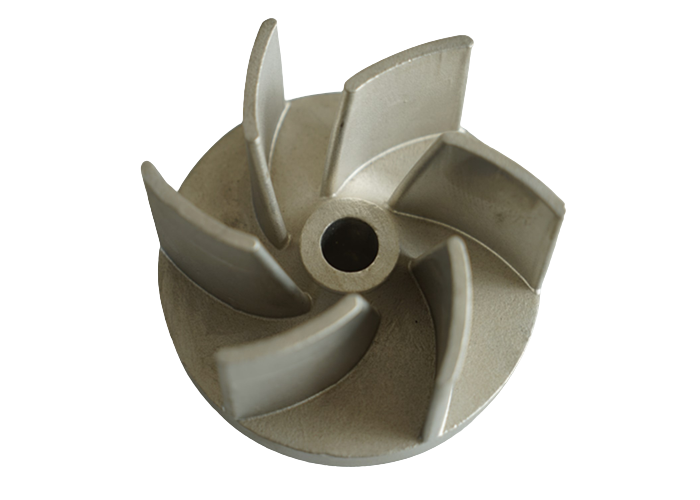
👉 Learn more about our casting services:
https://ytcasting.com/metal-casting-process/
How to Choose the Right Process
Choosing between forging and casting depends on several key factors:
- Strength and mechanical performance
- Complexity of the design
- Production volume
- Budget considerations
In many cases, our engineering team helps customers evaluate drawings and recommend the most suitable process to balance cost and performance.
For custom industrial components that may require forging, casting, CNC machining, heat treatment, surface finishing, or a combination of processes, explore our custom industrial parts manufacturing capabilities.
Conclusion
Forging and casting are both essential manufacturing processes, each with its own advantages.
If your part requires high strength and durability, forging is usually the better choice. If your design is complex and cost-sensitive, casting may be more suitable.
To compare our forging, casting, CNC machining, stamping, plastic moulding, extrusion, rubber processing, and other production options, review our complete custom manufacturing processes.
Request a Quote
If you have drawings or samples, feel free to contact us.
Send us your requirements, and we will recommend the most suitable manufacturing solution with a fast quotation.


