
Introduction
Selecting the right corrosion resistant bearing is not just about choosing a material.
It requires balancing environmental conditions, load requirements, and cost.
In this guide, we walk you through a simple step-by-step process to help you choose the most suitable solution for your application.
This step-by-step approach is based on real industrial applications where corrosion resistance and load performance must be balanced.
Step 1: Understand Your Working Environment
The first step is to evaluate the operating environment:
- Indoor or outdoor
- Humidity level
- Exposure to water, soil, or chemicals
- Temperature conditions
👉 General rule:
- Dry indoor → basic protection is enough
- Humid / outdoor → enhanced corrosion protection required
- Chemical / severe environment → high corrosion resistance needed
Step 2: Define Load and Performance Requirements
Bearings must meet mechanical performance requirements:
- Static load
- Dynamic load
- Wear resistance
- Service life expectations
👉 Important:
- Some corrosion-resistant materials (e.g., 304/316)
may reduce load capacity due to lower hardness
Step 3: Choose the Right Material or Coating
Option A: Zinc Plating (Basic Solution)
- Low cost
- Suitable for dry environments
- Limited corrosion resistance
Option B: Zinc-Nickel Coating (Balanced Solution ⭐)
- High corrosion resistance
- Suitable for outdoor and industrial environments
- Minimal impact on dimensions
👉 Learn more in our comparison guide:
👉 https://ytcasting.com/zinc-vs-zinc-nickel-vs-stainless-steel-bearings/
Option C: Stainless Steel (High Corrosion Resistance)
- 304 / 316 → excellent corrosion resistance, lower strength
- 440C → high hardness, suitable for load-bearing components
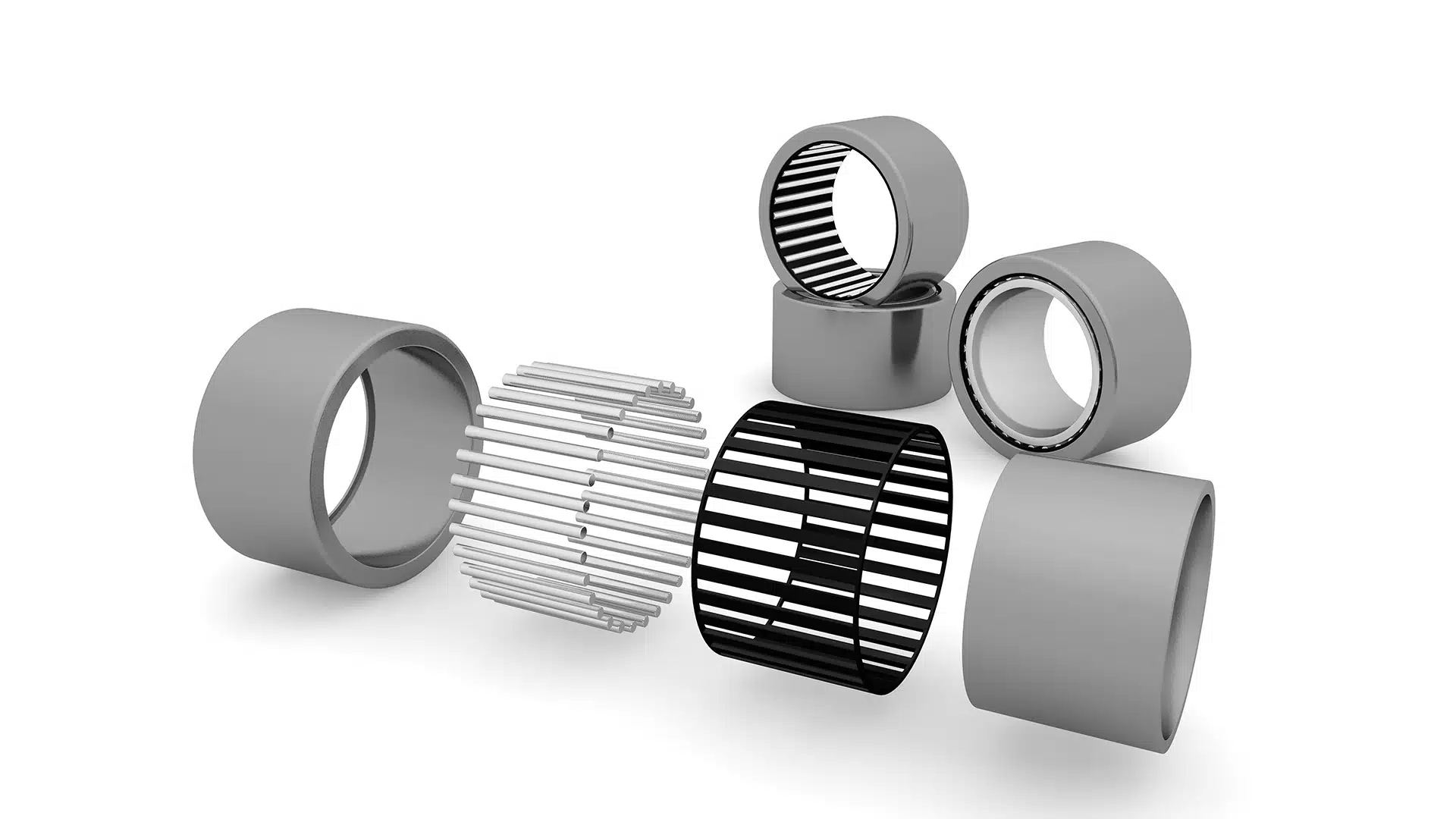
Step 4: Consider a Hybrid Solution (Best Practice ⭐)
In many real applications, a hybrid solution offers the best performance:
- Outer ring & cage → zinc-nickel coating
- Rollers → 440C stainless steel
👉 This approach ensures:
- Corrosion resistance
- High load capacity
- Long service life
This hybrid approach is widely used in real projects to achieve both corrosion resistance and mechanical reliability.
👉 See our real application example:
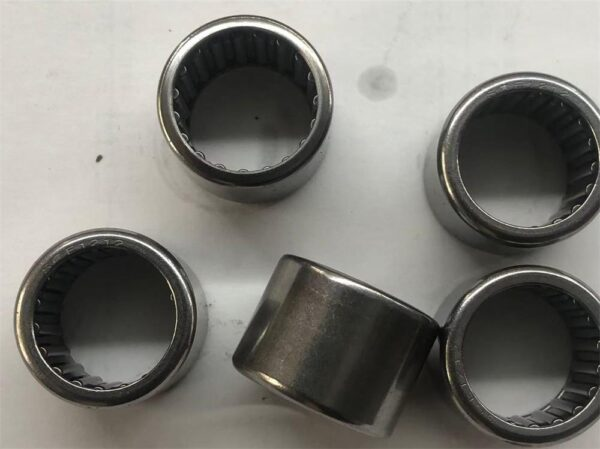
👉 https://ytcasting.com/corrosion-resistant-needle-bearing/
Step 5: Check Manufacturing and Tolerance Impact
Important factors:
- Coating thickness (typically 5–10 μm)
- Fit tolerance
- Assembly compatibility
👉 Always confirm:
- Whether coating affects assembly
- Whether tolerances need adjustment
Step 6: Balance Cost vs Performance
| Solution | Cost | Performance |
|---|---|---|
| Zinc plating | Low | Low |
| Zn-Ni coating | Medium | High |
| Stainless steel | High | Varies |
👉 Recommendation:
- Most industrial cases → Zn-Ni + 440C hybrid solution
Common Mistakes to Avoid
- Choosing stainless steel without checking load requirements
- Ignoring coating thickness impact
- Over-specifying (cost too high)
- Under-specifying (early failure)
Conclusion
Choosing the right corrosion resistant bearing is a balance between:
- Environment
- Performance
- Cost
By following a structured approach, you can select a solution that ensures long-term reliability and efficiency.
Not sure which bearing solution is right for your application?
Send us your drawing or requirements — we’ll recommend the best option.
We can also provide sample evaluation based on your application if needed.
👉 Email: sales@yutungindustrial.com
👉 Website: https://yutungindustrial.com