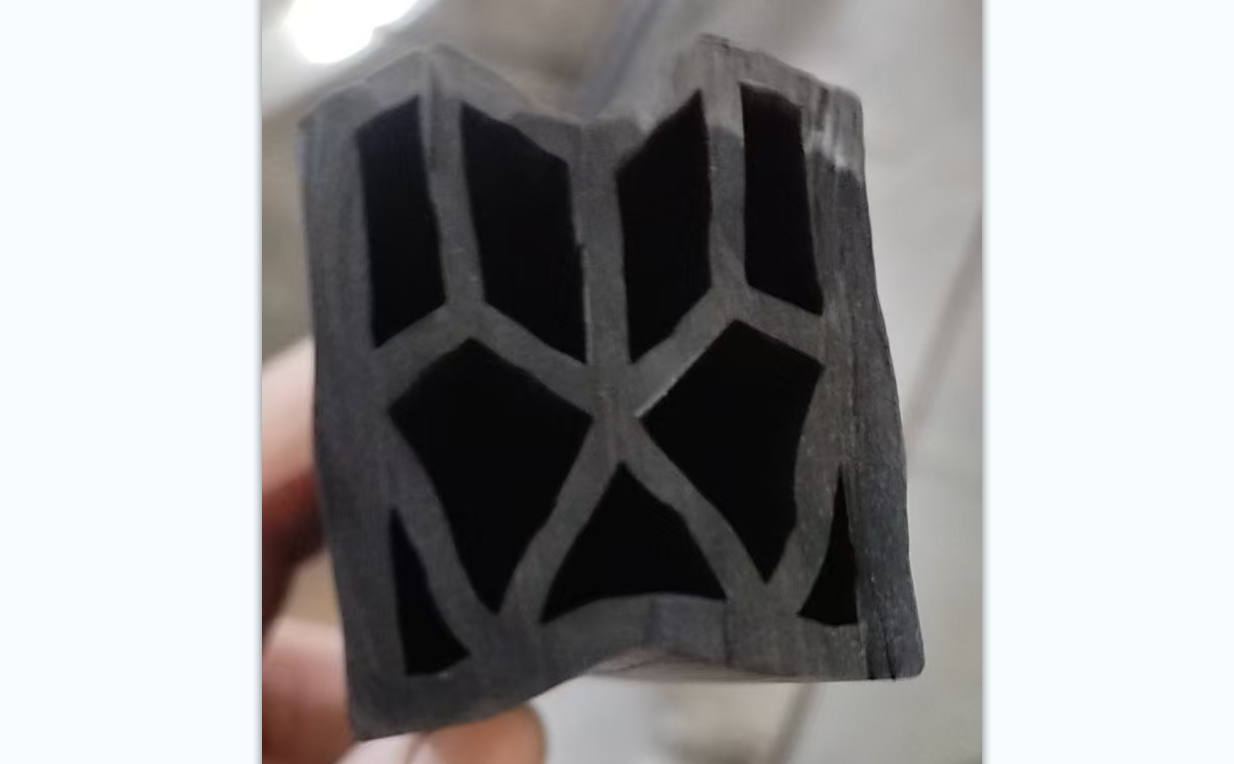

EPDM compression seals are widely used in bridge expansion joints, metro systems, and infrastructure sealing applications.
These seals are designed to absorb movement, resist weather exposure, and provide long-term sealing performance in demanding environments.
EPDM (Ethylene Propylene Diene Monomer) is a synthetic rubber known for its excellent resistance to UV, ozone, and temperature variations, making it ideal for outdoor applications.
In this article, we explain what EPDM compression seals are, how they are manufactured, and where they are commonly used.
What Is an EPDM Compression Seal?
An EPDM compression seal is a rubber sealing profile made from EPDM (Ethylene Propylene Diene Monomer) material. It is designed to be compressed between structural components to create a tight seal.
These seals are commonly used in applications where movement, vibration, or thermal expansion must be accommodated.
Why EPDM Material Is Used
EPDM is one of the most widely used rubber materials for outdoor and infrastructure applications due to its excellent properties:
- Outstanding weather resistance
- UV and ozone resistance
- Good elasticity and flexibility
- Wide temperature tolerance
These characteristics make EPDM an ideal choice for long-term sealing in outdoor environments.
Manufacturing Process of EPDM Compression Seals
Learn more about our EPDM profile extrusion capabilities for custom rubber seals.
This process allows continuous production of consistent profiles with precise dimensions and stable quality.
Key steps include:
- Material formulation and mixing
- Extrusion through customized dies
- Vulcanization
- Cutting and finishing
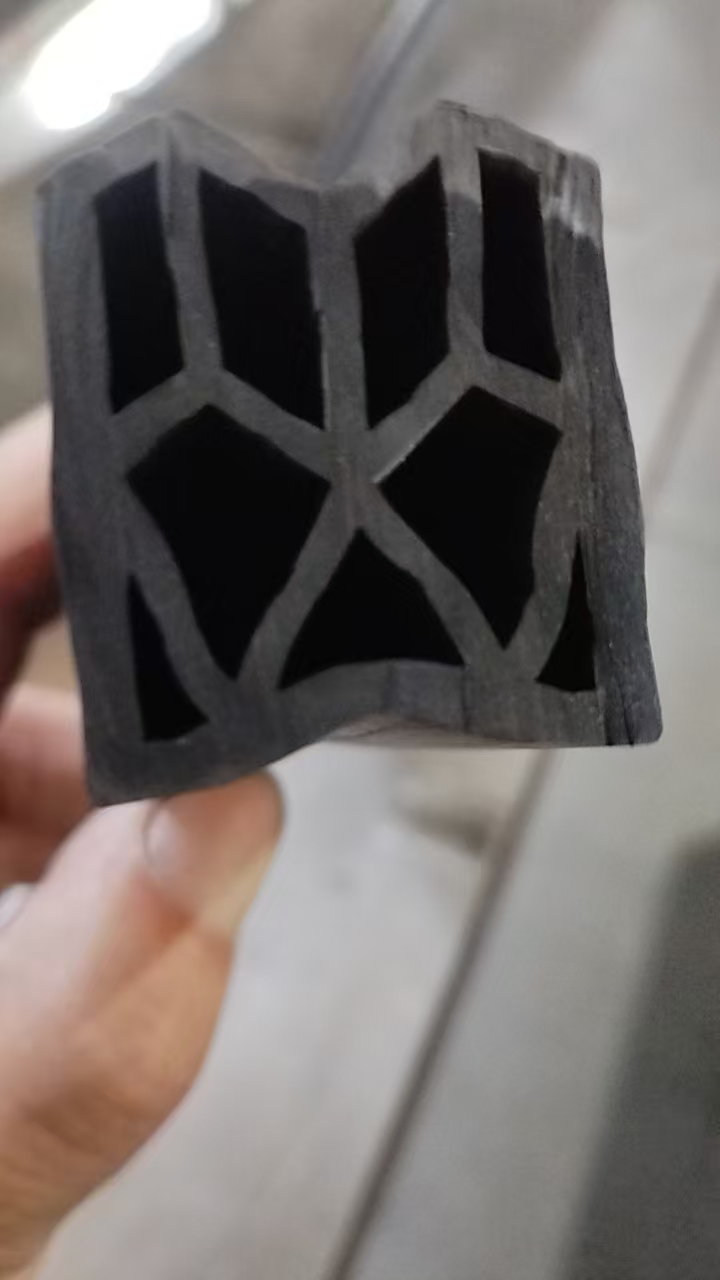
Learn more about our EPDM profile extrusion capabilities.
Applications of EPDM Compression Seals
EPDM compression seals are widely used in infrastructure and engineering projects, including:
- Bridge expansion joints
- Metro and railway systems
- Tunnel sealing systems
- Industrial equipment
These applications require materials that can handle constant movement, pressure, and environmental exposure.
You can also explore our Thailand EPDM compression seal project for a real application example.
Importance of Hardness Control
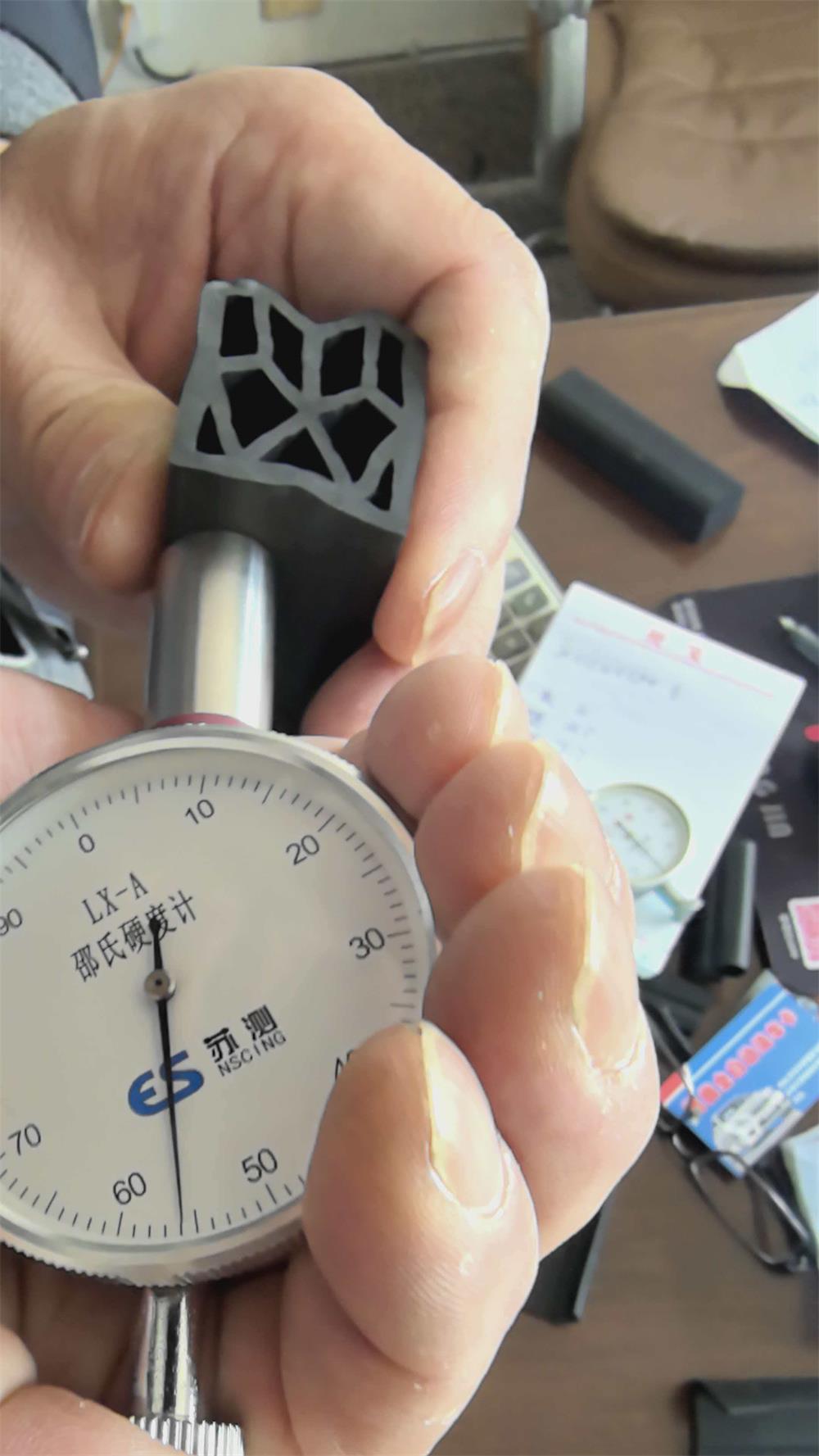
Hardness is one of the most critical parameters for compression seals.
If the seal is too soft, it may deform excessively and lose sealing performance. If it is too hard, it may not provide proper compression and sealing.
Therefore, hardness must be carefully controlled and verified during production to ensure optimal performance.
Conclusion
EPDM compression seals play a vital role in infrastructure and industrial sealing systems.
With proper material selection, precise extrusion, and strict quality control, these seals can deliver long-lasting performance even in demanding environments.
If you are looking for customized EPDM compression seals for your project, feel free to contact us for technical support and quotation.
Contact us for customized EPDM compression seal solutions for your project.