Control Foundry Sand Temperature to Reduce Cost, Improve Quality
Foundry sand temperature is a critical factor in sand casting operations. If the sand temperature is too high or too low, it can affect mold strength, binder performance and ultimately the quality of the final casting. Proper temperature control helps reduce casting defects, stabilize the molding process and lower overall production costs.
By adopting an innovative heat exchanger technology has been used in different industries, the metalcasting industry can solve some of the similar challenges they faced. Plate heat exchanger technology can increase efficiency and improve casting quality through precise sand temperature control.
Proper foundry sand temperature control in sand casting helps stabilize molding conditions and improve casting quality.
Why Foundry Sand Temperature Control Is Important
Controlling the temperature of molding sand helps maintain consistent molding conditions and improve casting quality. If the sand temperature becomes too high, binder reactions may occur too quickly, leading to reduced mold strength and dimensional instability.
In many foundries, maintaining sand temperature within an optimal range is necessary to avoid defects such as gas porosity, rough surfaces or dimensional inaccuracies.
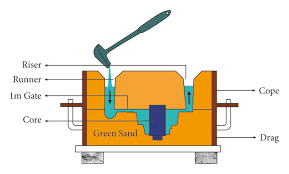
Maintaining proper sand temperature helps stabilize molding conditions and reduce casting defects.

Recommended Temperature Range for Foundry Sand
Typical molding sand temperature ranges include:
• Ideal temperature: 20°C – 27°C
• Acceptable range: 10°C – 40°C
If the sand temperature becomes too high, chemical binders may react too quickly. If it becomes too low, mixing performance may decrease and molding consistency may be affected.
Methods to Control Foundry Sand Temperature
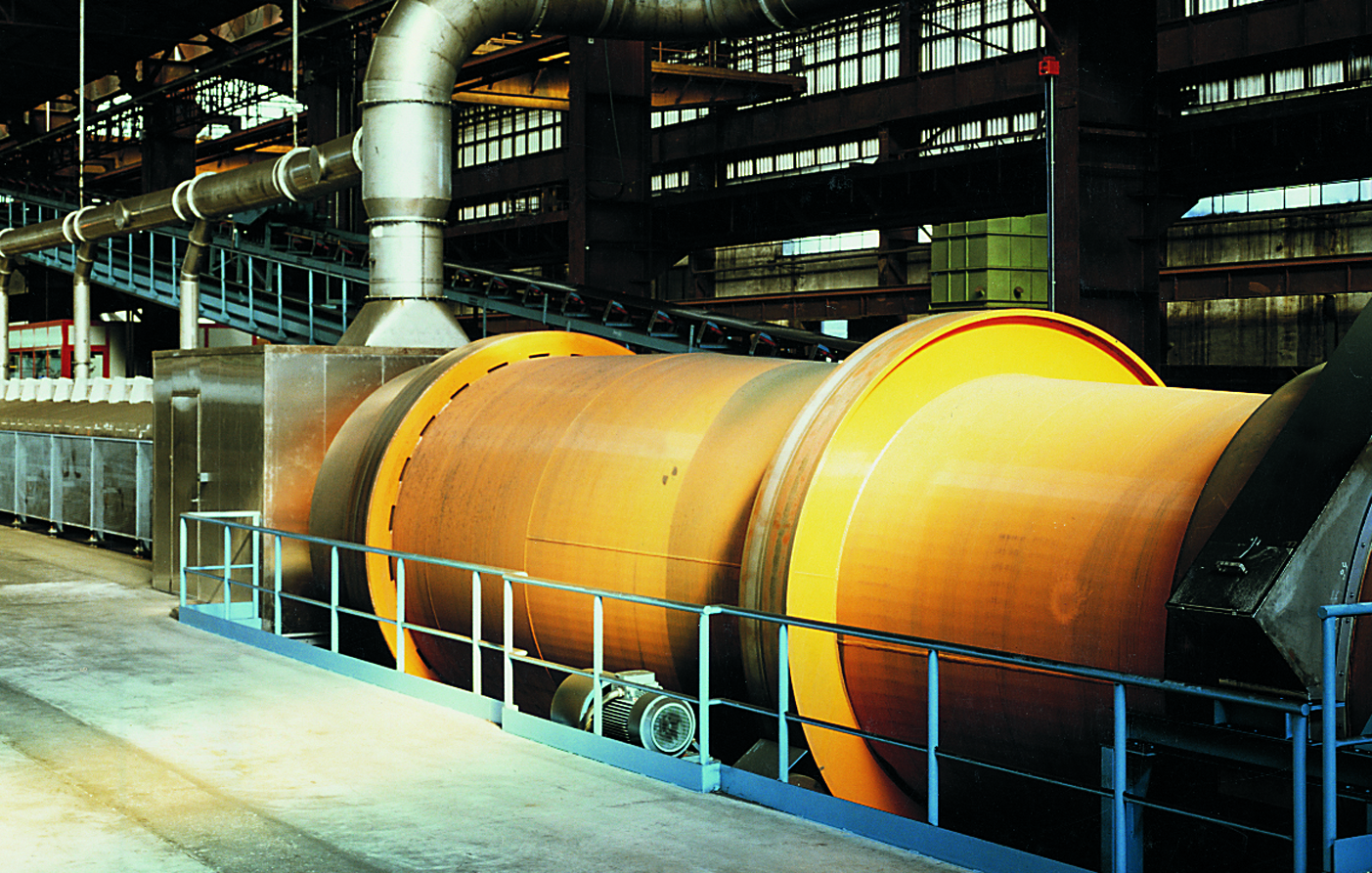
Foundries typically use several methods to control molding sand temperature:
• sand cooling systems
• heat exchangers for reclaimed sand
• blending hot return sand with cooler new sand
• controlled storage silos for natural cooling
Proper sand conditioning systems help stabilize sand properties, improve mold consistency and reduce casting scrap rates.
Casting Defects Caused by Incorrect Sand Temperature
Improper foundry sand temperature can lead to several casting defects and process instability. When the molding sand temperature becomes too high, binder reactions may occur too quickly, reducing mold strength and causing surface defects.
Common casting problems related to incorrect sand temperature include:
• gas porosity
• rough casting surface
• dimensional instability
• mold strength reduction
By maintaining a stable sand temperature during the molding process, foundries can significantly improve casting quality and reduce production scrap rates.
FAQ
What is the ideal temperature for foundry molding sand?
In many sand casting operations, the recommended molding sand temperature is typically between 20°C and 27°C. Maintaining this temperature range helps stabilize the molding process and improve casting quality.
If you would like to learn more about different metal casting processes used in industrial manufacturing, you can also read our complete guide:
https://ytcasting.com/metal-casting-guide/